


Introduction
Situated far to the north of mainland Scotland, the Shetland Islands are a remote and fascinating archipelago that offers visitors a unique blend of rugged landscapes, rich cultural heritage, and incredible wildlife. Known for their dramatic coastlines, historical sites, and distinct Norse influence, the Shetland Islands are often described as a world apart from the rest of Scotland. With more than 100 islands, only around 15 of which are inhabited, the Shetlands offer an idyllic escape for adventurers, history enthusiasts, and nature lovers alike.
In this blog, we will explore the many wonders of the Shetland Islands, from their stunning natural beauty and cultural history to the remarkable wildlife that calls the islands home. Whether you’re planning a visit or simply curious about this remote part of Scotland, join us as we take you on a journey through the Shetlands’ unparalleled landscapes and intriguing heritage.
1. The Rugged Beauty of Shetland’s Landscapes
Overview of Shetland’s Terrain
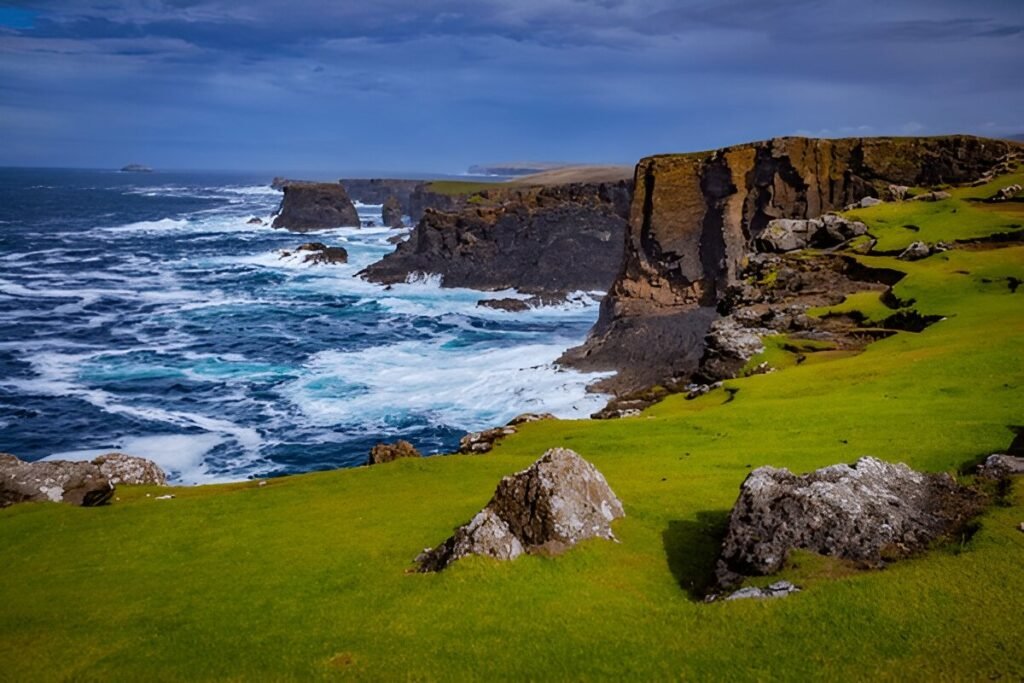
The Shetland Islands are known for their wild and rugged beauty, with cliffs, beaches, and hills providing a stunning backdrop to the surrounding sea. Unlike many other parts of Scotland, Shetland’s landscapes are shaped by the harsh northern weather, creating dramatic, windswept vistas that seem untouched by time. The islands are part of the Highlands and Islands group of Scotland but have their own distinct geological history and natural features.
Key Natural Features
- Cliffs and Coastal Areas: The Shetland coastline is one of the most dramatic in Scotland, with towering cliffs, sea caves, and rocky outcrops. Eshaness in the northwest is famous for its sea stacks and crashing waves, providing a perfect spot for photographers and nature lovers.
- Rolling Hills and Moorlands: The interior of Shetland is covered with rolling moorlands, heather-covered hills, and expansive peat bogs. These areas provide a peaceful and tranquil environment for hiking and walking.
- Islands and Beaches: The Shetlands are made up of numerous islands, each with its own unique charm. Unst, the northernmost inhabited island, features stunning beaches and the highest sea cliffs in the UK. St. Ninian’s Isle, with its beautiful white-sand beach and mysterious historical ruins, is a must-see.
Tip for Visiting: The Shetland Coastal Path is a fantastic way to experience the islands’ rugged coastline and natural beauty, with several sections providing views of seals, seabirds, and other wildlife.
Fun Fact
Shetland is home to the northernmost point of the British Isles, making it one of the most remote and unique places to visit in Scotland.
2. Rich Cultural Heritage and History
The Viking Influence
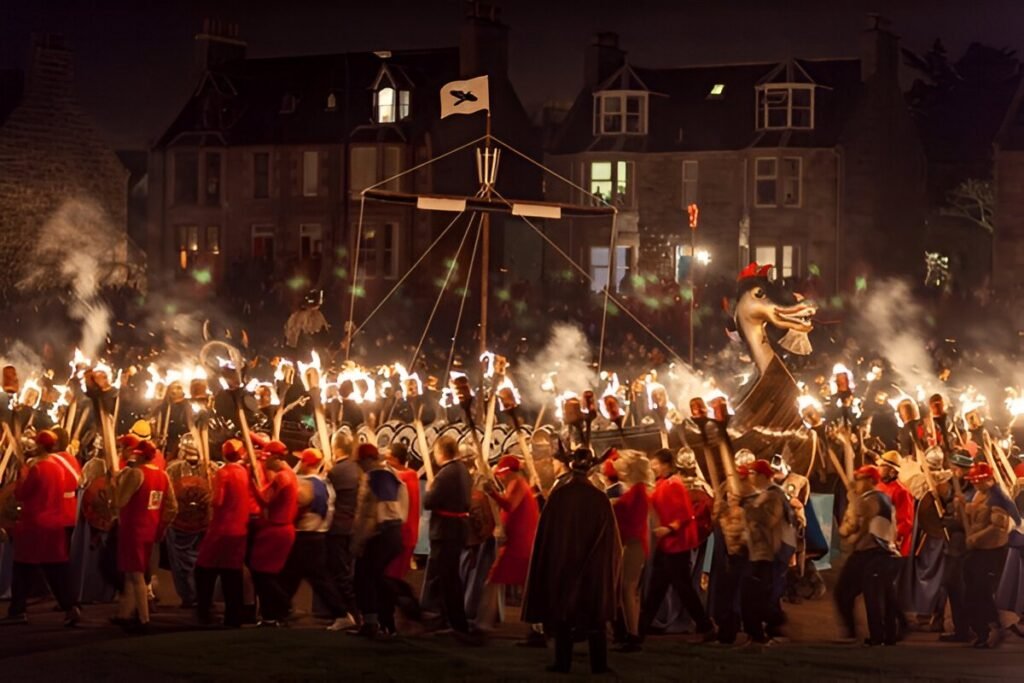
The Shetland Islands have a rich cultural history, heavily influenced by the Norse Vikings. For centuries, the islands were part of the Norse Kingdom of Orkney and Shetland, and traces of this Viking past can be found throughout the islands today. From place names to archaeological sites, the Vikings left an indelible mark on Shetland’s culture.
Notable Historical Sites
- Jarlshof: One of the most important archaeological sites in the Shetlands, Jarlshof is an ancient settlement that dates back over 4,000 years. The site reveals the remains of Neolithic, Bronze Age, Iron Age, and Viking structures, providing a fascinating glimpse into the island’s long history.
- Shetland Museum and Archives: Located in Lerwick, the Shetland Museum offers an in-depth look at the islands’ history, from prehistoric times to the present day. Visitors can learn about Shetland’s maritime heritage, Norse culture, and fishing history through exhibits and interactive displays.
- Scalloway Castle: Built in the 16th century by the Earl of Orkney, Scalloway Castle is a testament to Shetland’s history as a stronghold in the northern seas. The castle now serves as a museum, showcasing artifacts from the region’s past.
Tip for Visiting: While in Lerwick, the Shetland’s main town, take a walk through the narrow streets, lined with traditional stone-built houses, and visit the Clickimin Broch, an ancient tower fort.
Fun Fact
The Shetlands are known for their strong Viking heritage, and the Shetland Viking fire festival, known as Up Helly Aa, is one of the largest and most famous Viking festivals in the world, featuring torch-lit processions and stunning Viking ship parades.
3. Unique Wildlife of the Shetland Islands
The Shetlands as a Wildlife Haven
The Shetland Islands are home to a diverse array of wildlife, from seabirds and marine mammals to land-based creatures and insects. Due to the islands’ remote location and the surrounding rich marine environment, Shetland is one of the best places in the UK for wildlife watching.
Wildlife Highlights
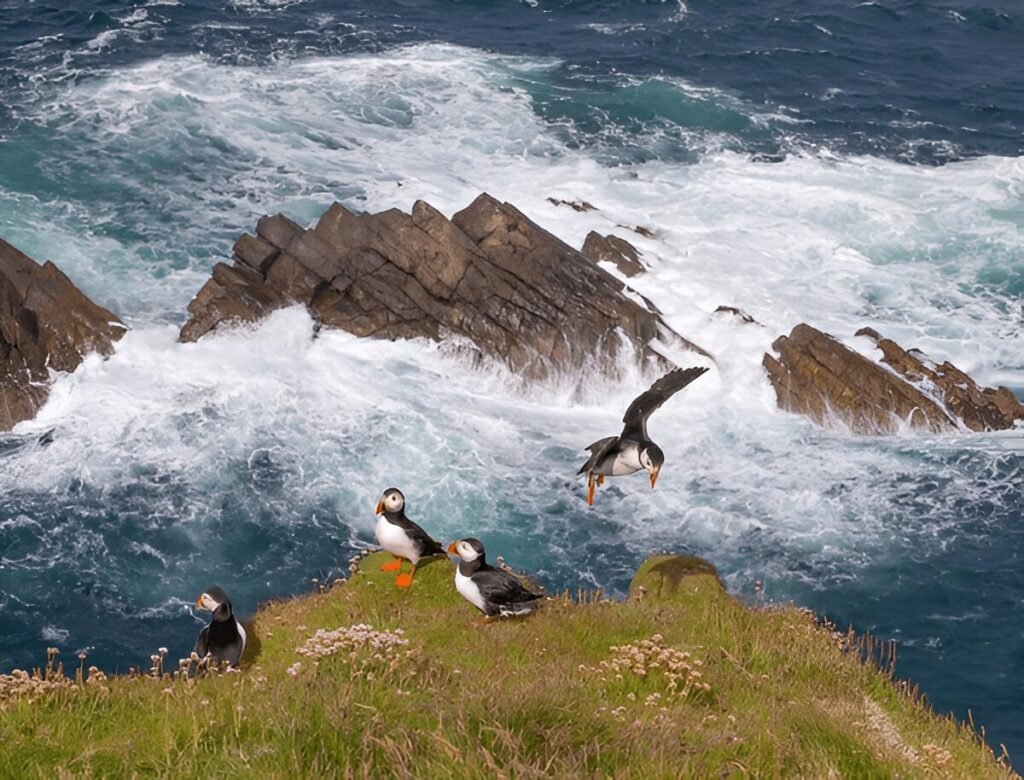
- Seabirds: The Shetlands are renowned for their seabird colonies, which include puffins, gannets, and the endangered Manx shearwater. Sumburgh Head is one of the most famous spots for seabird watching, where you can observe puffins up close.
- Seals and Whales: Shetland’s coastal waters are home to large populations of seals, including grey and common seals, which can be seen sunning themselves on beaches or swimming in the waters. The waters around Shetland also attract whales, dolphins, and porpoises, making it a prime location for marine life enthusiasts.
- Otters and Birds of Prey: On land, Shetland is home to otters, which can be spotted along the shorelines, and a wide variety of birds of prey, including peregrine falcons, golden eagles, and merlins.
Tip for Visiting: If you’re interested in birdwatching or marine life, consider taking a guided wildlife tour to the remote island of Noss, a nature reserve known for its seabird colonies, or a boat trip to view marine mammals.
Fun Fact
Shetland is one of the best places in the UK for whale watching, with the waters around the islands being home to minke whales, orcas, and humpback whales.
4. Shetland’s Modern-Day Charm and Local Culture
The People and Traditions of Shetland
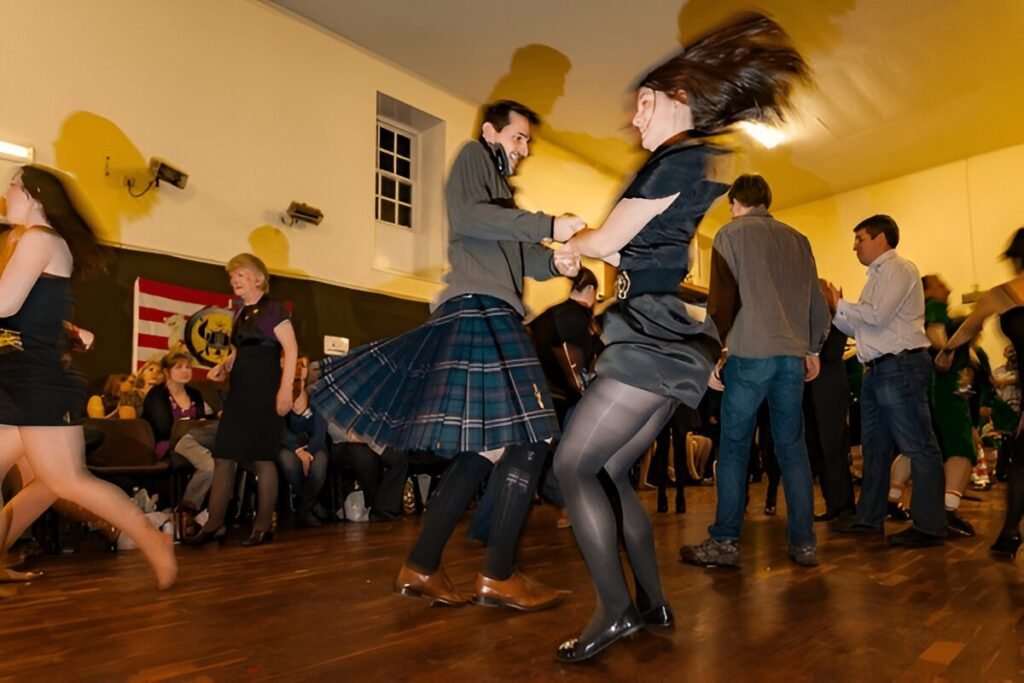
Shetland’s modern culture is deeply rooted in its traditions and heritage, with a strong focus on fishing, craftsmanship, and music. Despite its remoteness, Shetland is a vibrant place, where local festivals, artisan workshops, and Shetland wool products continue to thrive.
- Shetland Wool and Knitwear: The islands are famous for their traditional Shetland wool, which is used to create intricate knitwear and fair isle patterns. Visitors can explore the local shops and galleries, where beautifully crafted woolen goods are sold, including sweaters, scarves, and blankets.
- Shetland Folk Music: Music is an important part of Shetland’s culture, with a strong tradition of fiddle playing and ballads. The Shetland Folk Festival, held annually in Lerwick, is a celebration of Shetland’s musical heritage, attracting musicians from all over the world.
- Local Festivals: In addition to Up Helly Aa, Shetland has a rich calendar of festivals, such as the Shetland Arts Festival and Shetland Food Festival, which celebrate local food, crafts, and arts.
Tip for Visiting: Don’t miss the chance to sample some of Shetland’s local delicacies, including Shetland lamb, seafood, and traditional oatcakes.
Fun Fact
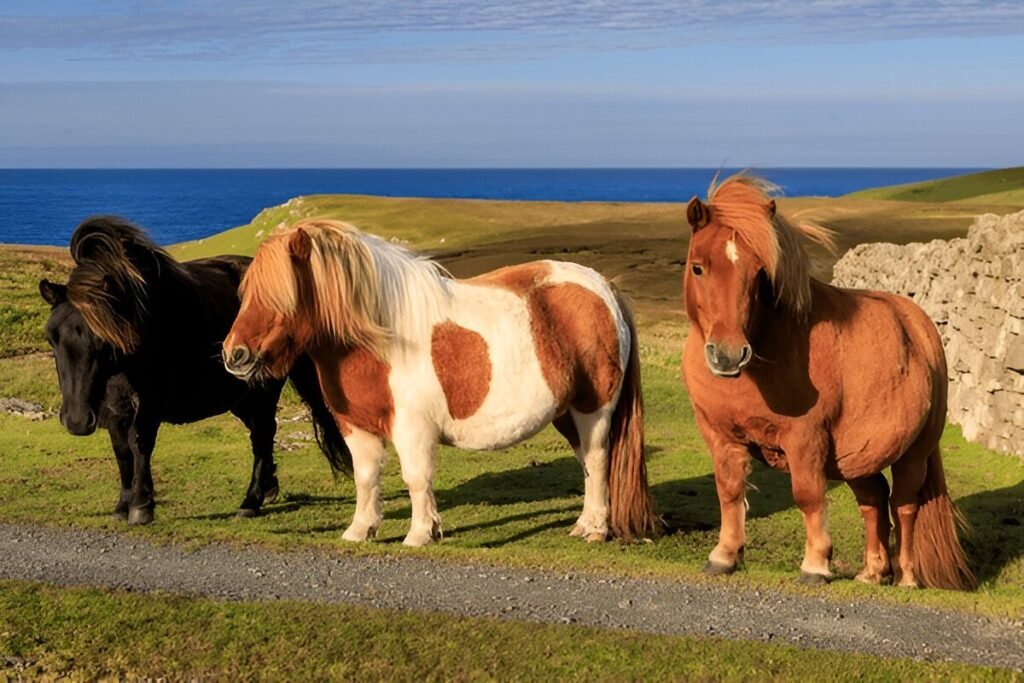
Shetland is home to the world-renowned Shetland Pony, a hardy breed known for its strength, intelligence, and unique appearance. Visitors can often spot these adorable ponies roaming freely in the wild.
Conclusion
The Shetland Islands offer a captivating mix of natural beauty, historical significance, and vibrant local culture. Whether you’re hiking along rugged cliffs, exploring ancient ruins, or observing the rich wildlife, the Shetlands provide an experience unlike any other part of Scotland. With its unique blend of Norse heritage, remote landscapes, and modern-day charm, the Shetland Islands truly feel like a world apart.
For those seeking adventure, culture, and a genuine connection with nature, a visit to the Shetland Islands is an unforgettable experience.