


Introduction
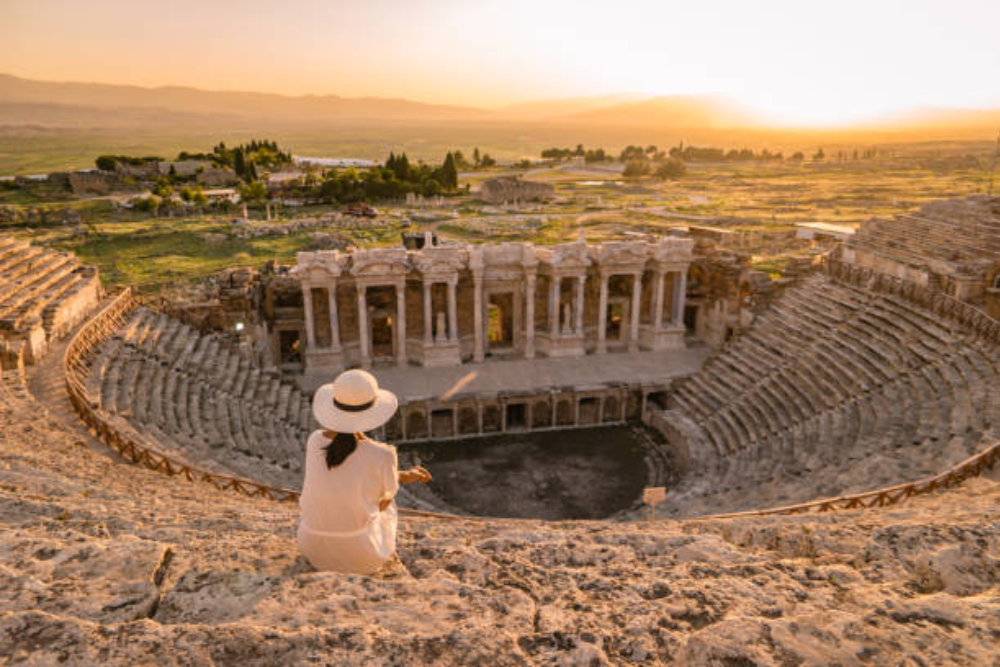
Pamukkale, situated in Denizli, Turkey, is a staggering regular miracle known for its white, terraced mineral-rich pools. Made north of millennia by the progression of underground aquifers, the travertine patios are shaped from calcium stores, giving the scene a cotton-like appearance. The site, frequently alluded to as the “Cotton Palace,” isn’t just an UNESCO World Legacy Site yet additionally an old spa objective. Guests can partake in the restorative warm waters, accepted to have mending properties, while likewise investigating the close by vestiges of Hierapolis, an old Roman city. Pamukkale’s one of a kind blend of normal magnificence, history, and loosening up warm pools makes it one of Turkey’s most well-known traveler objections.
Trekking Around the Travertine Pools
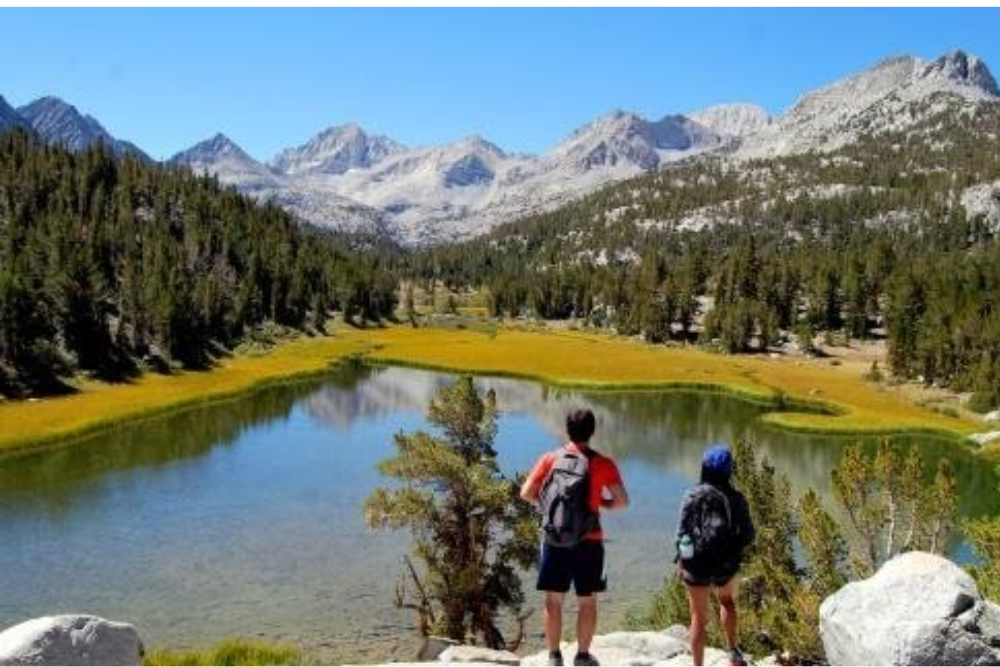
- The regular patios of Pamukkale are a stunning sight, and strolling around them gives a one of a kind experience. Guests can investigate the travertine arrangements, some of which have shaped shallow pools loaded up with warm water. While investigating, make certain to take in the encompassing perspectives on the valley and the far off mountains.
Paragliding over Pamukkale

- For an adrenaline rush, paragliding is one of the most amazing experience exercises in Pamukkale. Taking off over the white travertine patios and old vestiges of Hierapolis, you’ll have an all-encompassing perspective on the staggering scene. The experience is invigorating and offers a totally new point of view of this regular miracle.
Caving in the Ancient Thermal Pools
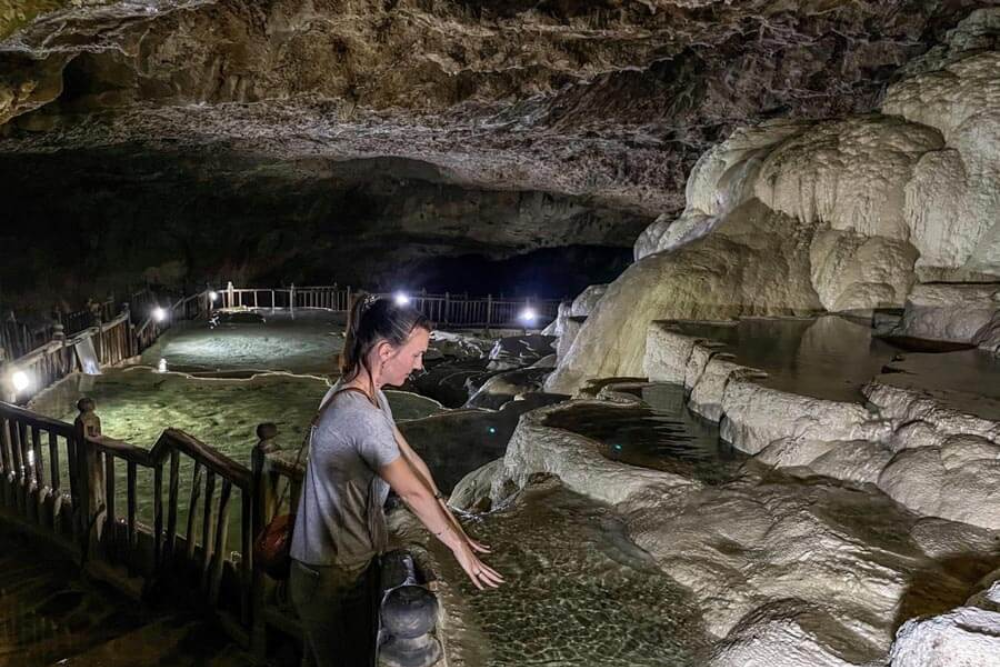
- The locale has stowed away caverns underneath the surface, frequently arrived at by master guides. Investigating these underground developments permits guests to see the underground side of Pamukkale, with mineral-rich water trickling from the cave rock formations above, adding a bit of secret and energy to the experience.
Swimming in Cleopatra’s Pool
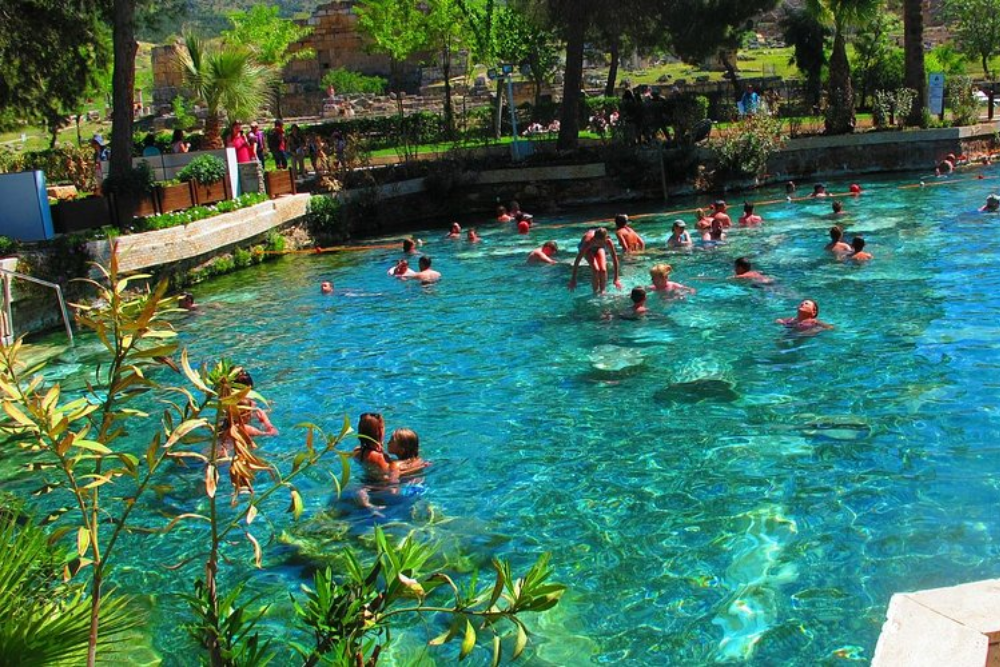
- An exceptional and loosening up experience in Pamukkale is swimming in Cleopatra’s Pool. This old warm pool, situated inside the remains of Hierapolis, is loaded up with warm mineral waters. The pool is wealthy ever, and as you swim, you can see the old segments lowered underneath 1. The Pamukkale Travertine Terraces: Pamukkale’s most well known fascination is its glimmering white travertine porches. These regular developments are made by the aggregation of calcium stores left by the streaming natural aquifers more than millennia. The pools are loaded up with warm, mineral-rich water, which guests can stroll through, offering a strange and remarkable experience.
The Necropolis
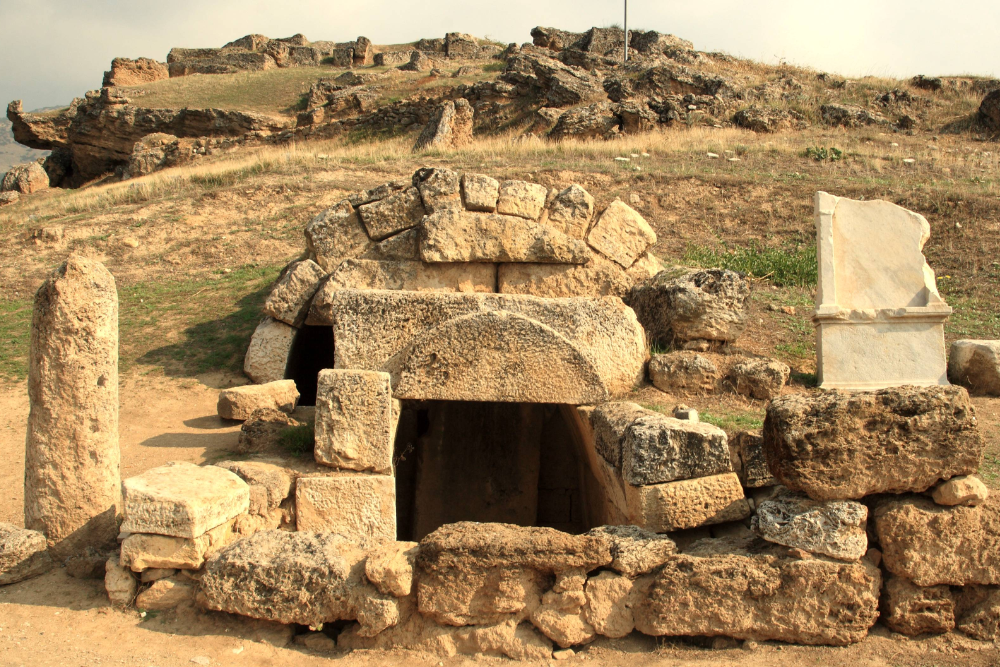
- Right external Hierapolis lies a broad necropolis, which is one of the biggest old entombment destinations in Turkey. The necropolis contains in excess of 1,200 burial chambers, including stone coffins, entombment chambers, and great burial places. It’s a fascinating site to investigate, giving understanding into old internment customs.
The Pamukkale Natural Park
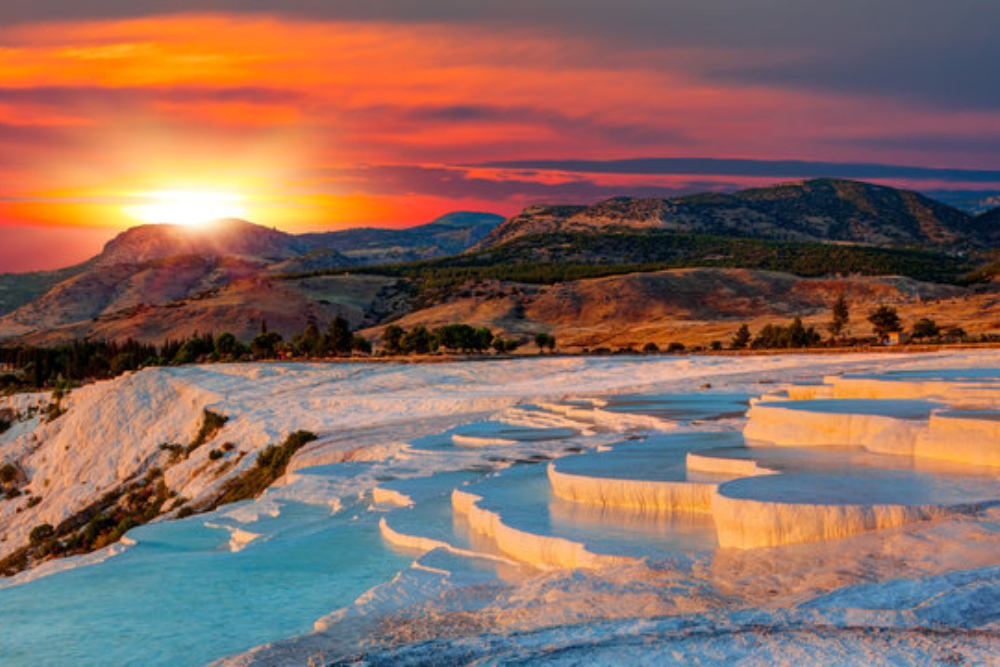
- This grand park offers delightful strolling trails where guests can unwind, partake in the normal magnificence, and have a cookout. The recreation area gives fantastic perspectives on the white porches and the encompassing open country, making it an ideal spot to partake in the serenity and excellence of Pamukkale’s scene.
Dos and Don’ts in Pamukkale (Denizli)
Dos
1. Do Wear Comfortable Footwear: The travertine patios can be tricky, particularly when wet, so wear agreeable, non-slip shoes or go shoeless (as expected in certain areas). Back-peddles are a decent choice for strolling on the porches.
2. Do Respect the Site’s Preservation Rules: Pamukkale is an UNESCO World Legacy Site, and it’s fundamental for regard all rules intended to protect its regular magnificence. Try not to step on regions separated to safeguard the patios, as they are delicate and sensitive.
3. Do Take a Dip in the Thermal Pools: The warm pools are a feature of the site. It’s completely fine to partake in a loosening up drench, yet be aware of nearby guidelines and keep away from extreme sprinkling. Continuously remember the significance of safeguarding the regular habitat.
Don’ts
1. Don’t Litter: Pamukkale is a safeguarded site, so consistently discard your waste mindfully. Abandon no litter, as it can harm the climate and bring down the magnificence of the area.
2. Don’t Use Sunscreen or Oils in the Pools: While partaking in the warm waters, try not to apply sunscreen, oils, or salves, as they can harm the mineral-rich pools. Downplay your skin items to protect the pools’ regular state.
3. Don’t Wear Shoes on the Terraces: Shoes are not permitted on the porches to assist with saving their fragile surface. Be ready to either go shoeless or wear water-accommodating footwear that won’t harm the site.
Best time to reach in Pamukkale (Denizli)
1. Spring (April to June)
• Spring offers gentle and lovely temperatures, commonly going from 15°C to 25°C (59°F to 77°F). The weather conditions is agreeable for open air exercises like strolling around the porches and investigating the antiquated remnants.
• The scene is lavish and green, with blossoms sprouting, adding to the normal excellence of the area. It’s a great time for photography, as the weather conditions isn’t excessively warm.
• Spring for the most part sees less vacationers contrasted with the mid year months, making it an optimal chance to keep away from huge groups.
2. Fall (September to November)
• Fall in Pamukkale offers comparable wonderful temperatures, going from 20°C to 30°C (68°F to 86°F). The intensity of summer has passed, and the cooler nights make it ideal for touring.
• The scene is many times still rich, and the fall colors in the encompassing regions can make for wonderful perspectives. The lower dampness levels likewise add to a more charming encounter.
• Like spring, pre-winter offers a calmer environment contrasted with the pinnacle summer season, considering a more loosened up visit.
3. Summer (July to August)
• Summer can be exceptionally sweltering, with temperatures frequently surpassing 35°C (95°F) and once in a while coming to 40°C (104°F). The warm waters might feel especially warm and mitigating, however strolling around the porches can become awkward during the intensity of the day.
• Summer is the pinnacle traveler season, and the site will be completely open, with additional conveniences and exercises accessible.
• This is the most active time, with larger quantities of sightseers. On the off chance that you like to keep away from huge groups, summer may not be the best opportunity to visit.
4. Winter (December to February)
• Winter is the most un-ideal season for a little while, with temperatures going from 5°C to 15°C (41°F to 59°F). It tends to be crisp, particularly in the nights, and there might be periodic downpour.
• The colder time of year season sees the least vacationers, offering a lot calmer and tranquil experience. The porches look wonderful with a light tidying of snow in uncommon cases.
• Expect insignificant groups, causing it ideal for the individuals who to favor isolation. In any case, a few offices might have decreased hours or be shut.