

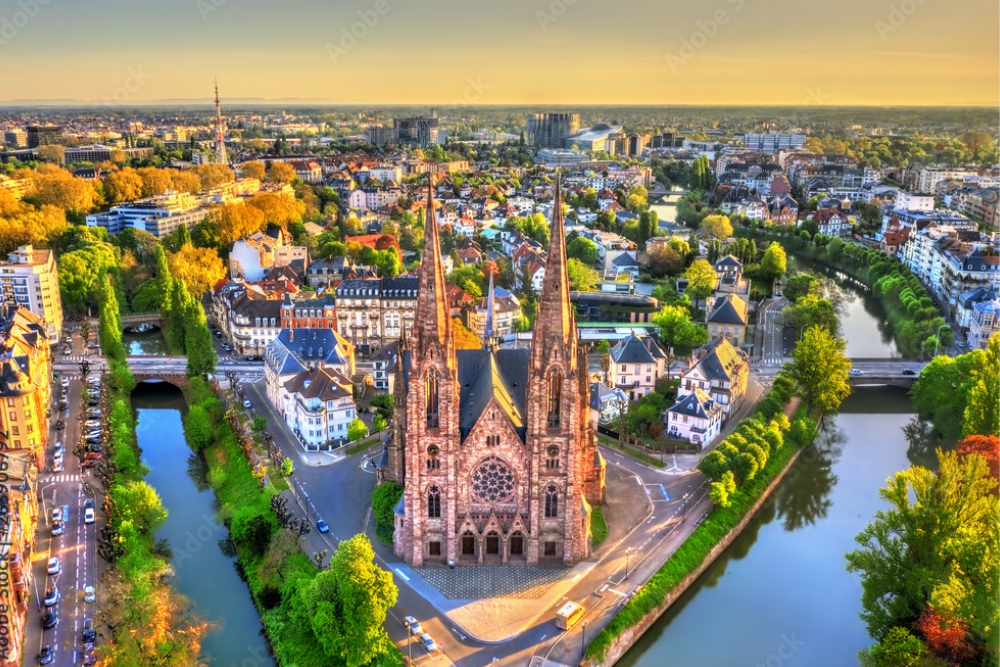

Introduction
Strasbourg, situated in northeastern France, is a city wealthy ever, culture, and dazzling engineering. As the capital of the Alsace district, it is known for its remarkable mix of French and German impacts, reflected in its food, language, and design style. The city’s most notable milestone is the Strasbourg Church building, a work of art of Gothic design. The beguiling La Dainty France locale, with its half-wooded houses and channels, offers a brief look into Strasbourg’s middle age past.
Strasbourg Cathedral (Cathédrale Notre-Dame de Strasbourg)
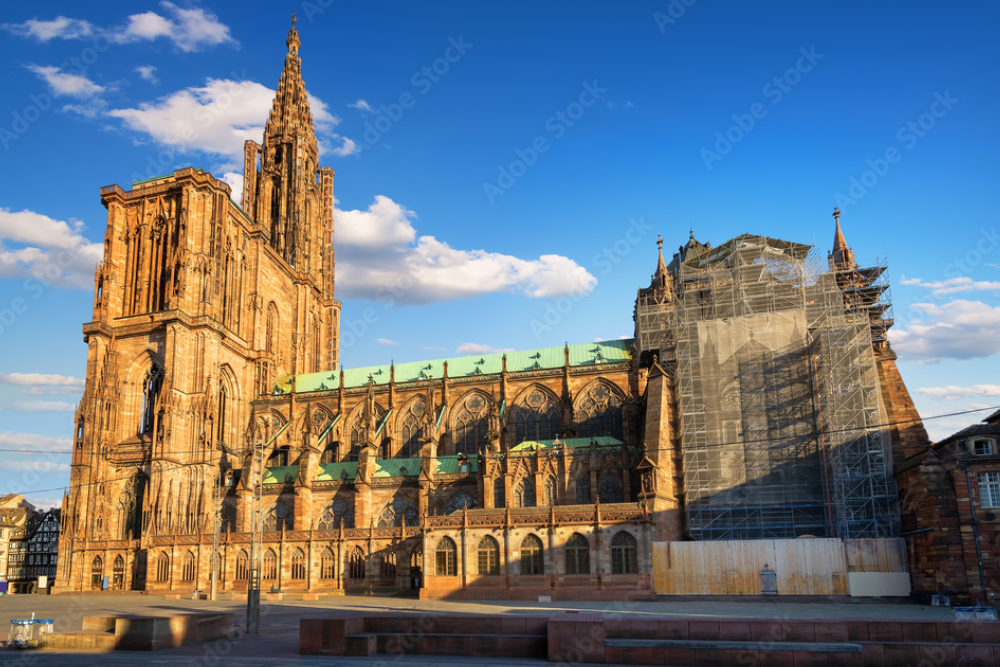
- Quite possibly of the most notable milestone in Strasbourg, the Strasbourg House of God is a work of art of Gothic design. This transcending structure, which was once the tallest structure on the planet, is known for its complicated façade, shocking stained-glass windows, and a renowned galactic clock. Guests can move to the highest point of the house of prayer’s tower for all encompassing perspectives on the city and the encompassing Alsace area. Try not to pass up on the opportunity to see the clock’s mechanical show at noontime, an interesting presentation of accuracy designing and middle age creativity.
La Petite France
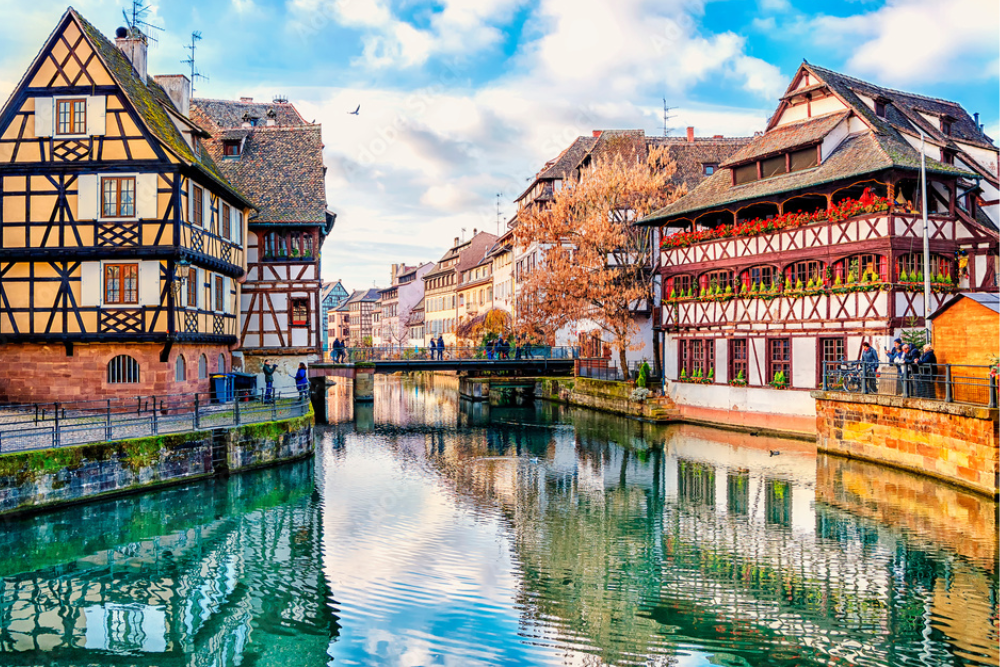
- The architecturally significant area of La Unimposing France is perhaps of Strasbourg’s most pleasant region. With its restricted cobblestone roads, half-wooded houses, and beguiling trenches, it seems like venturing back in time. This locale was once the home of leather experts, anglers, and mill operators, and today it is a center point for guests looking for a sample of the city’s old-world appeal. Walk around the trenches, cross its little scaffolds, and partake in the curious bistros and shops. Ponts Couverts (Covered Scaffolds) and the Floods Vauban (Vauban Dam) are other outstanding sights inside this region.
European Parliament and Council of Europe
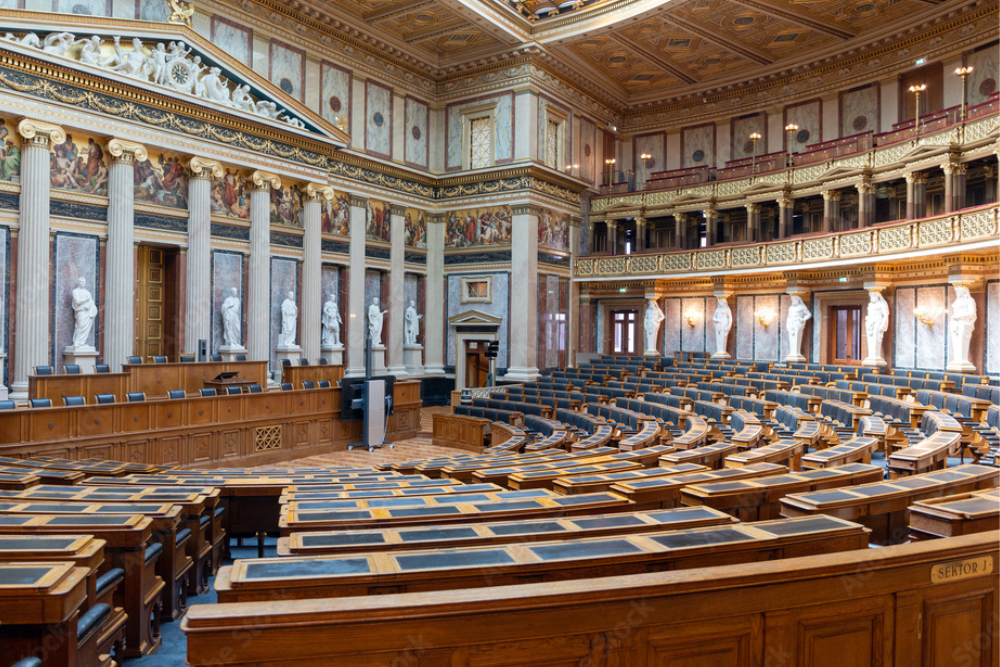
- As the authority seat of the European Parliament, Strasbourg is a significant political focus. For those keen on European undertakings, visiting the European Parliament building is an unquestionable necessity. While the actual structure is an engineering wonder, visits give an inside and out check out at the operations of the European Association. The close by Board of Europe building is likewise worth a visit for those inspired by worldwide regulation and basic liberties.
Parc de l’Orangerie
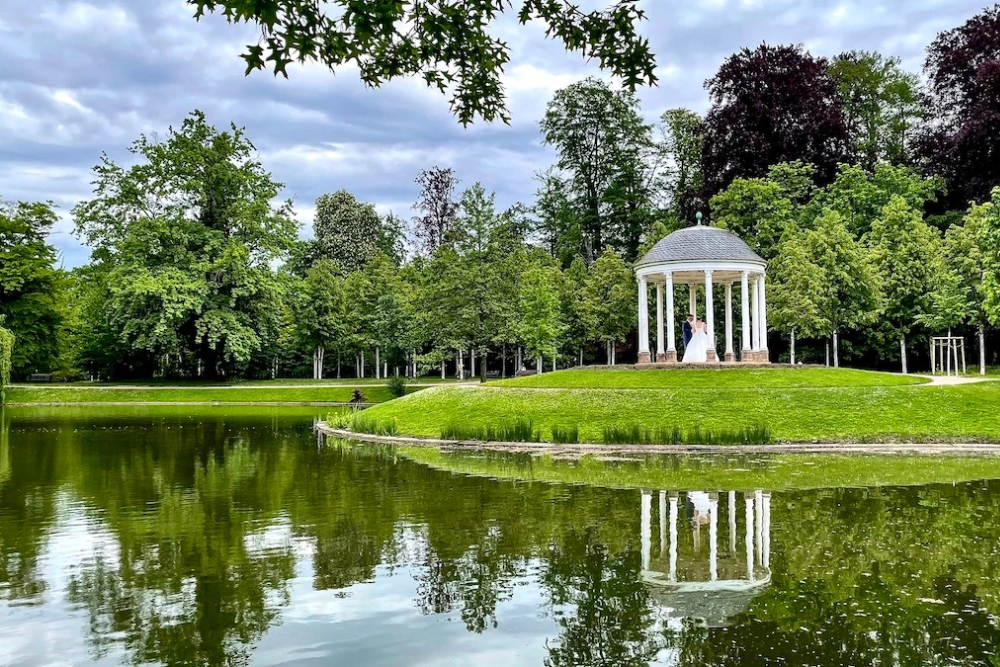
- Just a little of nature, Parc de l’Orangerie is quite possibly of the most gorgeous green space in Strasbourg. Situated close to the European foundations, this park highlights tremendous yards, a lake, and beautiful strolling ways. It’s ideal for a comfortable walk, an outing, or essentially unwinding. The recreation area is likewise home to a little zoo, where guests can see creatures like deer and storks, adding an additional aspect to your visit.
Musée Alsacien (Alsatian Museum)
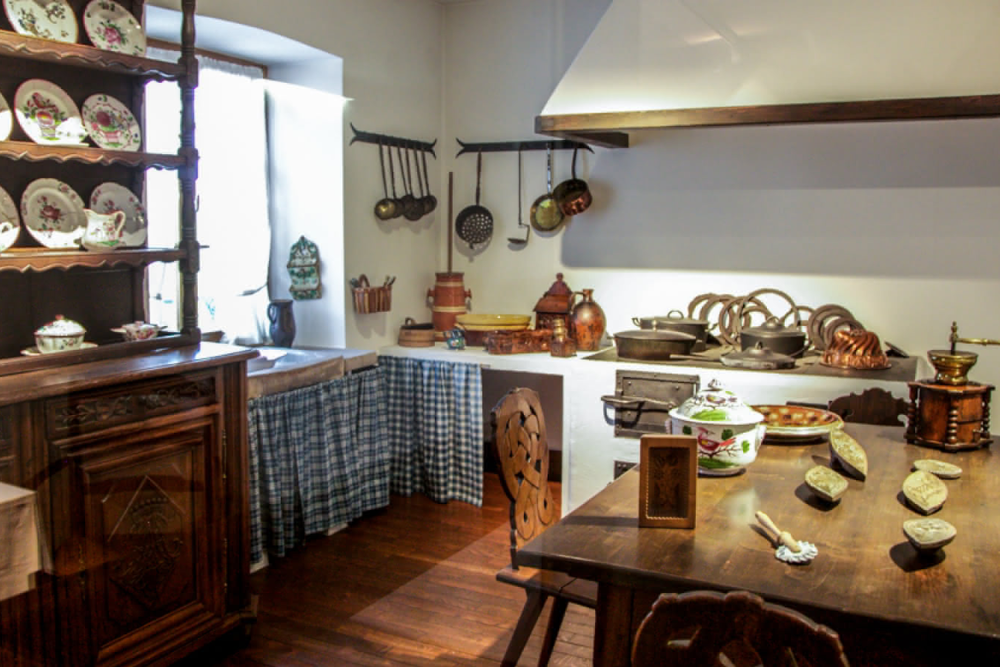
- To get a more profound comprehension of the district’s set of experiences and culture, the Musée Alsacien is an extraordinary stop. Housed in a lovely seventeenth century fabricating, the historical center grandstands the customary existence of the Alsace locale. With its displays of society workmanship, ensembles, stoneware, and homegrown things, it illustrates rustic life in hundreds of years past. It’s an incredible spot for those needing to comprehend the interesting practices that characterize Alsace.
Strasbourg Boat Tours
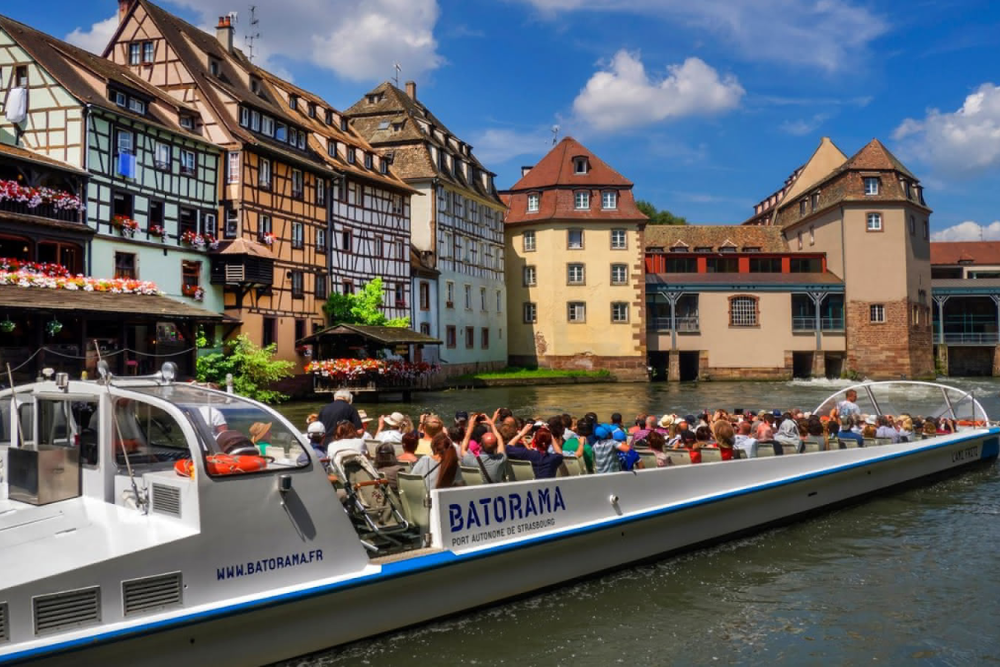
- Investigating Strasbourg from the water is an incredible method for seeing the city. A few boat visits work along the Evil Waterway, offering a one of a kind viewpoint of Strasbourg’s historically significant area, extensions, and prominent milestones. These visits frequently incorporate discourse that gives authentic setting and makes sense of the meaning of the locales you pass.
Place Kleber
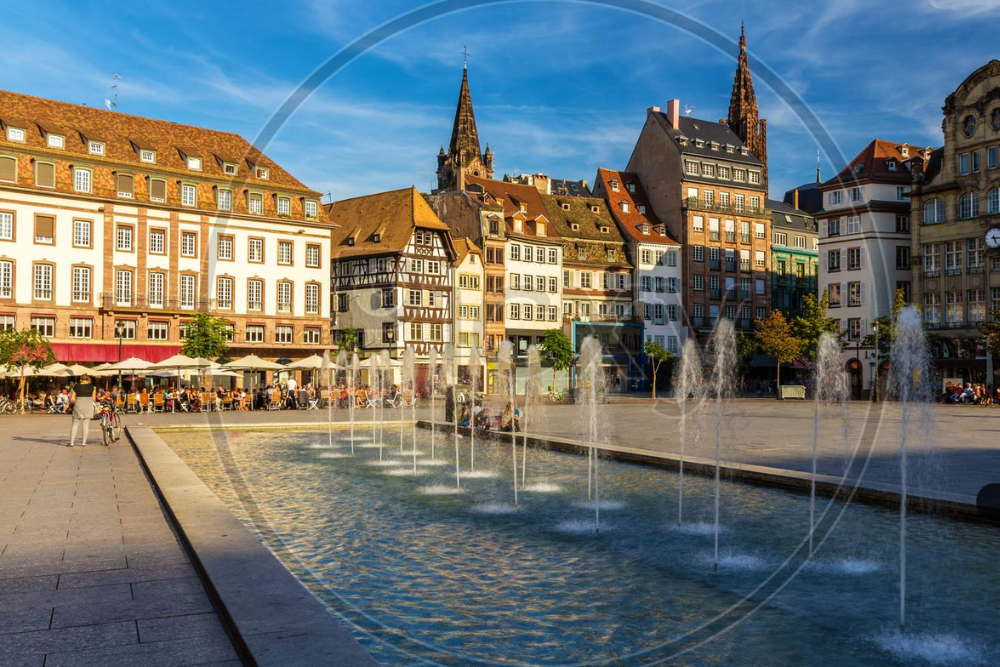
- The Spot Kleber is the principal square in Strasbourg and an energetic spot in the core of the city. It’s encircled by shops, bistros, and eateries, making it an ideal spot for people-watching or having some time off during your touring. In winter, the square is changed into a supernatural Christmas market, one of the most established and most well known in Europe, offering a happy air with conventional Alsatian food, specialties, and designs.
Musee de l’Œuvre Notre-Dame
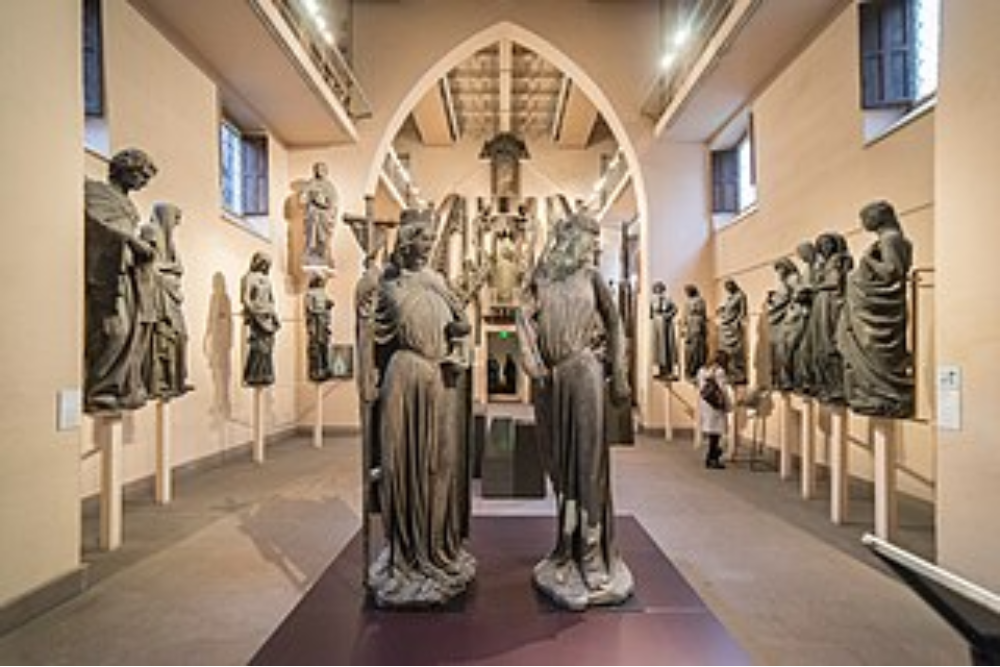
- For workmanship lovers, the Musée de l’œuvre Notre-Lady is a must-visit. Situated close to the basilica, this gallery centers around the craftsmanship and engineering connected with the Strasbourg House of God and the locale. Its assortment incorporates middle age figures, canvases, and stained-glass windows, a large number of which were made for the house of God itself. The exhibition hall offers an astute glance at the craftsmanship and masterfulness of the locale during the Medieval times.
Dos and Don’ts in Strasbourg
When visiting Strasbourg, it’s important to respect local customs and culture to ensure a positive and enjoyable experience. Here’s a list of Dos and Don’ts to help you navigate the city:
Dos
- Do Greet People Politely: In Strasbourg, and France in general, greetings are important. Always say “Bonjour” (Good day) when entering shops, restaurants, or meeting people, and “Au revoir” (Goodbye) when leaving. A handshake or a small nod is also a sign of respect.
- Do Enjoy Alsatian Cuisine: Strasbourg is famous for its Alsatian cuisine, including choucroute (sauerkraut with sausages), tarte flambée (Alsatian pizza), and delicious local wines. Try these traditional dishes in local restaurants or winstubs (wine bars) for an authentic experience.
- Do Explore on Foot or by Bike: Strasbourg is a walkable city, with beautiful pedestrian zones in its historic districts like La Petite France. It’s also one of the most bike-friendly cities in France, so consider renting a bike to explore the city at your own pace.
Don’ts
- Don’t Expect Everyone to Speak English: While many people in Strasbourg speak English, especially in tourist areas, not everyone is fluent. It’s respectful to try basic French phrases like “Bonjour” (Hello) and “Merci” (Thank you), even if it’s just a small attempt to communicate.
- Don’t Skip the Local Etiquette: In France, politeness is highly valued. Don’t forget to say “Bonjour” when entering a shop, even if you’re just browsing. Avoid starting conversations without a greeting—this is considered rude.
- Don’t Rush Through Meals: French culture places great importance on savoring meals. Don’t rush through your meals, especially at lunch or dinner. Take your time to enjoy the food and the company.
Best time to reach in Strasbourg
The best time to visit Strasbourg depends on what kind of experience you’re looking for, as the city offers distinct charms throughout the year. Here’s a breakdown of the best times to visit based on weather, events, and crowds:
1. Spring (April to June) – Ideal for Mild Weather and Outdoor Exploration
- Spring is a fantastic time to stroll through the city’s beautiful gardens, such as the Parc de l’Orangerie and Jardin des Deux Rives, which bloom with flowers. The crowds are fewer than in summer, making it a more relaxed time to explore the historic La Petite France district and the Strasbourg Cathedral without the summer rush. Additionally, cultural events like the Strasbourg Music Festival offer vibrant experiences.
2. Summer (July to August) – Best for Warm Weather and Festivities
- Summer brings a lively atmosphere to Strasbourg, with plenty of outdoor festivals, events, and open-air concerts, including the Strasbourg Jazz Festival. The Ill River is also perfect for boat tours. This is the best time to enjoy the city’s outdoor cafés and markets. However, since it is the peak tourist season, expect larger crowds at popular tourist spots.
3. Autumn (September to November) – Best for Fewer Crowds and Beautiful Foliage
- Autumn is a wonderful time to explore Strasbourg when the summer crowds thin out. The foliage in the city’s parks and surrounding countryside becomes beautiful with vibrant autumn colors. You can also visit vineyards along the Alsace Wine Route, where wine harvests are in full swing. The Strasbourg International Fantastic Film Festival (usually in September) offers a unique cultural experience, and there are fewer tourists, so you can enjoy the attractions more peacefully.
4. Winter (December to February) – Best for Christmas Markets and a Magical Atmosphere
- Strasbourg’s Christmas Market is one of the oldest and most famous in Europe, drawing visitors from around the world. The city’s streets and squares become beautifully decorated, and the festive atmosphere makes it a magical winter destination. You can enjoy seasonal treats like mulled wine, roasted chestnuts, and bretzels. While the city is quieter outside the Christmas period, winter can be very cold, so be sure to bundle up.