


Introduction:
As the global population takes note of the toxic impacts of the rampant constructions in many parts of the world, the international discourse about sustainability and green tourism assumes a strident note of significance. Dubai, a metropolis famous for its unique blend of tradition and modernity, is endeavouring to integrate the United Nations’ Sustainable Development Goals (SDGs) 2030.
As one of the fastest-growing economies across the globe, Dubai is obligated to play the role of a key stakeholder in humanity’s march towards responsible and holistic green development in multiple walks of human civilization. The Dubai Economic Agenda, known as D33 is an ambitious blueprint that not only incorporates the spirit and significance of the United Nations’ SDGs but goes much ahead with its plan to establish Dubai as one of the most sustainable metropolises across the globe.
Dubai’s Vision for a Sustainable Future:
Dubai has been proactively pursuing its commitment to sustainable and green tourism through an array of initiatives in various sectors and fields. Some of them are:
- Dubai Sustainable Tourism (DST) Stamp
- Dubai Can Initiative
- Hospitality Sustainability Board Game
- Green Building Codes and Regulations
- Investment in Renewable Energy
- Sustainable Transportation Initiatives
Dubai Sustainable Tourism (DST), an initiative under the aegis of the Dubai Department of Economy and Tourism (DET), aligns the objectives envisaged in the SDGs 2030 while championing the D33 agenda and the UAE’s ambitious Net Zero 2050 benchmark. The comprehensive sustainability drive would include various measures like:
- Quality Education & Awareness
- Clean Water & Sanitation
- Industry, Innovation & Infrastructure
- Sustainable Cities & Communities
- Responsible Consumption & Production
- Climate Action
- Life Below Water
Dubai 2040 Urban Master Plan is the ultimate roadmap that makes sustainable planning and living a cornerstone of its pledge towards a sustainable future. In 2021, the Dubai Sustainable Tourism (DST) initiative came out with the mandate that all hotels in the city be compliant with 19 sustainability requirements. These included corporate social responsibility programmes (CSR), food and water management plans, guest education and employee awareness initiatives among others.

Dubai is committed to generating 75% of the Emirate’s energy from clean energy sources under the initiative of Dubai Clean Energy Strategy 2050. Department of Economy and Tourism’s (DET) Carbon Calculator actively measures the carbon footprint of the hospitality sector. Hotel Emission Analysis Reports and Dubai Sustainable Tourism Stamp ensure that the hoteliers not only comply with these shared objectives but fundamentally integrate them into their activities as well.
Green Hotels and Eco-Friendly Accommodations:
Hotels, resorts, and all such facilities play a pivotal role in the hospitality sector, and their commitment to green tourism makes a telling impact on the overall credibility of luxury tourism within the coterie of environmentally-conscious tourists and travellers.
Two prominent certifications known for their global acclaim and relevance are LEED (Leadership in Energy and Environmental Design) and Green Key certifications. LEED is a globally acclaimed benchmark developed by the United States Green Building Councils (USGBC) that awards points based on adherence to various sustainability practices.
The LEED certification takes into account areas like energy efficiency, selection of materials, water conservation, and indoor air quality. Dubai has been actively promoting this programme to further its sustainability credentials in the global pecking order of green tourism. For example, Expo City Dubai houses within its precinct 123 LEED-certified buildings in one of the largest concentrations of certified and energy-efficient buildings in the globe.
Green Key is another leading international standard eco-certificate that takes the record and commitment to sustainable practices into account and awards its prestigious certificate. Dubai is promoting this benchmarking system to advance its cause for responsible and sustainable tourism.
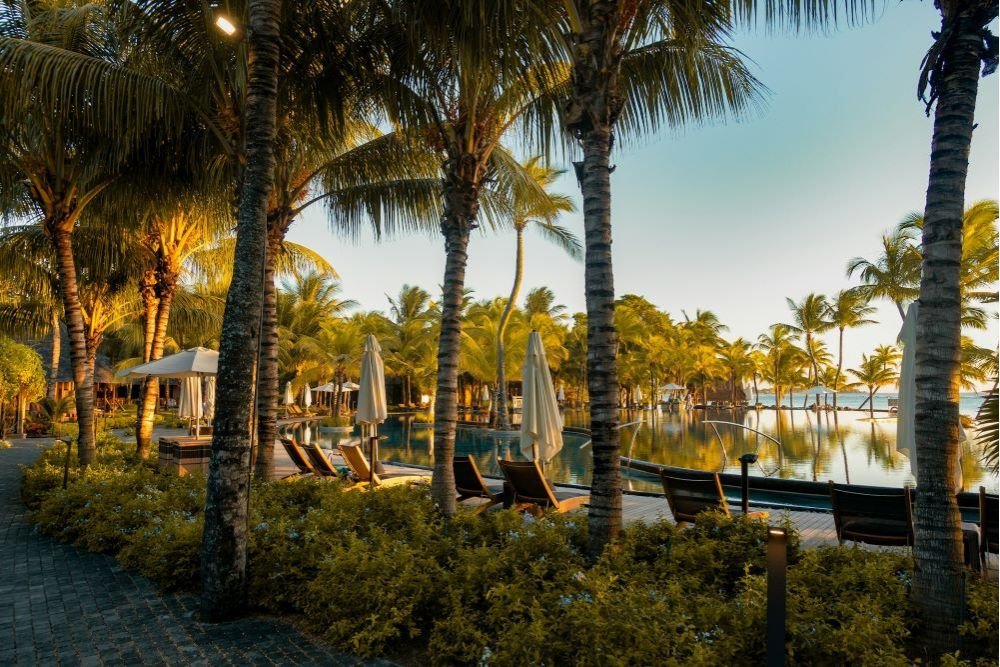
For example, all Rove Hotels in Dubai, several Marriott properties, and various Hilton Hotels in Dubai are Green Key certified. This attests to the commitment that Dubai reflects in its march towards the global goal of sustainability and green tourism.
Eco-Tourism Activities and Nature Conservation:
Dubai has pledged to commit its resources to maritime conservation plans in the shape of Dubai Reef under the aegis of the Dubai Can initiative. Under the Dubai Reef initiative, a massive 20,000 reef modules of various sizes will be deployed across Dubai waters in the span of the next four years.
Amassing a total area of 600 square kilometres, Dubai Reef aims to protect the aquatic flora and fauna, coastal and marine habitats and improve aquatic resilience.
Not just maritime conservation, but Dubai is making deep inroads in the areas of preservation of land-based ecosystems and wildlife. Dubai has already established eight protected areas in an endeavour to protect, promote and restore the delicately balanced ecosystems in all those areas.
Covering a staggering 31% of the total landmass of Dubai, some of these areas are Al Marmoom Desert Conservation Reserve, Dubai Desert Conservation Reserve, Hatta Mountain Reserve, and Jabal Ali Wildlife Sanctuary, among others.
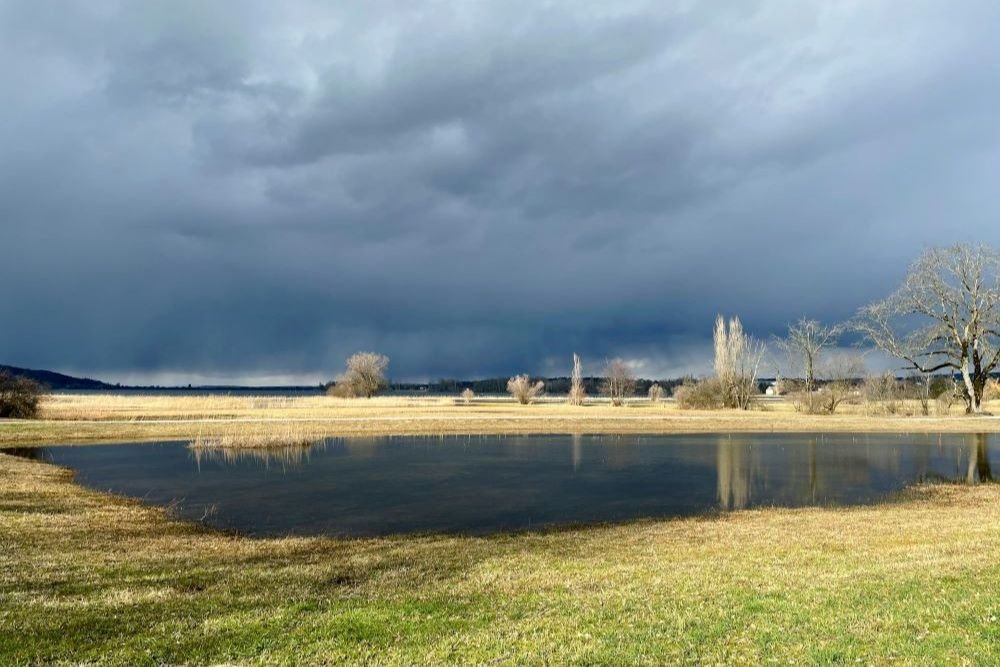
However, not just conservation but Dubai has also brought them under the fold of responsible tourism in the form of sustainable Desert Safaris. These desert safaris include electric or hybrid vehicles while respecting causes like waste reduction, protecting wildlife, and water conservation, among others.
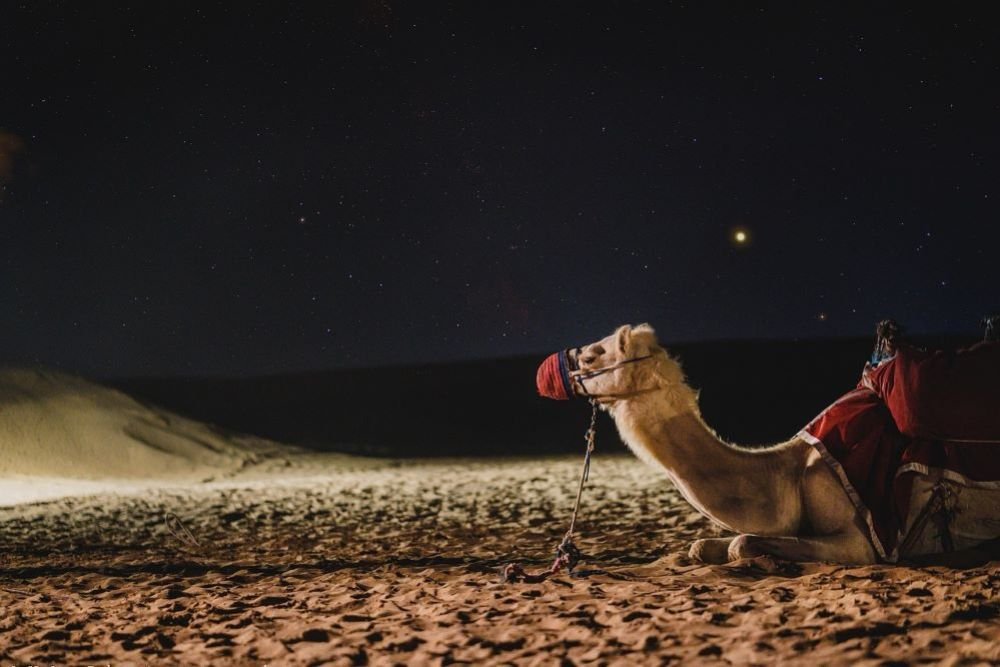
To promote true inclusion and equitable distribution of wealth, local communities are actively involved so that sustainable development can occur. Some of the activities of these safaris include awareness about the local Bedouin culture, stargazing in the Arabian wilderness and camel riding.
Green Transport and Sustainable Mobility:
Dubai is actively promoting energy-efficient vehicles and means of transport in a bid to reduce its carbon footprint. These include EV vehicles, electric buses, and EV charging stations across the length and breadth of the city. Dubai Taxi Corporation (DTC) has launched an initiative that will see a complete change in its vehicles to electric vehicles by 2030.
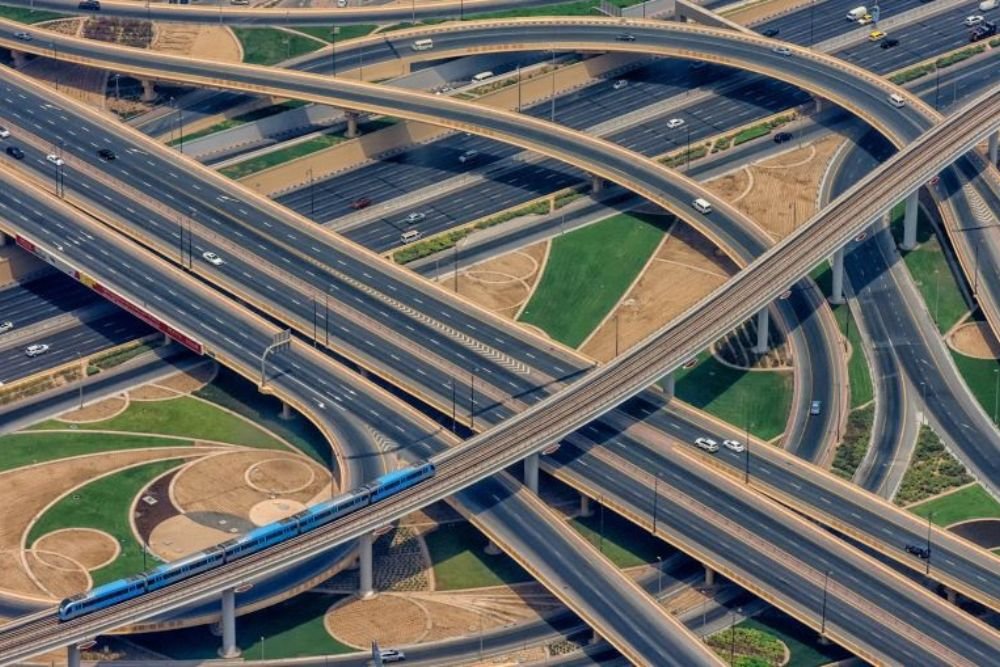
In an endeavour to forward the essence of sustainable energy consumption, Dubai is steadfastly investing in all those modes of mobility that are carbon neutral. Examples in this regard include Dubai Metro and hybrid buses.
It is not just a superficial commitment, but Dubai is integrating the spirit of sustainable tourism into deeds. Dubai is also promoting various walking-friendly and cycling zones so that the concept of mobility can be paired fundamentally with these activities. Downtown Dubai and Jumeirah Corniche are examples of such areas.
Sustainable Dining and Farm-to-Table Experiences:
Sustainable and farm-to-table dining may seem to be a prominent rarity where exclusivity and lavish stylistic aesthetics are rife in the air. In a city that seems more like a designer studio, locally sourced produce can be a surprising gastronomic inclusion. But defying the odds, homegrown restaurants are on the rise even in Dubai and offer an experience of difference.
One of the food joints located in Dubai’s International Financial Centre is the Spanish bar BOCA, which offers experimental yet mouth-watering delicacies. BOCA brings a fantastic fusion of Mediterranean flavour with the taste of the Arabian Gulf. The delicacies that are on offer at BOCA include (but are not limited to) a colourful salad of aged local beetroot, oysters grown in the Arabian Gulf, edible flowers from a desert garden, locally grown vegetables, and Emirati kingfish.

A couple of other restaurants that offer local cuisines along with delectable experiments are Cassette, Dibba Bay Oysters, Mary Anne’s Fresh Produce, and Emirates Bio Farm.
Apart from all these efforts and measures, there is The Sustainable City, founded in 2015 and the first operational net zero energy settlement in the entire world that showcases the beautiful blend of high-quality sustainable living. Then there is Masdar City, which brilliantly brings into play eco-friendly technologies and energy efficiency.
Conclusion:
Dubai has made tremendous strides in the areas of energy consumption, controlling carbon footprints, to generating more green and open spaces through sustainable urban planning. As a result of these monumental endeavours, Dubai is poised to become world’s one of the most environment-friendly cities within a span of a few years.