

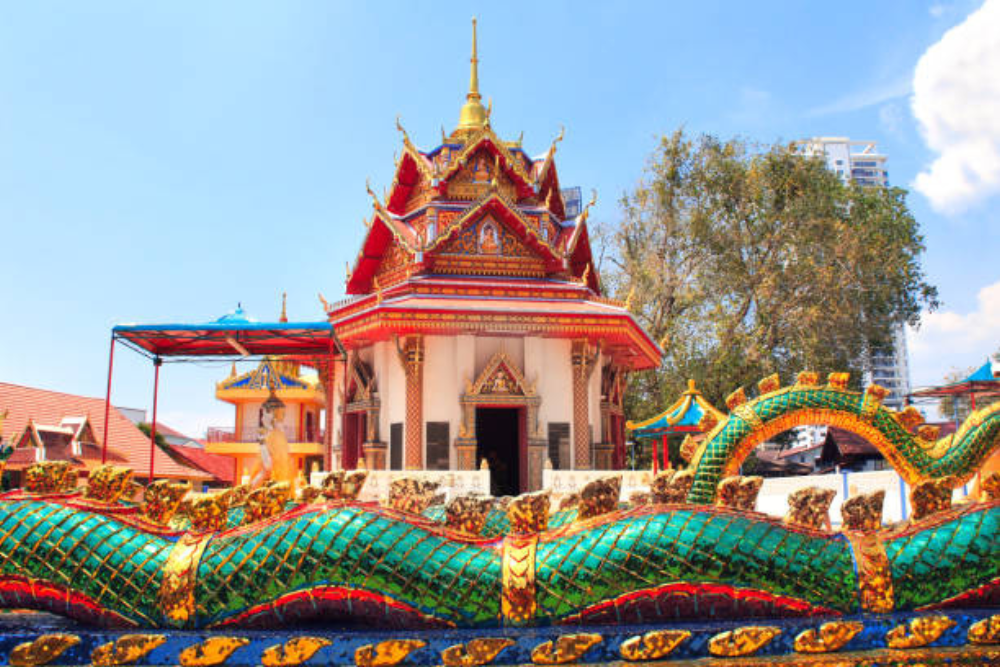

Penang, a state located on the northwest coast of Malaysia, is a melting pot of cultures and religions. Its vibrant history is reflected in its stunning temples and mosques, which serve as both places of worship and cultural landmarks. This blog takes you on a spiritual journey through Penang’s most iconic religious sites, showcasing their architectural beauty and cultural significance.
1. Kek Lok Si Temple:

Kek Lok Si Temple in Air Itam is the largest Buddhist temple in Malaysia. Founded in 1890, this temple complex sprawls over four acres and features intricate architecture influenced by Chinese, Thai, and Burmese styles. The highlight of the temple is the towering 30-meter tall statue of the Goddess of Mercy, Kuan Yin, which stands proudly atop a hill.
Visitors can explore the beautifully landscaped gardens filled with lotus ponds and pavilions adorned with colorful lanterns. Don’t forget to climb to the top of the hill for breathtaking views of Georgetown and beyond. As you wander through this serene sanctuary, you’ll feel a sense of peace and tranquility that makes Kek Lok Si a must-visit destination.
2. The Snake Temple:
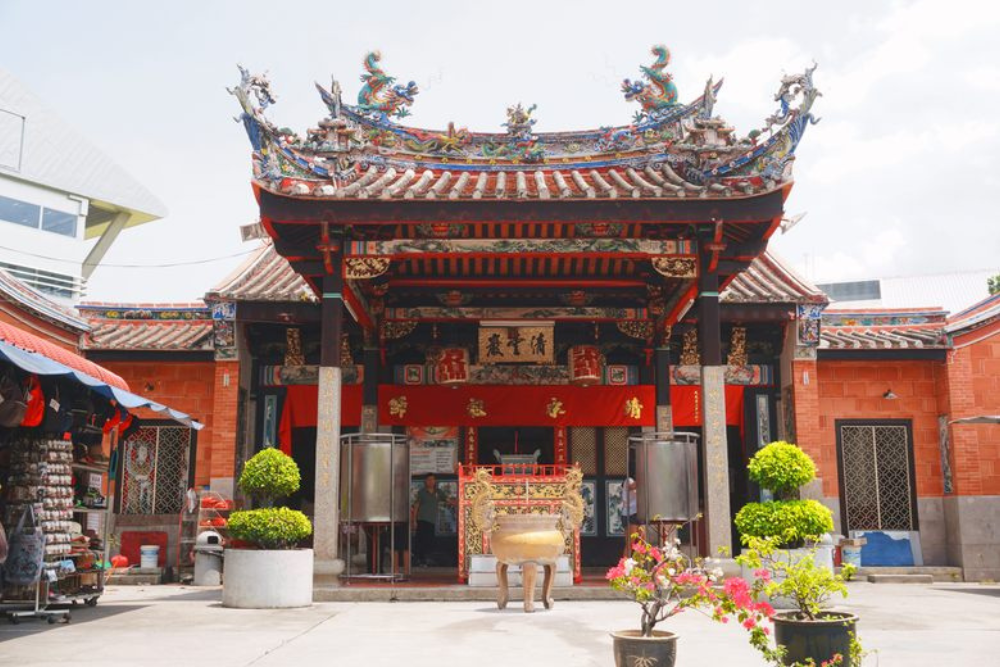
Nestled in Bayan Lepas, the Snake Temple offers a fascinating experience for visitors seeking something out of the ordinary. Built in the 1850s to honor the deity Chor Soo Kong, this temple is famous for its resident pit vipers that slither freely among the offerings.
The temple’s unique architecture features intricate carvings and beautifully painted ceilings. As you explore, take time to appreciate the harmonious relationship between nature and spirituality that this site embodies. The Snake Temple provides an unforgettable experience that showcases Penang’s rich cultural tapestry.
3. Kapitan Keling Mosque:
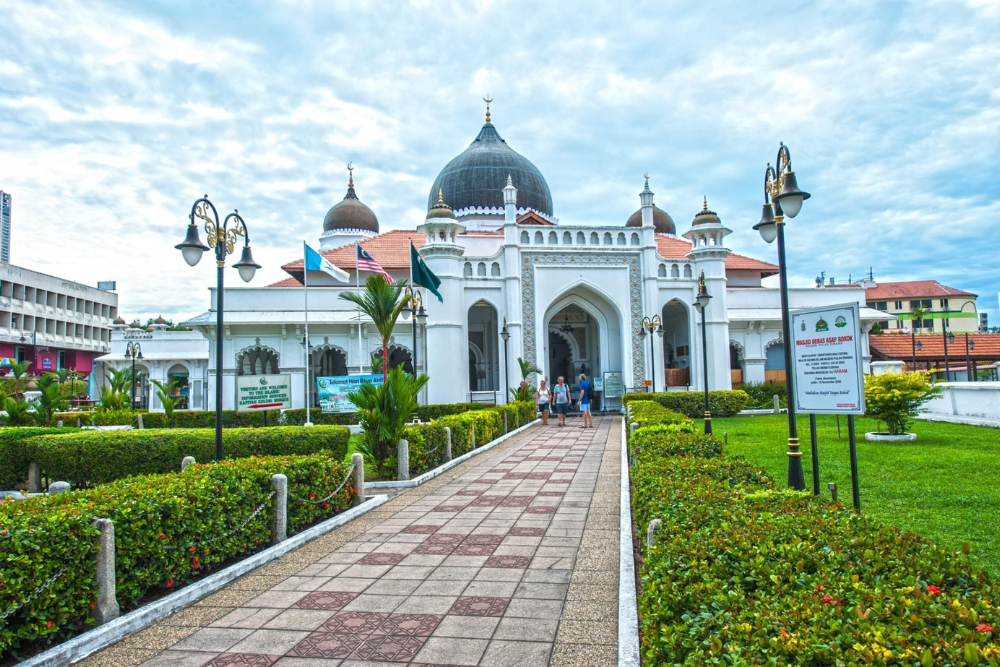
Kapitan Keling Mosque stands as one of Penang’s most important mosques, reflecting the influence of Indian Muslim culture in Malaysia. Constructed in 1801 by Indian Muslim immigrants, this mosque boasts stunning Mughal-inspired architecture with its grand dome and towering minarets.
Visitors are welcome to explore the mosque’s beautiful courtyard adorned with lush gardens. Remember to dress modestly if you wish to enter; this practice demonstrates respect for local customs. The peaceful atmosphere invites contemplation, making it an ideal spot for both worshippers and tourists alike.
4. Dhammikarama Burmese Temple:
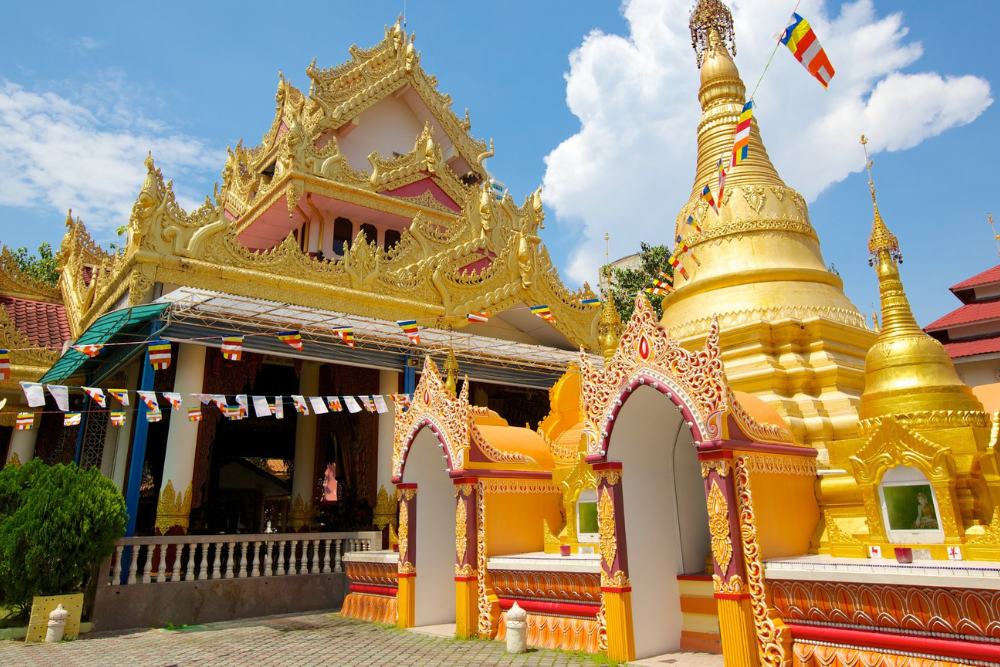
Located near Kek Lok Si Temple, Dhammikarama Burmese Temple is another gem worth visiting. Established in 1803, it is Malaysia’s first Burmese temple and showcases exquisite traditional Burmese architecture.
The temple features stunning murals depicting scenes from Buddhist mythology and beautifully crafted statues. Visitors can also participate in meditation sessions held within its tranquil grounds. This temple provides a unique glimpse into Burmese culture while promoting peace and mindfulness.
5. Masjid Melayu Lebuh Acheh:
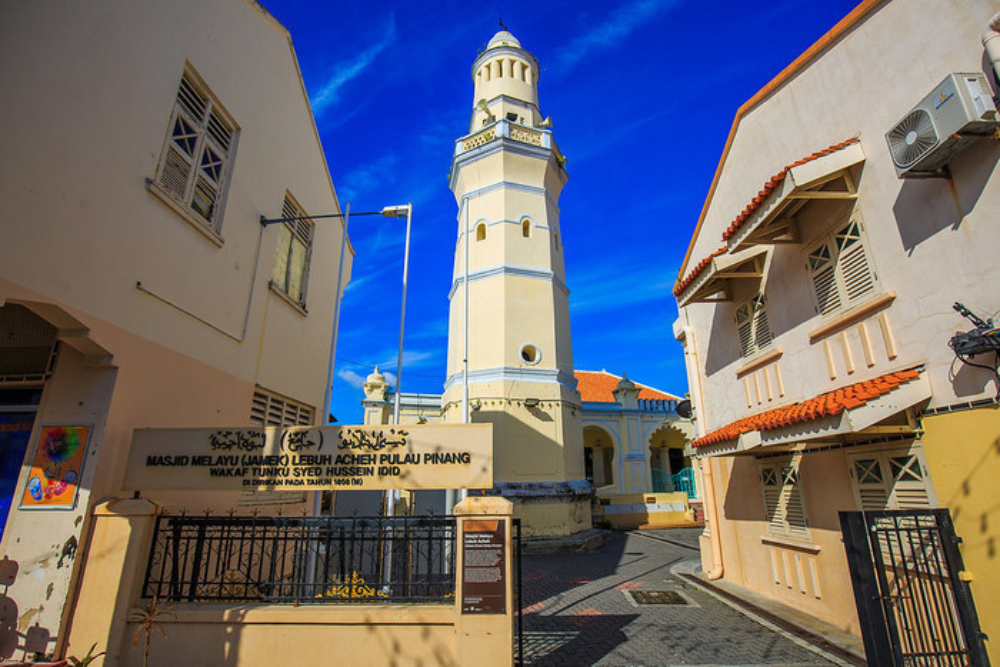
Masjid Melayu Lebuh Acheh is one of Penang’s oldest mosques, built in 1800 by Malay immigrants from Acheh (Aceh). Its unique architectural style combines Malay design elements with Moorish influences, creating a visually striking structure.
The mosque’s interior features beautiful woodwork and intricate calligraphy that reflects Islamic artistry. Visitors can explore the serene surroundings while appreciating its historical significance within Penang’s diverse religious landscape.
6. Wat Chayamangkalaram:
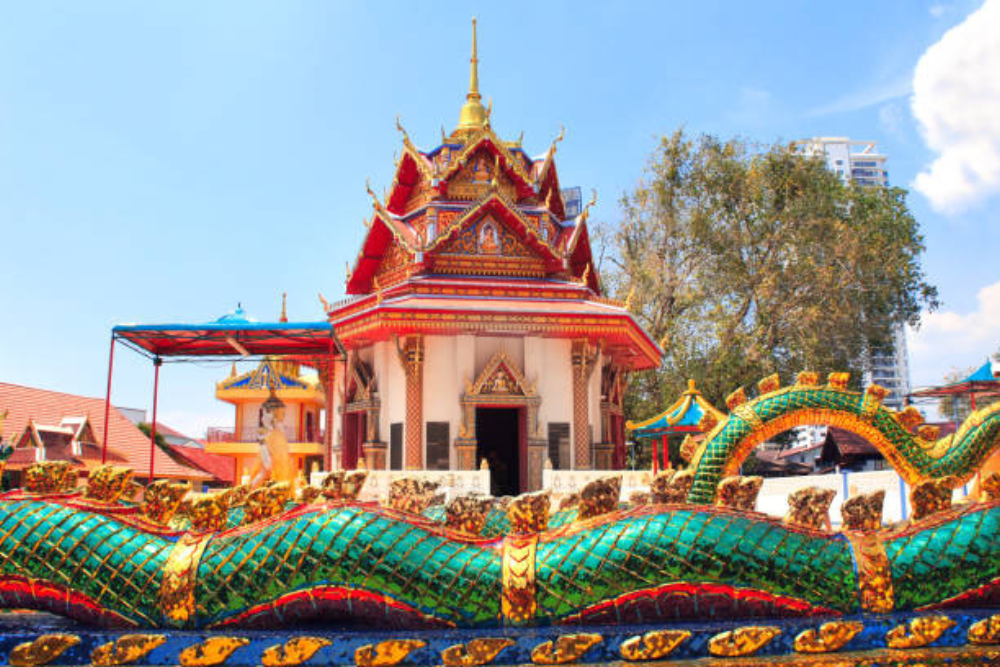
Wat Chayamangkalaram is another noteworthy site on your spiritual journey through Penang. This Thai Buddhist temple is famous for housing one of the longest reclining Buddha statues in the world at an impressive 33 meters long.
The temple grounds are adorned with colorful murals depicting scenes from Buddhist teachings. Visitors can engage in meditation or simply enjoy the peaceful ambiance surrounding this vibrant place of worship.
Conclusion:
Exploring the temples and mosques of Penang offers more than just a glimpse into architectural beauty; it provides insights into the rich tapestry of cultures that define this remarkable state. Each site tells a story—of devotion, history, and community—and invites visitors to embrace diversity.