


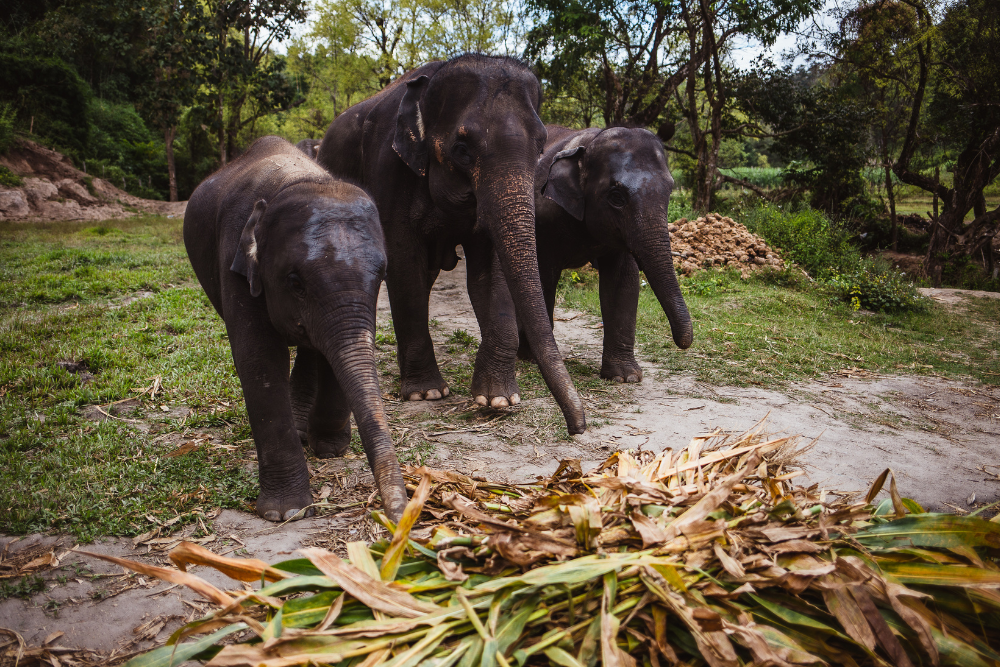

Thailand’s national parks are not only breathtakingly beautiful but also play a crucial role in wildlife conservation and ecosystem preservation. With over 150 national parks spanning diverse landscapes, including tropical rainforests, wetlands, and coastal areas, Thailand is home to a rich variety of wildlife, including endangered species like elephants, tigers, and gibbons. Here is a guide to some of Thailand’s top national parks, each offering unique experiences for nature lovers, wildlife enthusiasts, and conservation-minded travelers.
1. Khao Yai National Park: Thailand’s First and Most Famous National Park
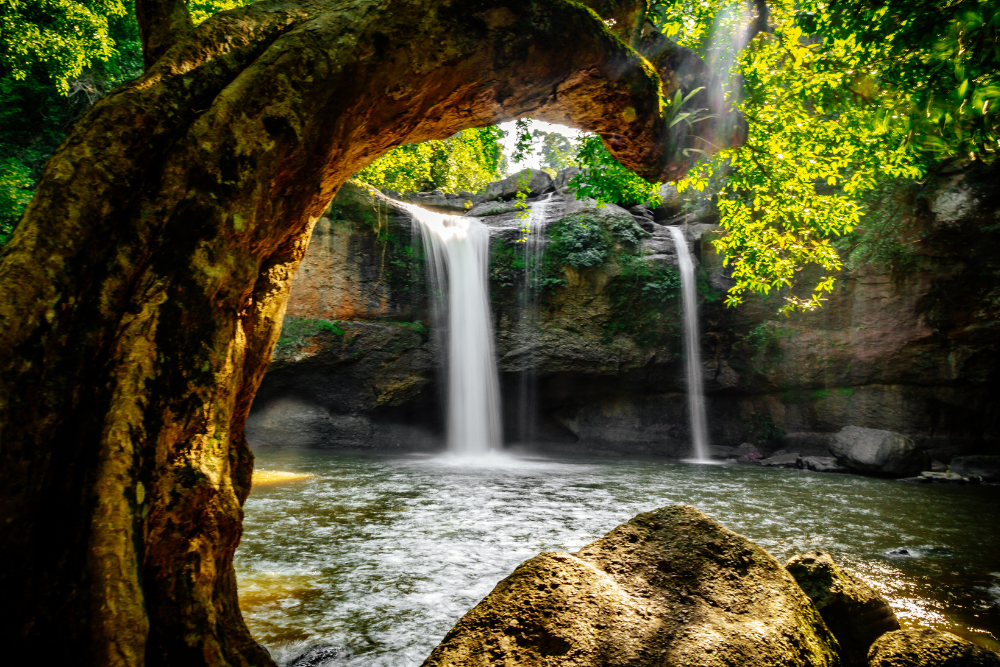
Khao Yai National Park, a UNESCO World Heritage site, is Thailand’s oldest and one of its largest national parks, covering more than 2,000 square kilometers. Located just a few hours from Bangkok, Khao Yai is known for its rich biodiversity, stunning waterfalls, and dense jungles. It is home to over 300 species of birds and a variety of large mammals, making it a prime spot for wildlife viewing.
Wildlife Highlights: Khao Yai is one of the best places in Thailand to see wild elephants. Other species include gibbons, macaques, sambar deer, and the occasional sighting of leopards and Asian black bears. Birdwatchers will be delighted to spot hornbills, eagles, and various colorful forest birds.
Popular Attractions: The park is famous for its beautiful waterfalls, including Haew Narok and Haew Suwat, which were featured in the film The Beach. There are numerous hiking trails, with viewpoints overlooking scenic landscapes, and a variety of guided tours are available for wildlife spotting.
Best Time to Visit: The cool season from November to February is ideal, as temperatures are comfortable, and the chance of spotting wildlife is high. The rainy season, from June to October, brings lush scenery and active waterfalls, but some trails may be challenging due to slippery conditions.
Conservation Efforts: Khao Yai plays a crucial role in elephant conservation, and several programs focus on habitat preservation and monitoring of animal populations.
2. Doi Inthanon National Park: The Roof of Thailand
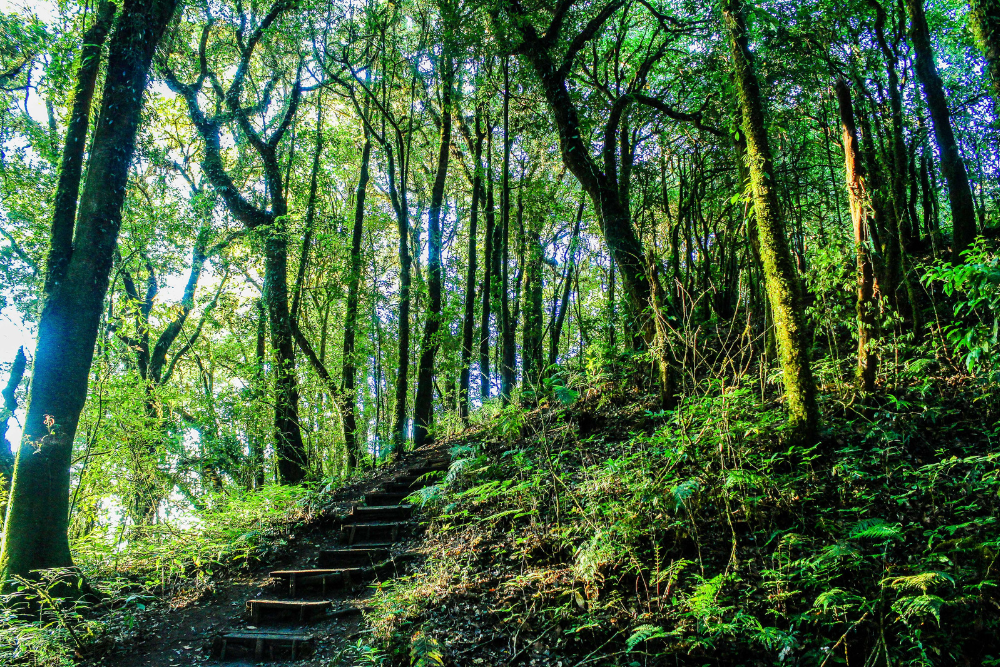
Doi Inthanon National Park is home to Thailand’s highest peak, Doi Inthanon, which reaches an elevation of 2,565 meters. This park, located in Chiang Mai province, offers diverse ecosystems ranging from lowland forests to alpine zones, making it a haven for various flora and fauna. Known as “The Roof of Thailand,” Doi Inthanon provides stunning vistas, waterfalls, and unique wildlife.
Wildlife Highlights: Doi Inthanon is famous for its birdlife, with over 360 species recorded, making it one of Thailand’s premier birdwatching destinations. You may also encounter mammals such as gibbons, deer, and the elusive Asiatic black bear in the park’s higher elevations.
Popular Attractions: The two chedis, or pagodas, dedicated to the King and Queen of Thailand, are situated near the summit and offer panoramic views. The park’s waterfalls, including Wachirathan and Siriphum Falls, are popular spots, especially during the rainy season when the water flow is at its peak.
Best Time to Visit: From November to February, the weather is cool and misty, creating a magical atmosphere. In January and February, cherry blossoms bloom, adding vibrant colors to the landscape.
Conservation Efforts: Doi Inthanon National Park is part of ongoing research and conservation projects aimed at protecting high-altitude ecosystems, as well as the indigenous flora and fauna unique to the region.
3. Kaeng Krachan National Park: Thailand’s Largest National Park
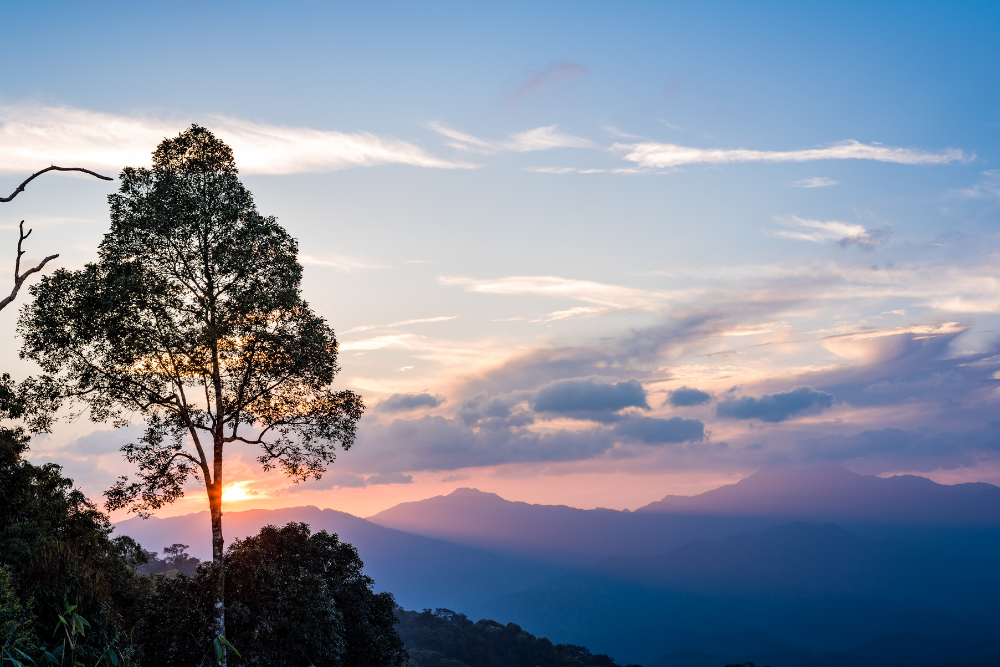
Covering nearly 3,000 square kilometers along the Myanmar border, Kaeng Krachan National Park is Thailand’s largest national park. Known for its misty mountains, dense rainforests, and vast reservoirs, Kaeng Krachan is home to a rich diversity of wildlife, including many rare and endangered species.
Wildlife Highlights: Kaeng Krachan is one of the best places in Thailand to see rare species like the clouded leopard, Malayan sun bear, and Asiatic black bear. The park is also a prime spot for birdwatching, with over 400 species, including hornbills, eagles, and broadbills.
Popular Attractions: One of the park’s highlights is the Pala-U Waterfall, which cascades down multiple levels and is surrounded by lush jungle. Birdwatchers and photographers flock to Ban Krang Camp and Phanoen Thung for a chance to observe unique bird species. The mist-covered hills in the early mornings are a breathtaking sight.
Best Time to Visit: November to April is the best time for wildlife viewing, as the dry season provides better conditions for exploring trails and spotting animals.
Conservation Efforts: Kaeng Krachan National Park is crucial for biodiversity conservation, and ongoing efforts aim to protect the habitat of threatened species, including the protection of water resources and forest preservation initiatives.
4. Erawan National Park: Famous for Its Iconic Waterfalls
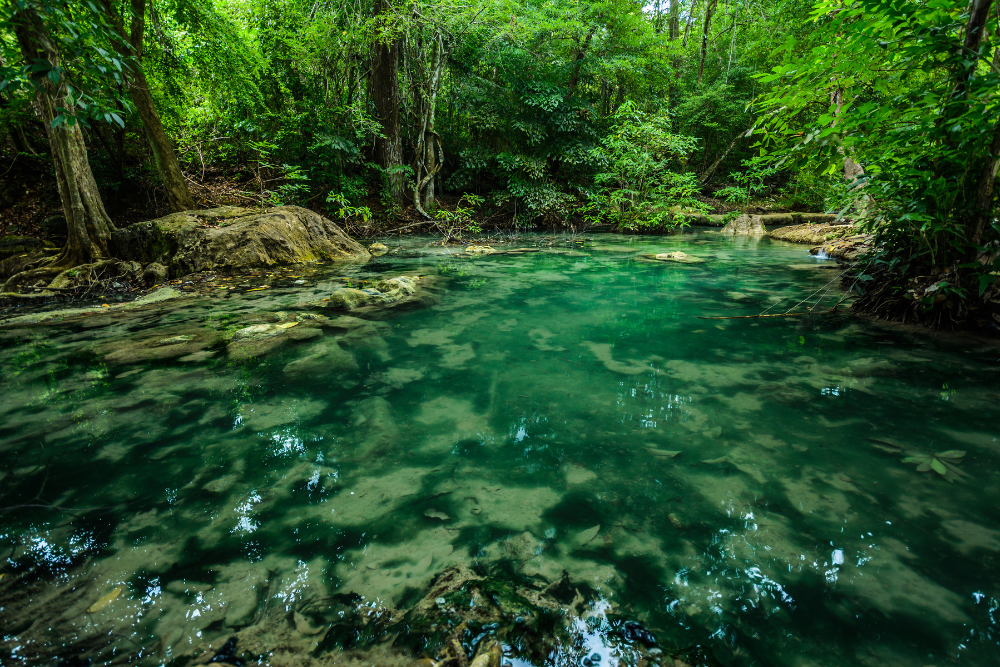
Located in Kanchanaburi Province, Erawan National Park is best known for its stunning seven-tiered Erawan Waterfall, which resembles the three-headed elephant from Hindu mythology. The park’s limestone hills, caves, and lush forests provide a unique setting for hiking, wildlife spotting, and photography.
Wildlife Highlights: While Erawan is primarily known for its waterfalls, it also hosts diverse wildlife, including monkeys, monitor lizards, and rare bird species. At dawn and dusk, you may spot sambar deer and wild boar near the park’s quieter areas.
Popular Attractions: Erawan Waterfall is the main attraction, with seven tiers, each offering pools for swimming and beautiful cascades. Visitors can also explore Phartat Cave, a limestone cave with fascinating stalactites and stalagmites.
Best Time to Visit: The rainy season, from May to October, brings the waterfalls to life, making them even more impressive. However, the dry season from November to February offers pleasant weather and is less crowded.
Conservation Efforts: Erawan National Park plays an essential role in preserving Thailand’s freshwater ecosystems. Park authorities focus on maintaining clean water sources, protecting forested areas, and educating visitors on conservation.
5. Khao Sok National Park: Lush Rainforests and Limestone Cliffs
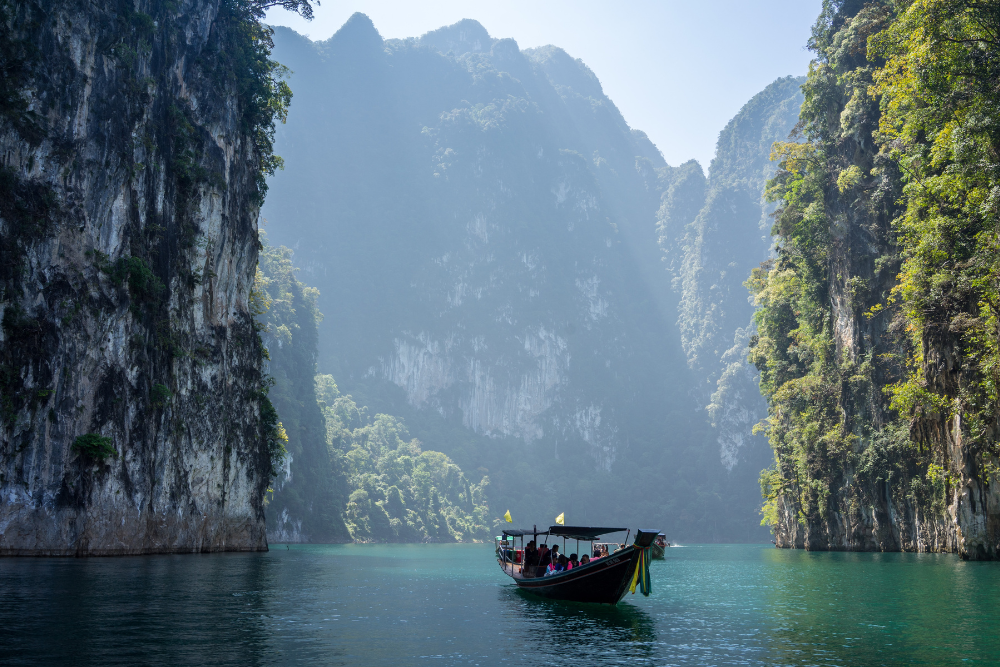
Khao Sok National Park, located in Surat Thani Province, is known for its dramatic limestone karsts, dense rainforests, and the stunning Cheow Lan Lake. The park is one of the oldest rainforests in the world, providing shelter for diverse wildlife and plant species, some of which are endemic to the area.
Wildlife Highlights: Khao Sok is home to various wildlife, including elephants, tapirs, hornbills, and even tigers, although they are rarely seen. The park’s waterways are inhabited by freshwater fish, and the rainforest is a paradise for reptile and insect enthusiasts.
Popular Attractions: Cheow Lan Lake, with its floating raft houses and limestone cliffs, is a must-visit. The lake offers boat tours, kayaking, and overnight stays in floating bungalows. For those interested in jungle trekking, trails lead to viewpoints, waterfalls, and unique flora, including the rare Rafflesia flower.
Best Time to Visit: December to April offers the best conditions, with lower rainfall and clearer waters. The rainy season (May to October) is also beautiful, with the rainforest at its most vibrant, but trails may be muddy and challenging.
Conservation Efforts: Khao Sok’s conservation efforts include habitat restoration, anti-poaching programs, and eco-tourism initiatives that support local communities and promote sustainable tourism.
6. Thung Salaeng Luang National Park: Thailand’s Serengeti
Thung Salaeng Luang National Park, located in northern Thailand, is known for its vast savannah-like grasslands and pine forests, giving it the nickname “Thailand’s Serengeti.” The park’s landscapes are unique compared to other Thai national parks, and it’s home to diverse wildlife, particularly large herbivores and migratory birds.
Wildlife Highlights: The park is known for sightings of deer, wild boar, and occasionally Asian elephants and leopards. Birdwatchers will enjoy the diverse avian species, including the rare Siamese fireback and various raptors.
Popular Attractions: The Thung Nang Phaya Pine Forest is a beautiful area with a peaceful atmosphere, perfect for camping and hiking. The scenic Kaeng Sopha Waterfall is another popular attraction, particularly during the rainy season when the flow is strong.
Best Time to Visit: October to February is ideal, as the cooler weather and clear skies enhance the park’s scenic beauty. During this period, wildflowers bloom across the grasslands, creating a vibrant landscape.
Conservation Efforts: Thung Salaeng Luang’s conservation projects focus on protecting its unique grasslands and pine forests, as well as promoting sustainable tourism practices that minimize the impact on wildlife.
7. Mu Ko Similan National Park: Pristine Marine Ecosystems
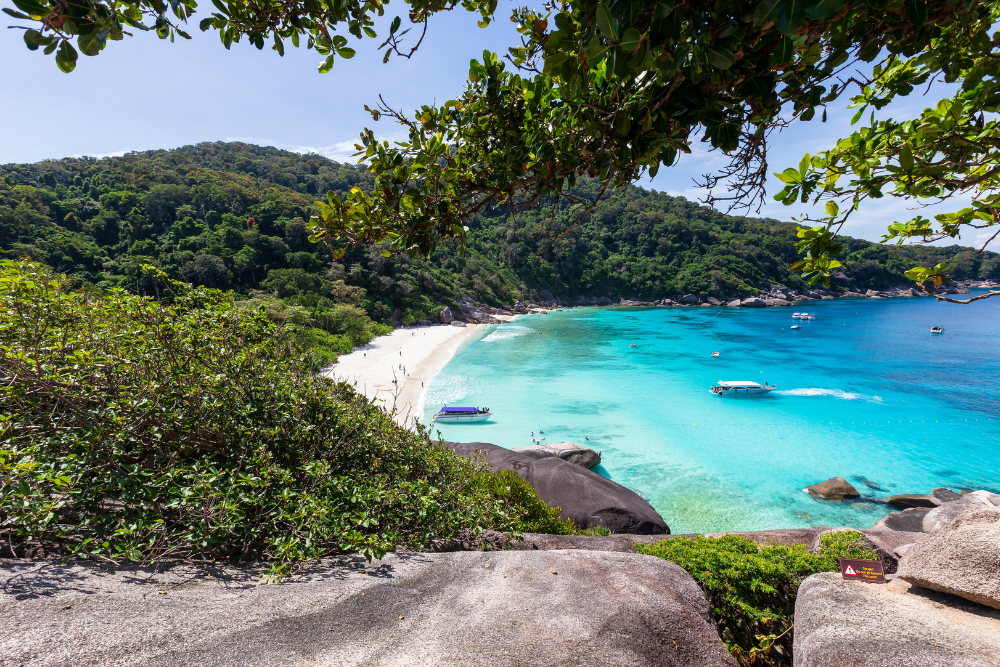
Mu Ko Similan National Park, located in the Andaman Sea, is renowned for its stunning underwater ecosystems, making it a top destination for divers. The park comprises 11 islands, each with white sandy beaches, crystal-clear waters, and vibrant coral reefs. While it’s famous for marine life, the islands also feature unique granite formations and lush coastal forests.
Wildlife Highlights: The Similan Islands are home to diverse marine species, including sea turtles, manta rays, and whale sharks. On land, you may spot monitor lizards and various bird species.
Popular Attractions: The underwater landscapes are the main attraction, with popular dive sites like Richelieu Rock and Elephant Head Rock. The islands themselves offer beautiful beaches and hiking trails with panoramic viewpoints.
Best Time to Visit: The park is open from October to May, with the best conditions for diving from November to April.
Conservation Efforts: Mu Ko Similan is part of a strict conservation program aimed at protecting coral reefs and marine life. Regulations limit the number of visitors, and the park has introduced eco-friendly practices to minimize environmental impact.
Conclusion
Thailand’s national parks offer an incredible variety of landscapes and wildlife, providing valuable refuges for endangered species and unique ecosystems. From the misty mountains of Kaeng Krachan to the marine biodiversity of the Similan Islands, each park offers distinct experiences for nature enthusiasts and plays a crucial role in Thailand’s conservation efforts. Whether you’re seeking encounters with iconic wildlife or exploring rare plant species, Thailand’s national parks promise unforgettable journeys into the heart of Southeast Asia’s natural beauty.