


Germany is a country rich in history, heritage, and artistic expression. From medieval castles to cutting-edge modern art, the country is brimming with cultural landmarks and artistic traditions. Whether you are an art connoisseur, a history buff, or simply someone who loves to explore unique exhibitions, Germany offers a wealth of destinations that celebrate creativity in all its forms. Here are some of the best cities in Germany for art and culture lovers to explore.
1. Berlin: A Modern Cultural Powerhouse
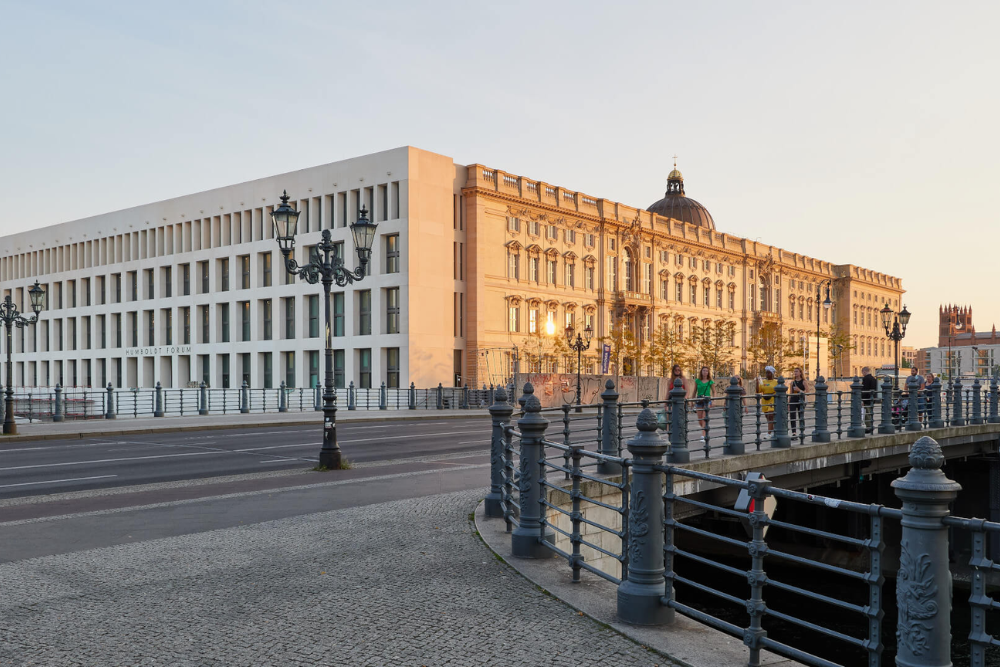
Berlin is undoubtedly one of the most culturally vibrant cities in Europe, offering a mix of historical monuments, contemporary art spaces, and a thriving cultural scene. The city is a haven for art lovers, blending its rich history with modern innovation.
Key Highlights:
- Museum Island: A UNESCO World Heritage site, this island in the heart of Berlin is home to five world-class museums, including the Pergamon Museum, which houses some of the most famous collections from antiquity.
- East Side Gallery: The longest remaining stretch of the Berlin Wall has been transformed into an open-air gallery, with murals by artists from all over the world. It’s a unique way to experience the city’s history through the lens of contemporary art.
- Berlinische Galerie: This museum is dedicated to modern art, with works from Berlin-based artists spanning the 20th and 21st centuries.
- Berlin Philharmonic: For classical music lovers, a visit to this world-renowned orchestra is an absolute must.
Berlin is constantly evolving, with new galleries, street art, and festivals enriching its cultural landscape every year.
2. Munich: A Blend of Tradition and Innovation
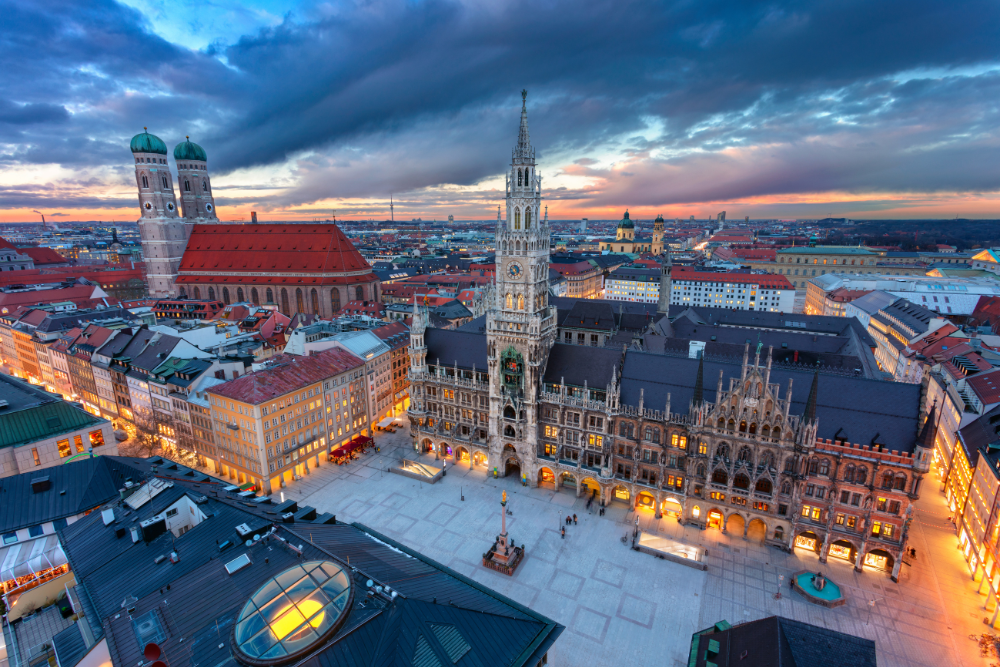
Munich is a city that perfectly balances its Bavarian traditions with contemporary artistic expression. Known for its historic architecture and cultural institutions, Munich is a city that celebrates both the old and the new.
Key Highlights:
- Alte Pinakothek: This museum is one of the oldest and most important art museums in the world, housing a collection of European paintings from the Middle Ages to the Rococo period.
- Pinakothek der Moderne: If you’re a fan of modern art, this museum is a must-see. It showcases contemporary art, design, and architecture, with pieces from major 20th and 21st-century artists.
- Deutsches Museum: For those interested in the history of science and technology, this museum offers a fascinating look at Germany’s contributions to these fields.
- The Residenz: This former royal palace is a prime example of Bavarian Baroque and Renaissance architecture, and it’s home to the Cuvilliés Theatre, a stunning rococo-style opera house.
Munich also plays host to numerous festivals, including the Oktoberfest, where culture and tradition collide in one of the world’s most famous celebrations.
3. Düsseldorf: A Modern Art Capital
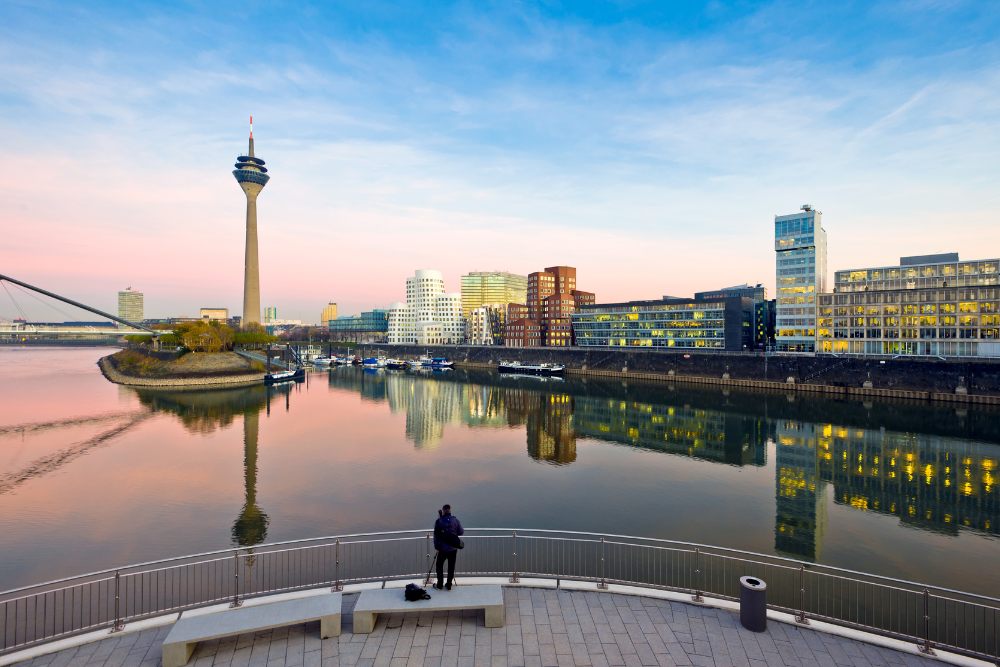
Düsseldorf, while perhaps less well-known than some of Germany’s other cultural hubs, is a city with a burgeoning art scene. Known as Germany’s “capital of contemporary art,” Düsseldorf boasts a variety of modern art galleries and institutions, as well as a reputation for innovative design.
Key Highlights:
- Kunstsammlung Nordrhein-Westfalen: This museum is a must for contemporary art lovers, with its collection of modern and post-modern works by artists such as Andy Warhol, Joseph Beuys, and Pablo Picasso.
- K20 and K21: Located in two distinct buildings, these modern art museums feature contemporary artists from the 20th and 21st centuries. The museums are famous for their cutting-edge exhibitions and installations.
- MedienHafen: This district is a showcase of modern architecture and design, featuring works from renowned architects like Frank Gehry. It’s also home to several art galleries.
- Düsseldorf’s Altstadt (Old Town): While not necessarily an art destination, the historic district is packed with bars, restaurants, and galleries where you can experience the local culture and creativity.
The city’s international art fairs, including Art Düsseldorf, attract art lovers from all over the world, adding to the city’s reputation as a cultural powerhouse.
4. Leipzig: The City of Art and Music
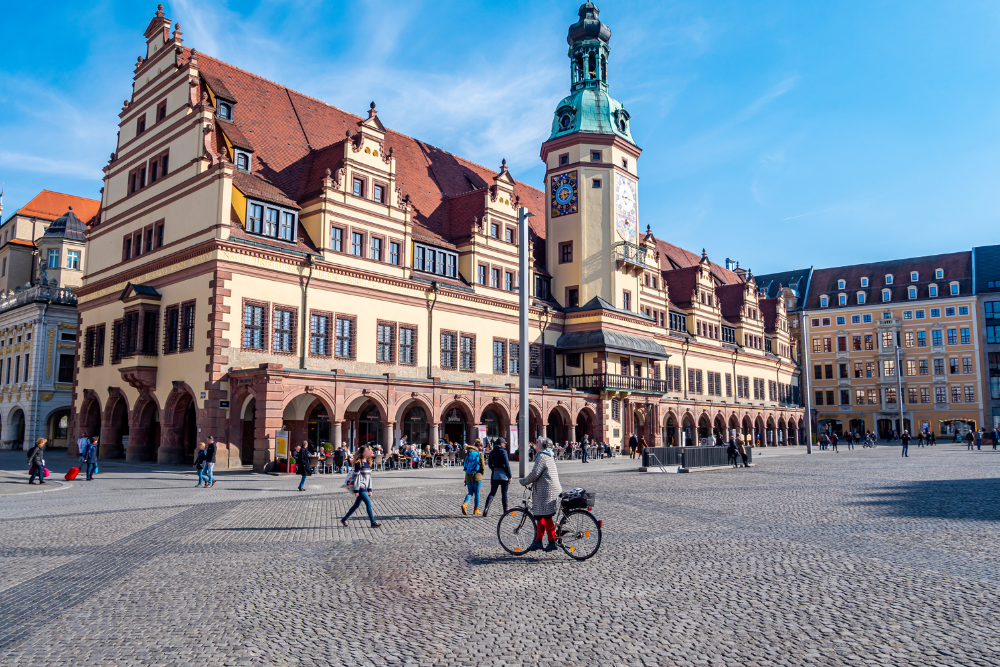
Leipzig, once known for its rich musical history, has become a hotbed for young artists, musicians, and creatives. The city has a lively, alternative art scene and has a long-standing tradition of nurturing talented individuals.
Key Highlights:
- Leipzig’s Museum of Fine Arts (Museum der Bildenden Künste): This museum houses an impressive collection of works from the Middle Ages to contemporary art, with an emphasis on German and European art.
- Grassimuseum: One of the oldest museums in the city, it houses collections in the fields of applied arts, musical instruments, and ethnography.
- Thomaskirche: For music lovers, a visit to St. Thomas Church, where Johann Sebastian Bach worked for most of his life, is a must. The church is home to the famous Thomanerchor choir, and visitors can enjoy Bach’s works performed regularly.
- Spinnerei: Once an industrial site, this massive former cotton mill has been transformed into an artist hub. It’s home to dozens of galleries, studios, and exhibition spaces, making it one of the most exciting spots in the city.
Leipzig’s artistic vibe is further enhanced by its vibrant street art scene and the many festivals held throughout the year, including the Leipzig Art Festival and the Wave-Gotik-Treffen, a major gathering of Gothic subculture enthusiasts.
5. Cologne: A City of Art and Architecture
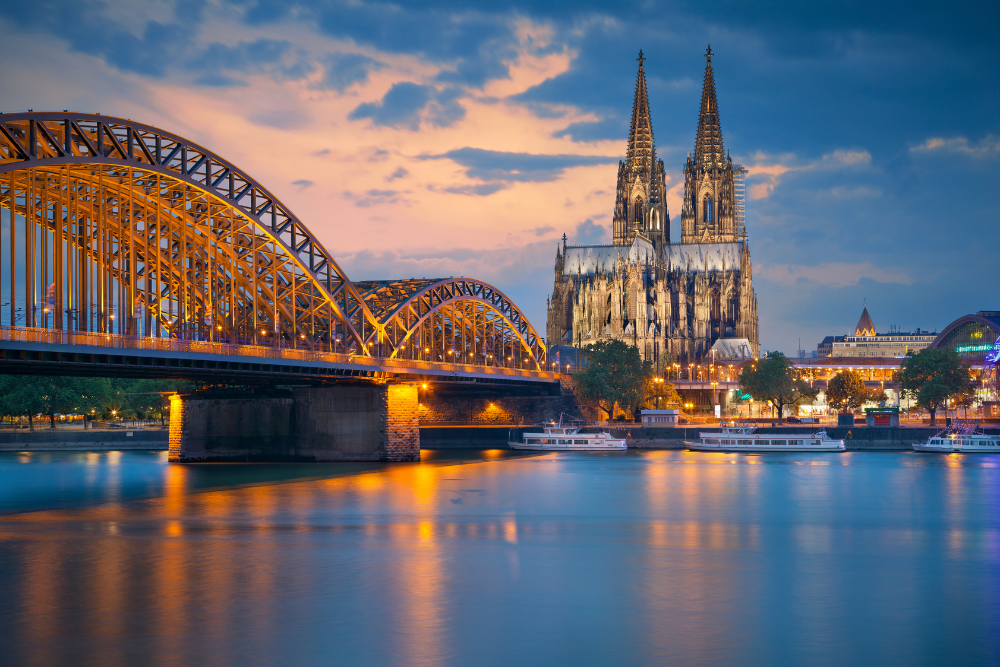
Cologne is one of Germany’s oldest cities, and its rich history is reflected in its exceptional collection of art and architecture. The city’s blend of medieval structures and modern art spaces makes it a fascinating destination for culture lovers.
Key Highlights:
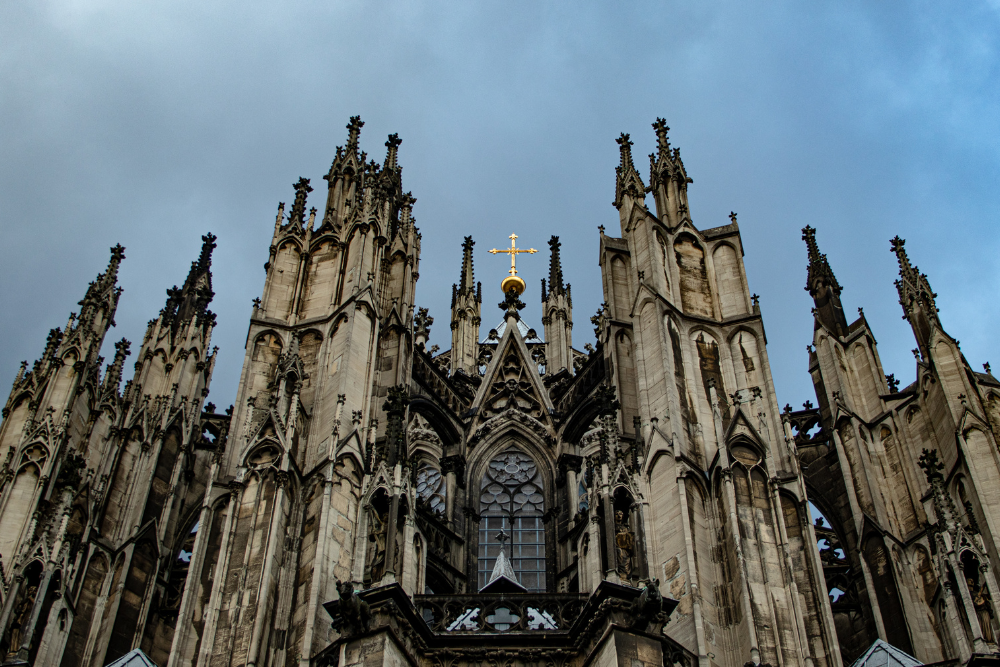
- Cologne Cathedral (Kölner Dom): This Gothic masterpiece is the most iconic landmark in Cologne, and it’s also a UNESCO World Heritage site. Its stunning architecture and intricate interiors make it one of the most visited attractions in Germany.
- Museum Ludwig: This museum is home to an impressive collection of modern art, with works by Picasso, Warhol, and Lichtenstein. It’s one of the most significant art museums in Germany.
- Roman-Germanic Museum: Located right next to the Cathedral, this museum explores Cologne’s ancient Roman past, showcasing artifacts from the Roman era.
- NS Documentation Centre: This museum provides a sobering look at the history of the National Socialist regime and its impact on the city of Cologne.
Cologne is also known for its vibrant carnival celebrations and its position as a major center for theater, music, and dance performances.
Conclusion
Germany is home to some of the most culturally rich and artistically vibrant cities in Europe. Whether you are drawn to the cutting-edge galleries of Berlin and Düsseldorf, the classical museums of Munich and Cologne, or the musical heritage of Leipzig, Germany offers a wide range of destinations for every type of art and culture lover. Each city brings its own unique flavor to the country’s artistic and cultural scene, ensuring that you’ll find something to suit your interests no matter where you go. So pack your bags, and prepare to explore the best of German art, history, and culture!