


Introduction
Scandinavia, a region encompassing Norway, Sweden, and Denmark (and often including Finland and Iceland), is a destination of unparalleled beauty and cultural richness. It offers travelers the chance to explore majestic fjords, ancient Viking history, vibrant cities, and pristine wilderness. However, the timing of your visit can significantly impact your experience, as each season brings unique opportunities and challenges.
In this guide, we delve into each season, helping you decide the best time to visit Scandinavia based on your interests.
Winter (December to February): A Wonderland of Snow and Lights
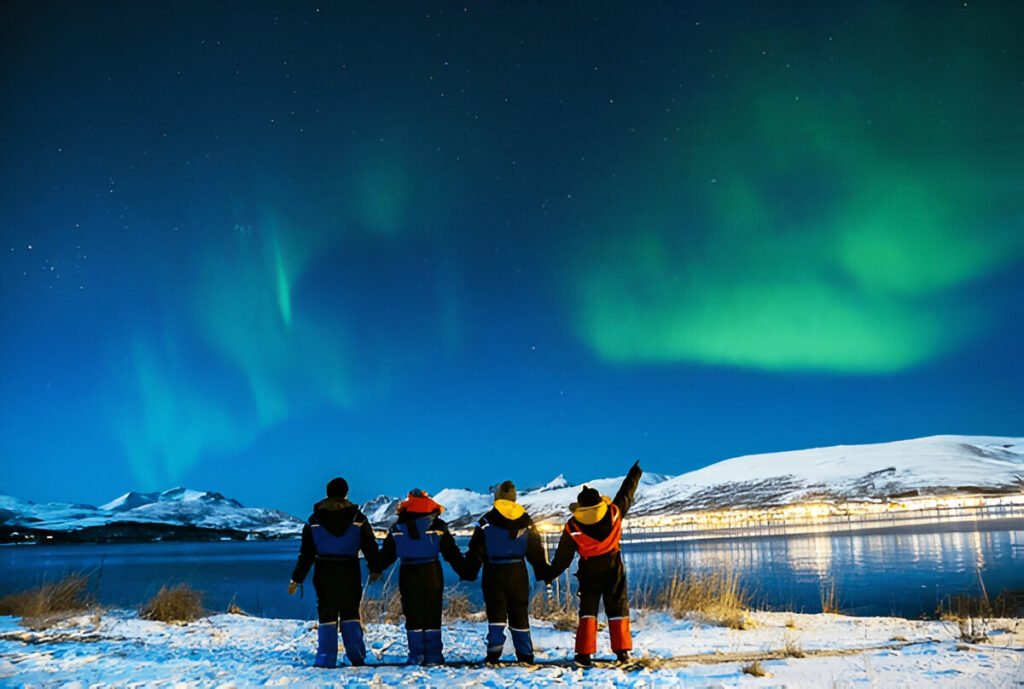
Winter in Scandinavia is synonymous with snow-covered landscapes, festive celebrations, and the awe-inspiring northern lights. Despite the freezing temperatures, it’s a season filled with magical experiences.
- What to Expect
Winter temperatures vary across the region but are generally cold, with averages ranging from -20°C (-4°F) in the Arctic Circle to around 0°C (32°F) in southern cities like Copenhagen and Stockholm. The days are short, especially in northern Scandinavia, where the polar night occurs.
Top Experiences
- Northern Lights: Winter is the best time to see the aurora borealis. Popular destinations include Tromsø (Norway), Abisko (Sweden), and Rovaniemi (Finland).
- Winter Sports: Scandinavia boasts world-class ski resorts, including Åre in Sweden, Hemsedal in Norway, and Levi in Finland. Snowboarding, cross-country skiing, and snowshoeing are also popular.
- Festive Atmosphere: Christmas markets in Copenhagen, Oslo, and Stockholm offer charming decorations, delicious treats, and unique gifts. Santa Claus Village in Rovaniemi is a magical destination for families.
Pros and Cons
- Pros: Unique winter activities, fewer tourists, stunning snowy landscapes.
- Cons: Extremely cold weather, limited daylight hours.
Spring (March to May): A Season of Renewal

Spring is a transformative season in Scandinavia. As the snow melts, rivers and waterfalls surge with newfound vigor, and the countryside bursts into life. Temperatures gradually rise, making outdoor exploration more comfortable.
- What to Expect
Spring weather is unpredictable, with temperatures ranging from -5°C (23°F) in early March to 15°C (59°F) in late May. Snow may linger in northern areas, but southern cities like Copenhagen and Gothenburg experience milder conditions.
- Top Experiences
Melting Fjords: Norway’s fjords, such as Geirangerfjord and Sognefjord, are at their most dramatic during spring thaw. The waterfalls are particularly stunning.
- Wildlife Watching: Spring is an excellent time to spot migratory birds, moose, and reindeer.
- Cultural Events: Easter is celebrated with unique traditions, including Norway’s Påskekrim (reading crime novels) and Swedish egg hunts.
Pros and Cons
- Pros: Vibrant landscapes, fewer tourists, milder weather.
- Cons: Unpredictable weather, some areas still snowbound.
Summer (June to August): The Peak Tourist Season
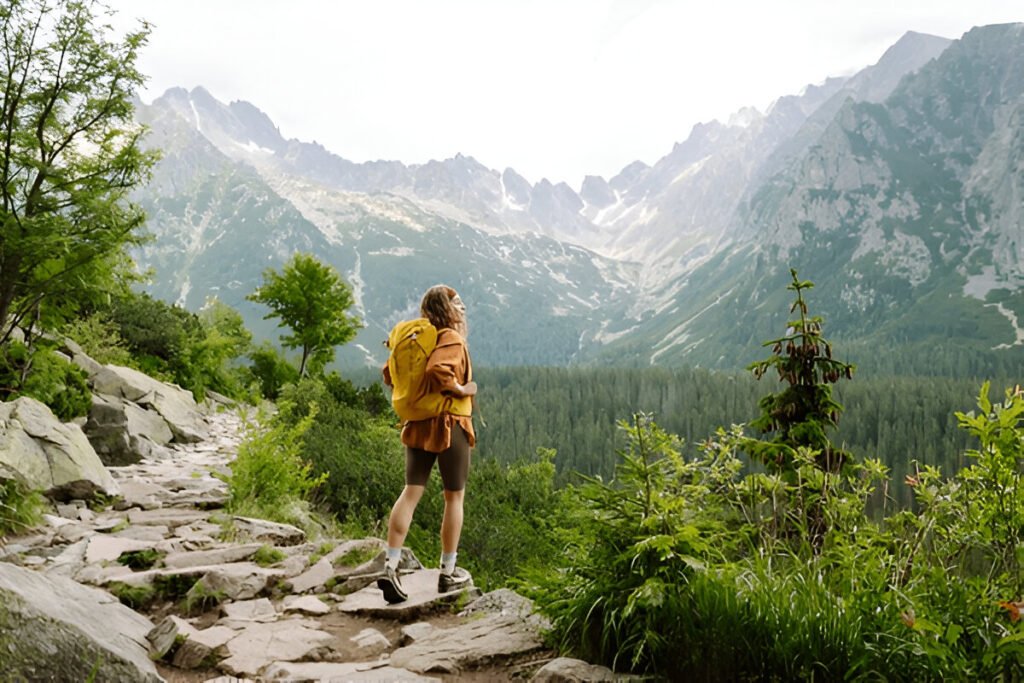
Summer is the most popular time to visit Scandinavia, and for good reason. The weather is warm, the days are long, and the landscapes are lush. This is the season for outdoor enthusiasts and culture lovers alike.
- What to Expect
Temperatures range from 15°C (59°F) in the north to 25°C (77°F) in southern regions. North of the Arctic Circle, you’ll experience the midnight sun, with 24-hour daylight providing endless opportunities for exploration.
- Top Experiences
Midnight Sun: The phenomenon of continuous daylight is best experienced in places like Tromsø, the Lofoten Islands, and Finnish Lapland.
- Outdoor Adventures: Summer is ideal for hiking, biking, kayaking, and camping. Popular hiking trails include the Trolltunga and Preikestolen in Norway and Kungsleden in Sweden.
- Festivals: Midsummer is celebrated with feasts, dancing, and traditional attire. Denmark’s Roskilde Festival and Sweden’s Way Out West are highlights for music lovers.
- City Exploration: Cities like Stockholm, Oslo, and Copenhagen are vibrant, with open-air cafes, lively streets, and numerous cultural events.
Pros and Cons
- Pros: Long days, excellent weather, vibrant cultural events.
- Cons: Crowded tourist spots, higher accommodation prices.
Autumn (September to November): A Palette of Warm Colors
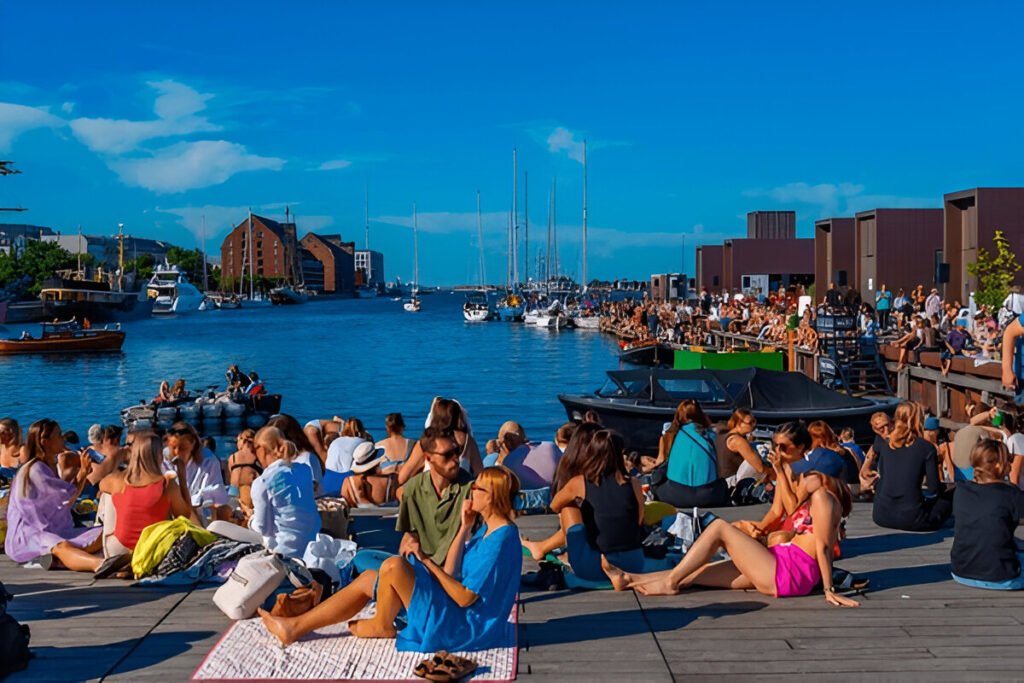
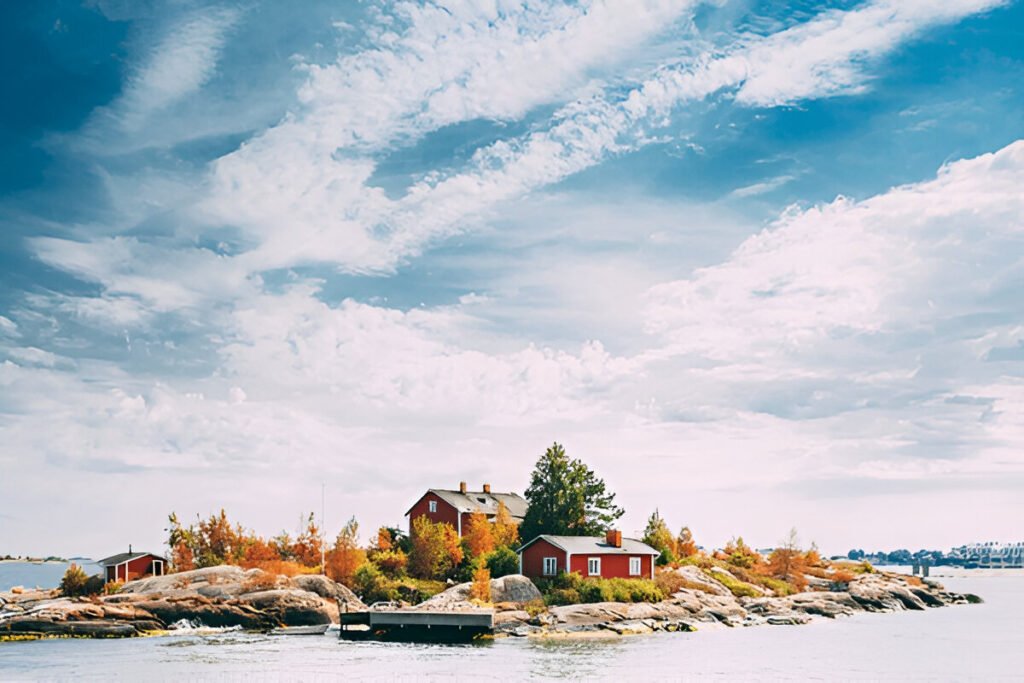
Autumn in Scandinavia is a quieter time, perfect for those seeking a peaceful getaway. The landscapes are painted in warm hues, and the crisp air makes for comfortable exploration.
- What to Expect
Temperatures range from 10°C (50°F) in September to freezing in November. Daylight hours shorten, especially in the north, but the atmosphere is cozy and inviting.
- Top Experiences
Autumn Foliage: Forests in Sweden, Norway, and Finland are spectacular in autumn. Explore the trails around the Hardangervidda Plateau or the forests near Stockholm.
- Harvest Season: Savor seasonal delicacies like mushrooms, berries, and seafood. Many cities host food festivals during this time.
- Northern Lights: By late autumn, the nights are dark enough to spot the aurora borealis again.
- Sauna Culture: As temperatures drop, Scandinavia’s sauna tradition becomes even more appealing, especially in Finland.
Pros and Cons
- Pros: Stunning scenery, fewer tourists, cozy indoor experiences.
- Cons: Shorter days, some attractions close for the season.
Seasonal Recommendations
- For Northern Lights Enthusiasts
The best time to witness the aurora borealis is during winter (December to February) or late autumn (September to November). Visit northern Norway, Sweden, or Finland for optimal viewing conditions.
- For Midnight Sun Seekers
Travel in summer (June to August) to experience the phenomenon of 24-hour daylight. The best destinations include Tromsø, the Lofoten Islands, and Finnish Lapland.
- For Outdoor Adventurers
Summer is ideal for hiking, biking, and water sports, while winter offers skiing and snowboarding. Spring and autumn are great for moderate outdoor activities without the crowds.
- For Budget Travelers
Late autumn and early spring are shoulder seasons with fewer tourists and lower prices. You’ll still enjoy beautiful scenery and cultural experiences, albeit with some limitations.
Planning Your Trip

Packing Tips
- Winter: Thermal layers, insulated jackets, waterproof boots, gloves, and hats.
- Summer: Lightweight clothing, rain gear, comfortable hiking shoes, and sunglasses.
- Spring and Autumn: Layered clothing for fluctuating temperatures, sturdy boots, and rainproof outerwear.
- Transportation
Scandinavia’s transportation system is efficient and reliable. Trains, buses, and ferries connect major cities and tourist destinations. Renting a car is ideal for exploring remote areas.
- Accommodation
From luxurious hotels to cozy cabins and budget hostels, Scandinavia offers a range of accommodations. Book early for summer and winter trips, as these are peak seasons.
Conclusion
Scandinavia is a year-round destination, offering unique experiences in every season. Whether you’re captivated by the northern lights, enchanted by the midnight sun, or eager to explore the vibrant culture and natural beauty, there’s no bad time to visit.
Choose your travel dates based on your interests and the activities you wish to enjoy. With thoughtful planning, your trip to Scandinavia will undoubtedly be an unforgettable adventure.