


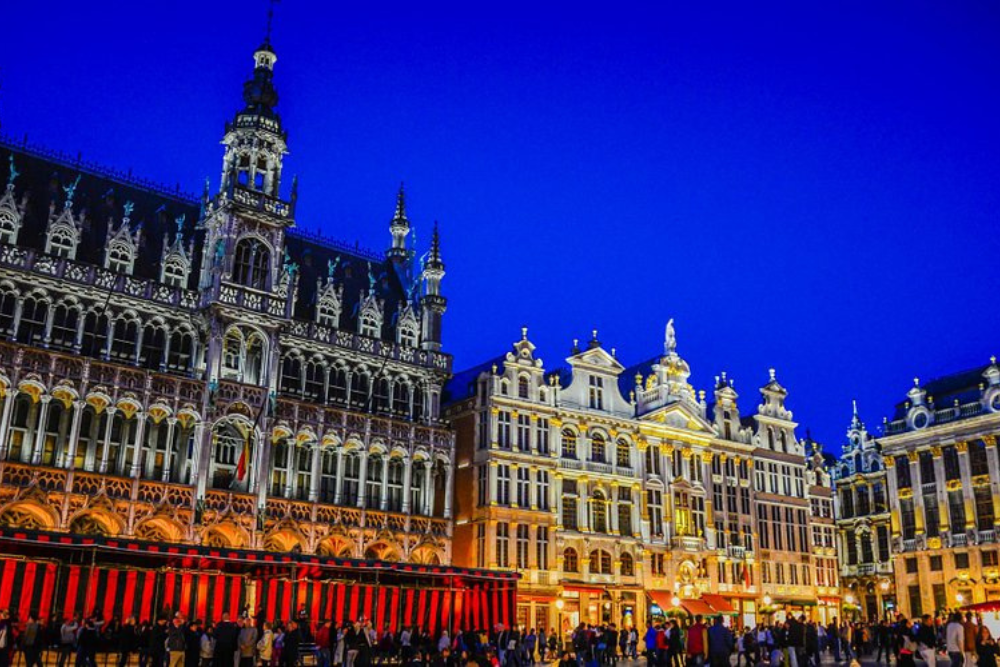
The Grand Place, known as “Grote Markt” in Dutch, stands as the heart of Brussels, Belgium. This iconic square captivates visitors with its breathtaking architecture and vibrant history. As a UNESCO World Heritage site, the Grand Place has witnessed centuries of events, from royal celebrations to political gatherings. Let’s embark on a journey through the history of this magnificent square and uncover what makes it a must-visit destination.
A Historical Overview
The origins of the Grand Place date back to the 12th century when it served as a marketplace for traders and merchants. Initially known as “The Market Square,” it became a hub for commerce and social interaction. Over time, the square evolved into a center for political power and cultural expression.
During the 15th century, the Grand Place began to take on its current form. The city council decided to enhance its appearance by constructing guildhalls and other monumental buildings around the square. These structures showcased ornate facades and intricate designs that reflected the wealth and influence of Brussels at that time.
The Impact of War
The Grand Place faced significant challenges during its history. In 1695, French forces bombarded Brussels, leaving much of the square in ruins. Despite this destruction, the resilience of the city shone through as local guilds and craftsmen quickly rebuilt their guildhalls. This rebuilding effort resulted in even more elaborate designs that define the Grand Place today.
A UNESCO World Heritage Site
In 1998, UNESCO recognized the Grand Place as a World Heritage site due to its exceptional universal value. The square showcases various architectural styles ranging from Gothic to Baroque, making it an outstanding example of European urban planning. Each building tells a story of Brussels’ rich past and cultural heritage.
Architectural Wonders
As you stand in the Grand Place, your eyes are drawn to several remarkable buildings:
1. Town Hall (Hôtel de Ville)
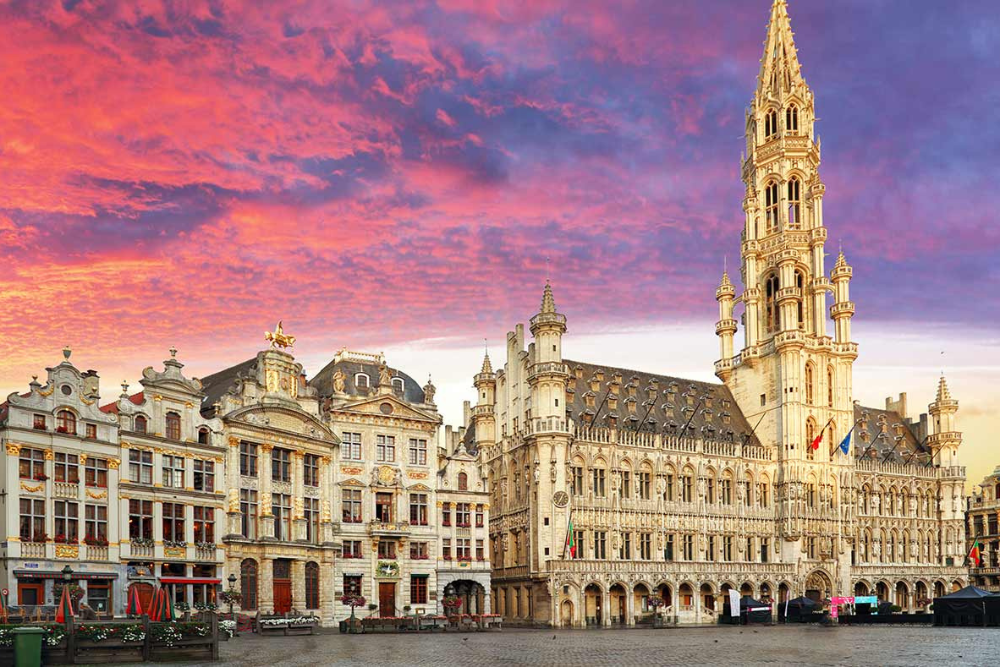
The Town Hall towers over the square with its impressive Gothic spire reaching 96 meters (315 feet) high. Constructed between 1402 and 1455, it features intricate stone carvings and stunning stained glass windows. The Town Hall serves as a symbol of Brussels’ power and authority throughout history.
2. King’s House (Maison du Roi)
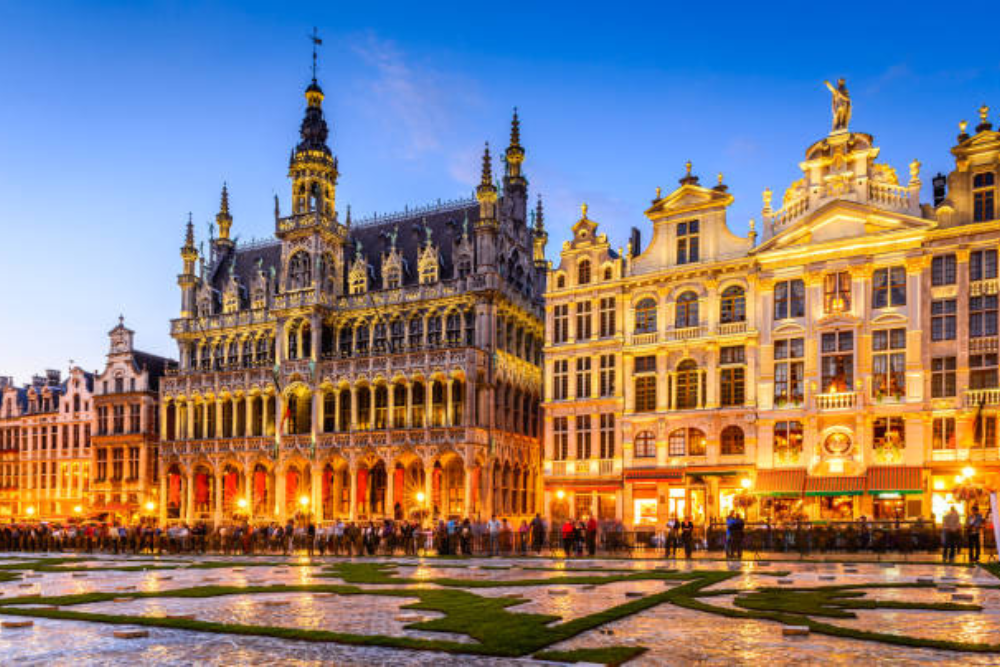
Opposite the Town Hall lies the King’s House, also known as Maison du Roi. Originally built in the late Gothic style in the 15th century, it served as a bread market before becoming a royal palace in later years. Today, it houses the Museum of the City of Brussels, where visitors can explore exhibitions detailing Brussels’ past.
3. Guildhalls
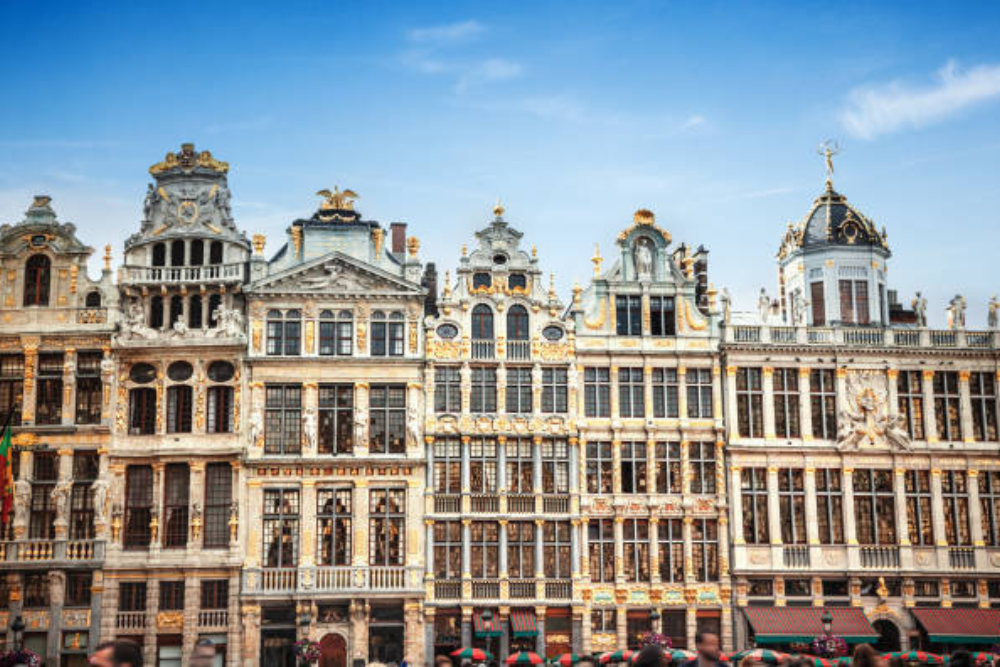
Surrounding the square are beautifully decorated guildhalls representing various trades such as bakers, brewers, and goldsmiths. Each guildhall boasts unique architectural features and intricate sculptures that reflect its specific trade’s history and significance within Brussels.
Events at the Grand Place
The Grand Place has long been a stage for significant events in Brussels’ history:
1.Flower Carpet
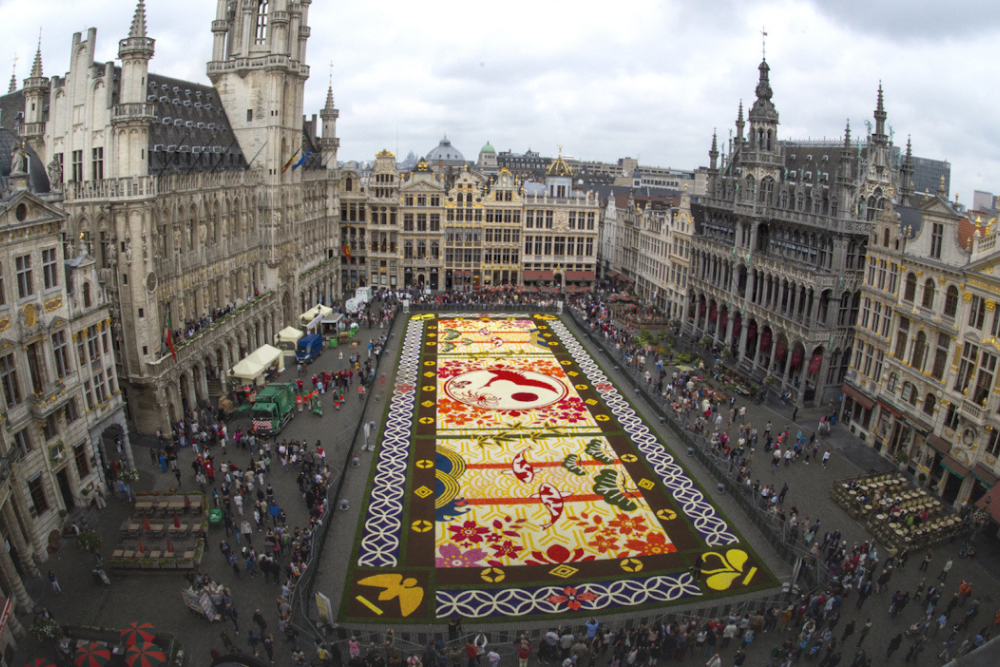
Every two years in August, visitors flock to see the Flower Carpet event—a stunning display of colorful flowers arranged into intricate patterns covering the square. This tradition began in 1971 and has since become one of Brussels’ most beloved events.
2.National Day Celebrations
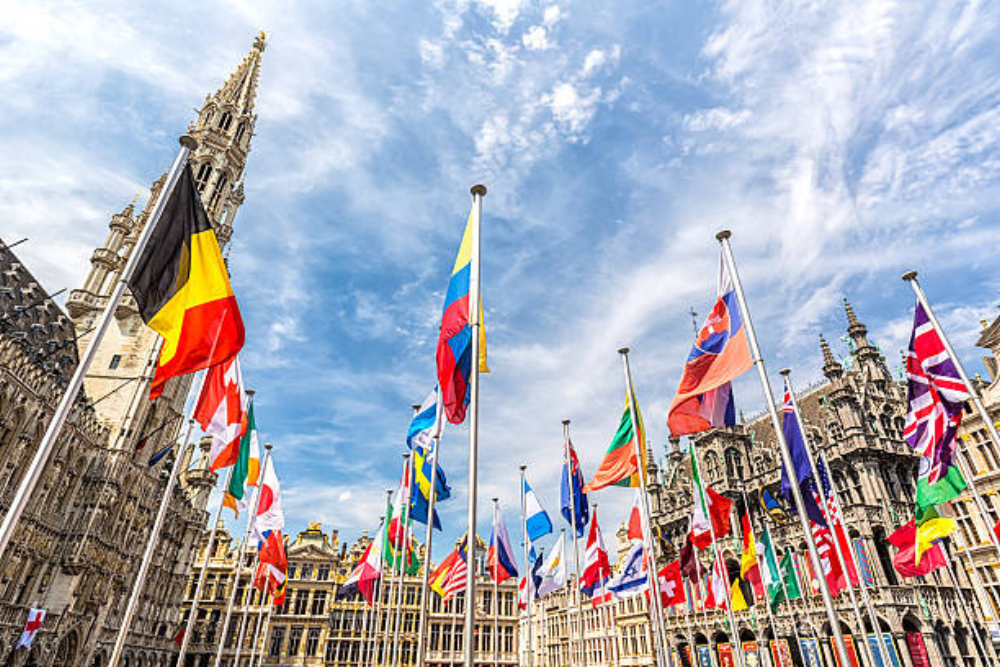
On July 21st, locals gather at the Grand Place to celebrate Belgium’s National Day with parades, fireworks, and festivities that showcase Belgian culture and pride.
3.Christmas Market
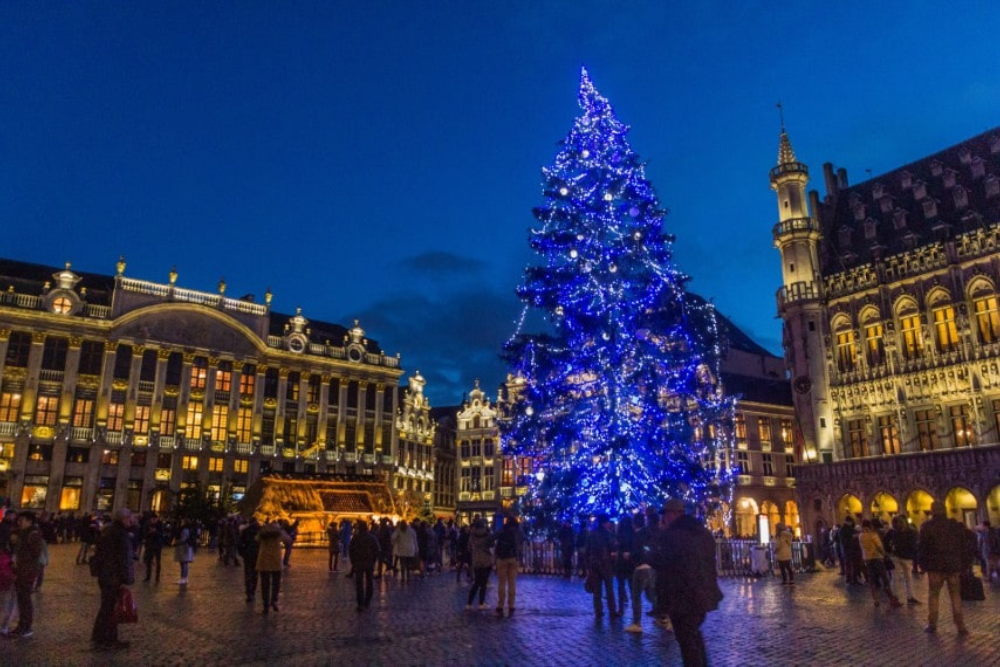
During winter months, the Grand Place transforms into a magical Christmas market filled with festive lights, decorations, and delicious treats like mulled wine and waffles. It becomes a vibrant gathering place for locals and tourists alike.
Visiting Tips
– Best Time to Visit: Early morning or late afternoon provides fewer crowds for exploring.
– Guided Tours: Consider joining a guided tour to learn more about each building’s history.
– Photography: Capture stunning photos at various times of day—the square looks breathtaking at night when illuminated.
– Accessibility: The Grand Place is easily accessible by public transport; several metro stations are nearby.
Conclusion
The Grand Place stands not only as an architectural marvel but also as a testament to Brussels’ rich history and cultural heritage. From its humble beginnings as a marketplace to its current status as one of Europe’s most beautiful squares, every corner tells a story waiting to be discovered.