


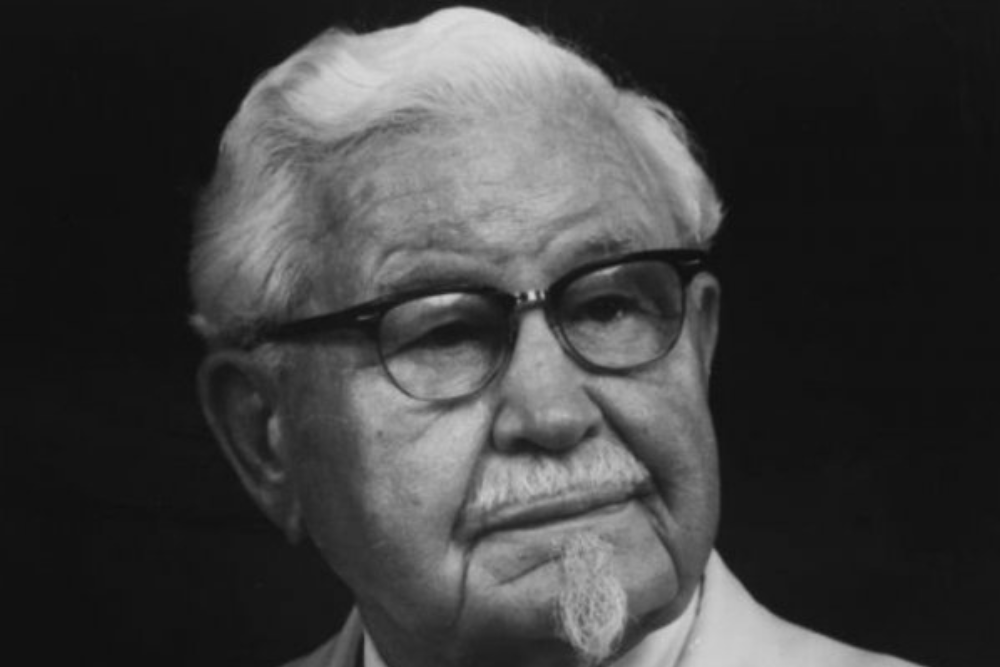

Kentucky, a state rich in history and culture, is famous for its rolling bluegrass hills, horse racing, and, of course, its fried chicken. One of the most iconic contributions to American cuisine from this state is Kentucky Fried Chicken (KFC). The story of KFC intertwines with the history of Kentucky, showcasing how local traditions can shape global culinary phenomena.
The Birth of Kentucky

Kentucky became a state in 1792, born from the western frontier of Virginia. Early settlers brought diverse culinary influences, including Southern cooking traditions that emphasised hearty, flavorful dishes. As the state developed, so did its agricultural economy. Corn, wheat, and livestock thrived in Kentucky’s fertile soil, laying the groundwork for a rich food culture.
In the early 20th century, the state gained fame for its exceptional fried chicken. Many families developed their own recipes, often passed down through generations. The combination of local ingredients and unique spices made Kentucky’s fried chicken stand out.
Colonel Sanders and the Birth of KFC
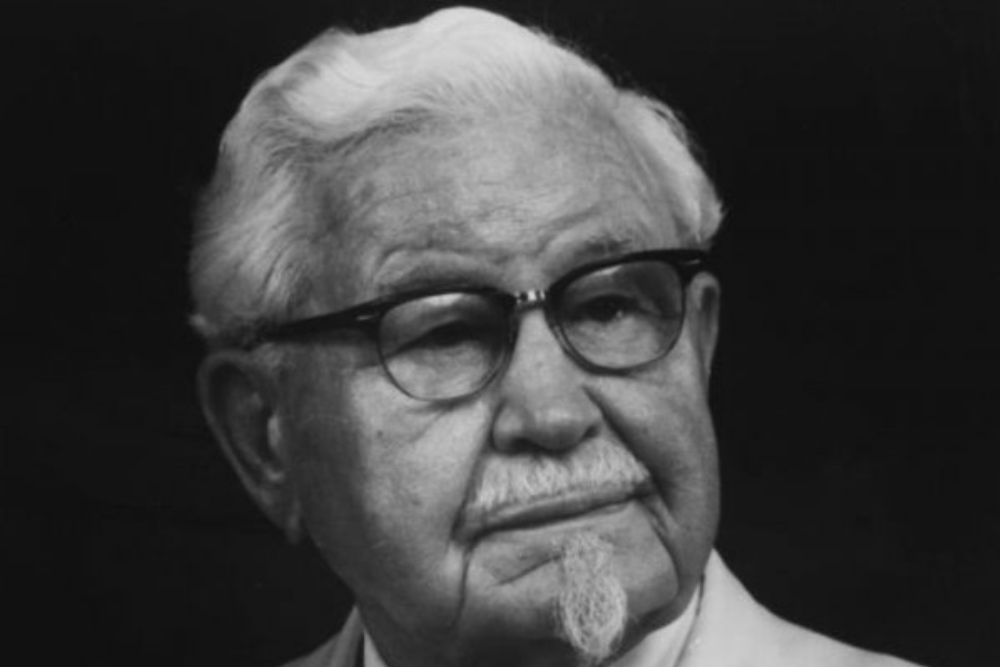
In 1930, Harland Sanders began his journey as a businessman by opening a service station in Corbin, Kentucky. He served meals to travellers at his station while perfecting his fried chicken recipe. Sanders added a secret blend of 11 herbs and spices to his chicken, creating a flavour that would become legendary.
By 1936, Sanders earned the title “Colonel” from the state of Kentucky for his contributions to the state’s cuisine. This title would become synonymous with his brand. In 1940, he opened a restaurant called Sanders Court & Café in Corbin, where he served his famous fried chicken to an ever-growing clientele.
The Rise of KFC
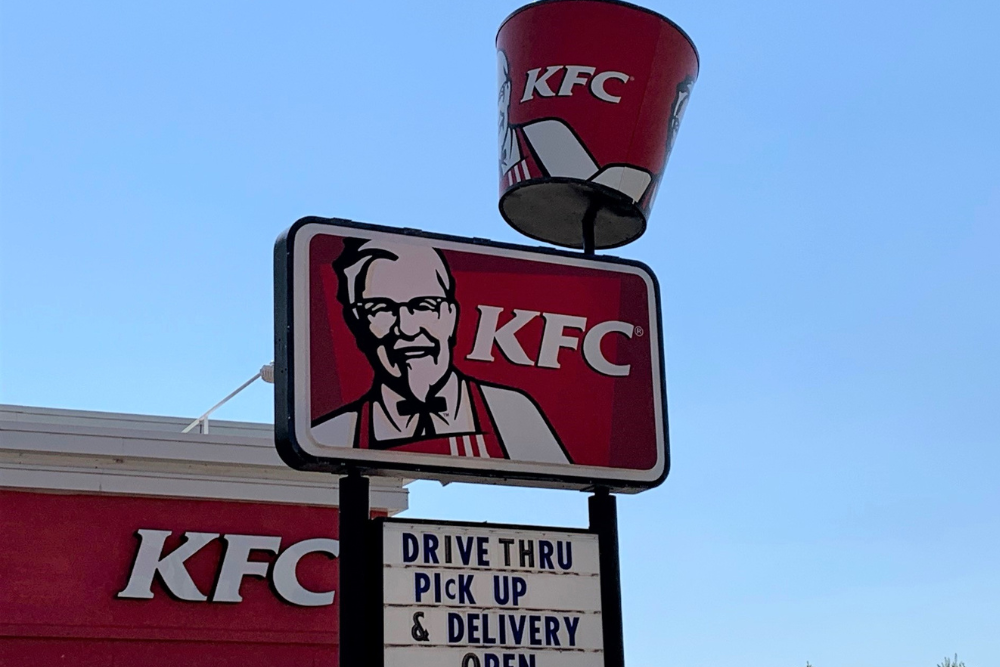
The post-World War II era brought significant changes to American society. Families sought convenient dining options as they became busier with work and life. Recognizing this trend, Sanders began franchising his chicken business in 1952. He traveled across the country to promote his brand and share his secret recipe with franchisees.
The first official KFC franchise opened in Salt Lake City, Utah. The brand quickly gained popularity due to its unique flavor and convenient take-out options. Sanders became a recognizable figure as he starred in advertisements and public appearances, promoting his beloved fried chicken.
Expansion and Global Reach
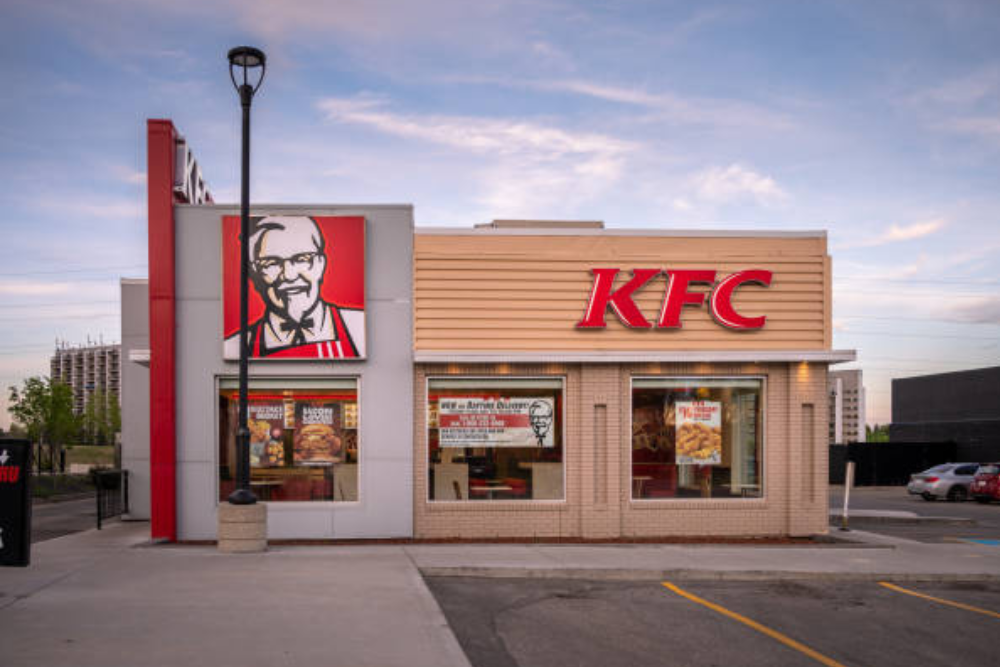
KFC’s success surged throughout the 1960s and 1970s. The brand expanded rapidly across the United States and ventured into international markets. In 1965, KFC opened its first location outside the U.S. in Canada. Today, KFC operates in over 150 countries worldwide, serving millions of customers daily.
Despite its global reach, KFC remains rooted in its Kentucky origins. The brand honors Colonel Sanders’ legacy by using high-quality ingredients and maintaining strict cooking standards across all locations.
A Cultural Icon
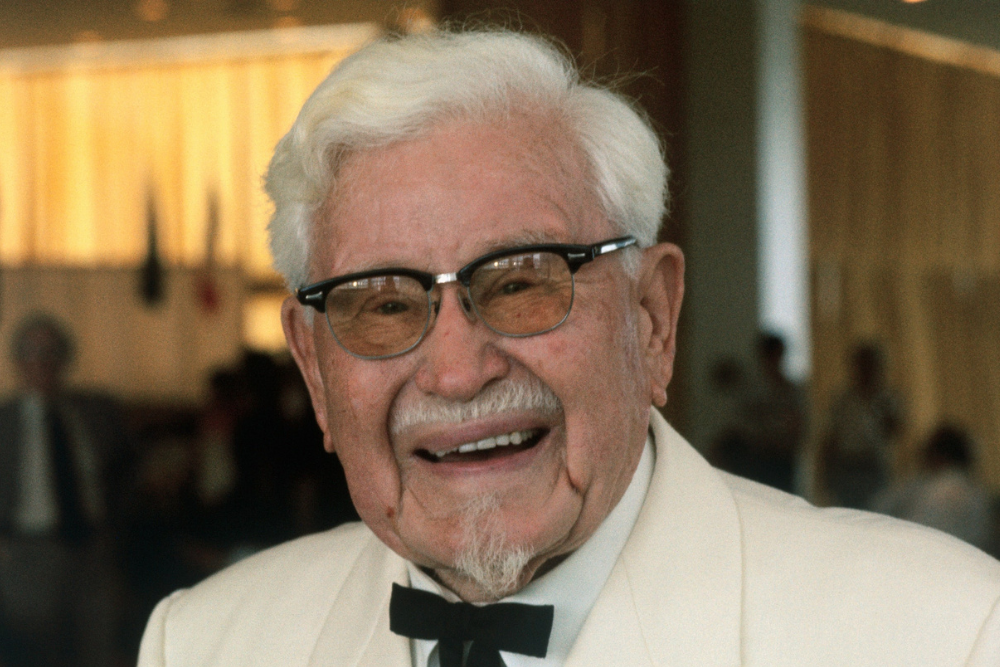
KFC and Colonel Sanders has become more than just a fast-food restaurant; it represents a slice of American culture. Its signature bucket of chicken evokes nostalgia for family gatherings and celebrations. The brand’s marketing campaigns often highlight its Southern roots while appealing to diverse audiences around the world.
In recent years, KFC has embraced innovation by introducing new menu items inspired by local flavours in various countries while keeping its core offerings intact. This adaptability allows KFC to remain relevant in an ever-changing culinary landscape.
Conclusion
The history of Kentucky is deeply intertwined with that of KFC. From Colonel Sanders’ humble beginnings in Corbin to becoming an international fast-food giant, KFC has captured hearts—and taste buds—around the world. It showcases how regional cuisine can evolve into something much larger than itself while still honoring its roots. Today, when people think of KFC’s crispy fried chicken served in that iconic bucket, they also celebrate Kentucky’s rich culinary heritage—a delicious legacy that continues to thrive.