

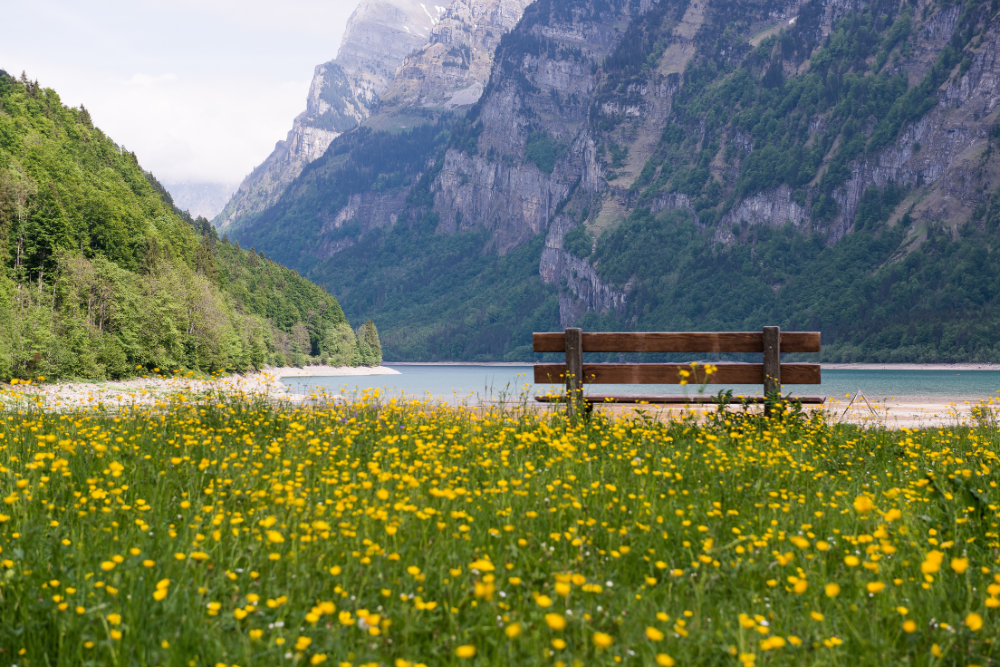

Switzerland is home to some of the cleanest and most beautiful lakes and rivers in the world. From the crystal-clear waters of Lake Geneva to the turquoise brilliance of the Aare River, the country’s water bodies are not only breathtaking but also remarkably pure. But what makes Swiss lakes and rivers so pristine?
The answer lies in a combination of geology, glacial activity, water management, and environmental policies. In this article, we explore the scientific reasons behind Switzerland’s exceptionally clean lakes and rivers, uncovering the natural and human factors that contribute to their purity.
1. The Role of Glaciers in Water Purity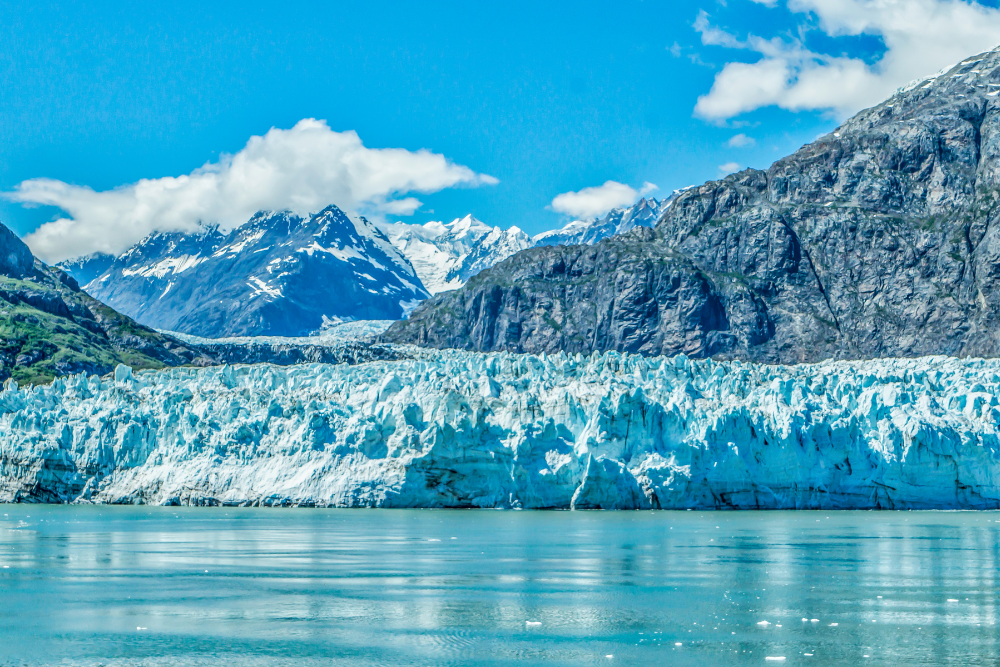
Many of Switzerland’s lakes and rivers are fed by glaciers, which act as natural water filters. As glaciers melt, they release water that has been locked away for centuries, free from modern pollutants. This process contributes to the clarity and purity of Swiss water bodies.
How Glaciers Keep Water Clean
- Sediment Filtration – Glaciers grind down rock into fine particles known as “glacial flour,” which can give some lakes their milky-blue appearance.
- Cold Temperatures – The icy origins of Swiss lakes and rivers limit the growth of bacteria and algae, preventing contamination.
- Constant Renewal – Glacial meltwater continuously replenishes lakes and rivers, ensuring a steady flow of fresh, clean water.
Examples of glacial-fed lakes include:
- Lake Geneva (fed by the Rhône Glacier)
- Lake Lucerne (fed by multiple alpine streams)
- Lake Brienz and Lake Thun (fed by the Aare River, originating from the Aletsch Glacier)
2. Switzerland’s Unique Geological Filtering System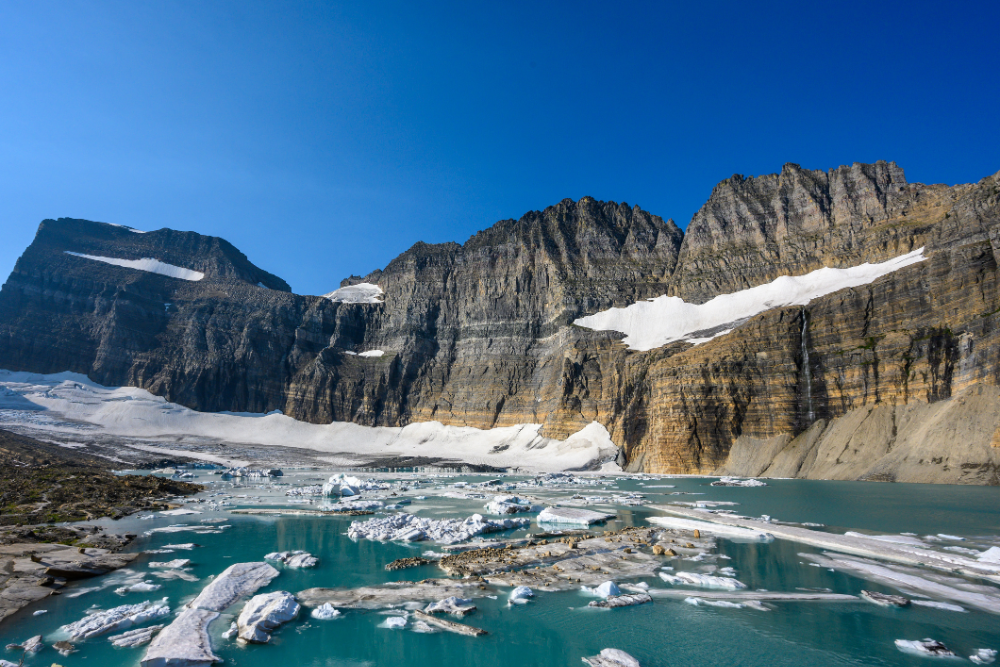
The Swiss Alps act as a natural filtration system, ensuring that water from rain, snow, and ice melt is purified before reaching lakes and rivers.
How Geology Contributes to Water Clarity
- Limestone and Karst Systems – Many Swiss mountains contain porous limestone, which naturally filters water as it seeps through underground channels.
- Rock and Gravel Beds – Rivers like the Aare and the Rhine pass through gravel beds that trap impurities, leaving water cleaner.
- Minimal Heavy Industry – Unlike other countries with major industrial zones near rivers, Switzerland’s industries are heavily regulated, reducing pollution.
A great example of geological filtration is the Rhine Falls, where water remains clear despite high flow rates, thanks to the self-purifying properties of the riverbed.
3. Switzerland’s Strict Environmental Policies
Switzerland has some of the strictest water protection laws in the world. The government actively enforces wastewater treatment, pollution control, and sustainable land use to maintain the purity of its lakes and rivers.
Key Environmental Measures:
- Advanced Wastewater Treatment – Swiss cities have state-of-the-art water treatment plants that remove over 95% of pollutants before water is released back into rivers and lakes.
- Strict Agricultural Regulations – Farmers must follow eco-friendly practices to prevent pesticide and fertilizer runoff from contaminating water sources.
- Banning Harmful Substances – Switzerland has strict limits on microplastics, pharmaceuticals, and chemicalsin wastewater.
One success story is Lake Zurich, which was once affected by pollution but has been restored to near-pristine condition due to improved wastewater treatment and conservation efforts.
4. The Impact of Natural Circulation and Oxygenation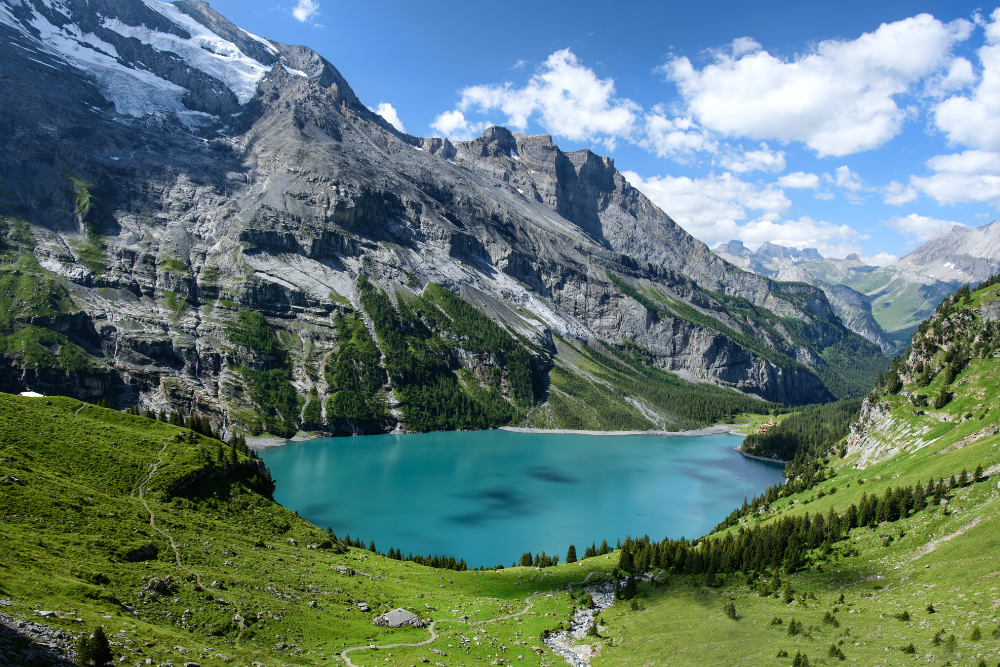
Swiss lakes have a natural self-cleaning mechanism due to their depth, movement, and oxygenation levels.
How Lakes Naturally Stay Clean
- Thermal Stratification – Swiss lakes experience seasonal mixing, where cold water from the depths rises and oxygenates the entire lake, preventing stagnation.
- Alpine Winds and Currents – Strong winds and inflows from rivers keep water circulating, reducing the buildup of algae and pollutants.
- Low Nutrient Levels – Because of limited agricultural runoff, many Swiss lakes have low nitrogen and phosphorus levels, preventing excessive algae growth.
For example, Lake Brienz is known for its stunning turquoise color due to low organic content and continuous circulation, keeping it free from algal blooms.
5. The Role of Local Communities in Water Conservation
Swiss citizens take water conservation seriously. Local communities, environmental groups, and government agencies work together to maintain and protect water sources.
Community-Led Conservation Efforts:
- Volunteer River Cleanups – Organizations frequently organize efforts to remove plastic and debris from rivers like the Limmat and Aare.
- Lake Protection Programs – Lakes like Geneva and Constance have dedicated conservation initiatives to prevent overfishing, littering, and pollution.
- Public Awareness Campaigns – Swiss schools educate children about water conservation from a young age, fostering a culture of environmental responsibility.
6. The Future of Switzerland’s Lakes and Rivers
Despite its excellent track record, Switzerland faces new environmental challenges, including:
- Climate Change – Rising temperatures may accelerate glacial melt, altering water chemistry and clarity.
- Microplastic Contamination – Although relatively low, microplastic levels in Swiss lakes are being monitored to prevent future pollution.
- Tourism Impact – Increased tourism around lakes and rivers can lead to littering and water pollution if not managed properly.
To address these challenges, Switzerland is investing in:
- More advanced filtration systems to remove microplastics and emerging contaminants.
- Stronger climate adaptation policies to protect glaciers and freshwater ecosystems.
- Sustainable tourism initiatives to balance environmental conservation with visitor demand.
Conclusion
Switzerland’s pristine lakes and rivers are a result of natural factors, strict environmental policies, and community-driven conservation efforts. From the filtering power of glaciers and alpine geology to the country’s advanced wastewater treatment systems, every aspect of Switzerland’s water cycle contributes to its world-famous purity.
As climate change and modern challenges continue to evolve, Switzerland remains committed to preserving its freshwater ecosystems, ensuring that future generations can continue to enjoy its crystal-clear lakes and rivers.