


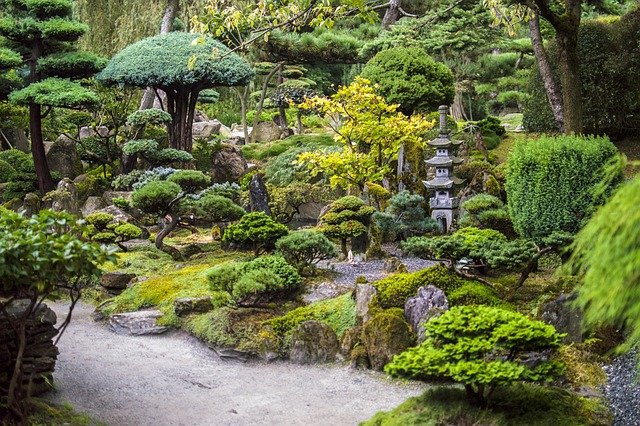

Explore the timeless beauty and philosophy behind Japanese gardens. Learn about their design principles, historical significance, and why they continue to captivate visitors worldwide.
Introduction:
Japanese gardens have long been admired for their serene beauty, intricate design, and deep cultural significance. These gardens are not just spaces of natural beauty but also reflections of Japanese philosophy, offering a peaceful escape from the hustle and bustle of everyday life. With their perfect balance of nature, design, and symbolism, Japanese gardens continue to captivate visitors worldwide. In this blog, we will explore what makes Japanese gardens so special, from their design principles to their enduring appeal.

1. The Philosophy Behind Japanese Gardens
At the heart of every Japanese garden lies a deep philosophical foundation, often influenced by Zen Buddhism, Shintoism, and Taoism. These gardens are designed to inspire meditation, reflection, and a connection with nature. Each element, from the arrangement of rocks to the choice of plants, is carefully selected to represent natural beauty and spiritual balance. The goal is not only aesthetic pleasure but also to evoke a sense of peace and harmony, allowing visitors to experience mindfulness and tranquility.
2. Key Elements of Japanese Garden Design
Japanese gardens are known for their minimalist and intentional design, where each element serves a specific purpose. The use of water, rocks, trees, and pathways is arranged in such a way that it guides the viewer’s eye and encourages a sense of flow. Key elements include:
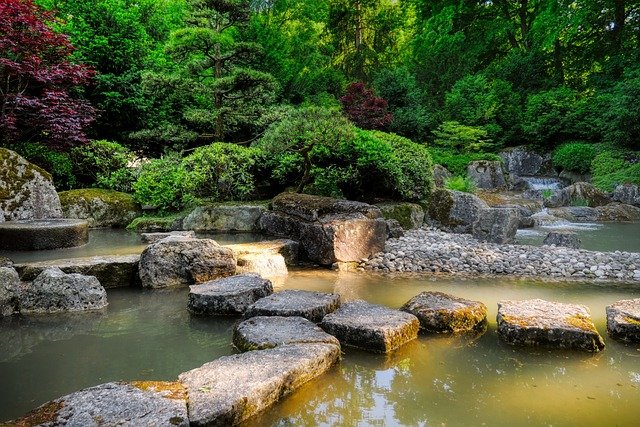
- Water: Symbolizing purity and change, water features like ponds, streams, and waterfalls are central to many Japanese gardens.
- Rocks: Representing mountains or islands, rocks are strategically placed to create balance and evoke a sense of permanence.
- Plants: Carefully chosen trees and shrubs, such as pine, maple, and moss, bring life to the garden, changing with the seasons.
3. Types of Japanese Gardens
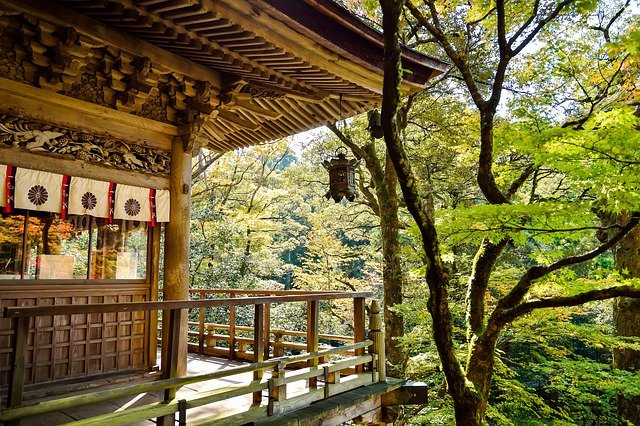
There are several distinct types of Japanese gardens, each with its own unique features and purpose:
- Karesansui (Zen Gardens): Dry landscapes featuring rocks, gravel, and minimal plant life, meant to encourage meditation.
- Chaniwa (Tea Gardens): Designed for traditional tea ceremonies, these gardens feature winding paths, bamboo fences, and water basins.
- Tsukiyama Gardens: Larger, landscape-style gardens that recreate natural scenery with ponds, islands, and mountains.
Each type offers a different experience but shares a common goal of creating harmony between nature and design.
4. The Seasonal Beauty of Japanese Gardens
One of the most striking features of Japanese gardens is their ability to change with the seasons, offering a constantly evolving landscape. In spring, cherry blossoms bloom, creating a breathtaking display of pink flowers. Summer brings lush greenery and tranquil water features, while autumn offers vivid red and gold leaves. In winter, snow transforms the garden into a serene, minimalist wonderland. This seasonal variation ensures that Japanese gardens remain appealing year-round.
5. The Enduring Appeal of Japanese Gardens
Japanese gardens continue to captivate people from all over the world due to their timeless beauty and cultural depth. They offer a space for reflection, relaxation, and connection to nature, which is especially appreciated in our fast-paced, technology-driven world. Their minimalist design, rooted in centuries of tradition, provides a sense of calm and an invitation to slow down and appreciate the present moment. Whether in Japan or abroad, the timeless appeal of Japanese gardens remains as strong as ever.
Conclusion:
The timeless appeal of Japanese gardens lies in their perfect balance of beauty, philosophy, and nature. By incorporating elements of simplicity, symbolism, and seasonal change, these gardens offer visitors a peaceful retreat from the chaos of modern life. Their enduring popularity is a testament to the deep cultural significance they hold and their ability to inspire mindfulness and tranquility, no matter where they are found.