


Introduction: Dubai’s Architectural Fusion:
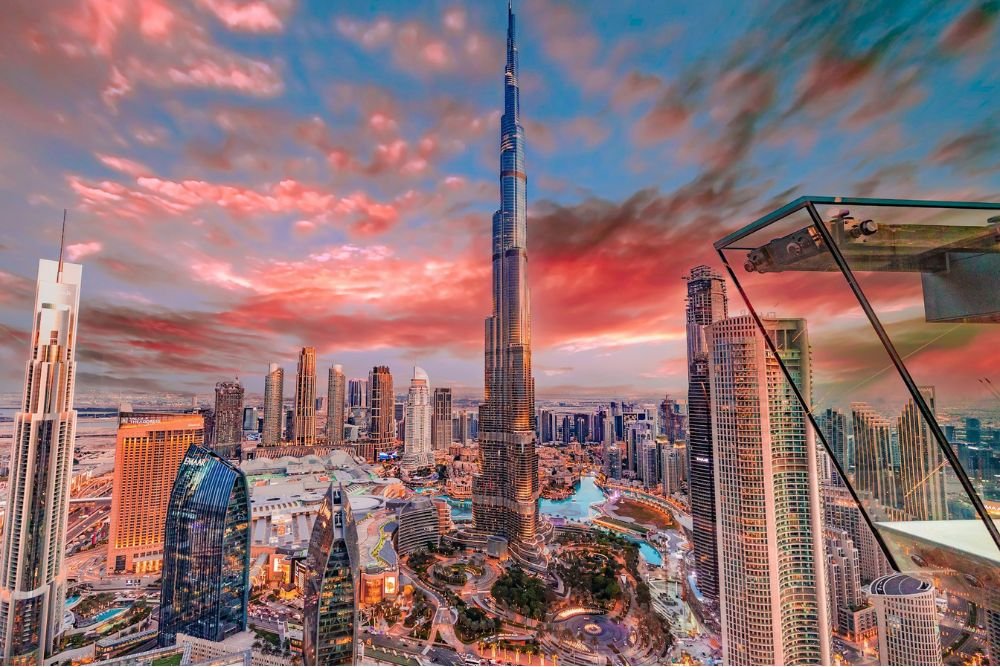
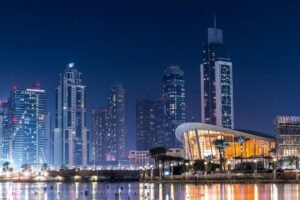
Dubai’s story, from a humble fishing hamlet to one of the stunning architectural wonders of the world, is, in reality, a tale of evolved architectural fusion that Dubai has come to showcase. The sheer diversity of modern skyscrapers that dot the Dubai skyline tells an intriguing story of different cultural influences that have beautifully blended with other elements like tradition, modernity, and sustainability, making the Dubai skyline the definitive signature of Dubai culture.
The evolution of architecture in Dubai started with the discovery of black gold in the 1960s. Gradually, concrete and glass replaced traditional items like palm fronds or mud bricks, and modern Dubai quite literally rose from the sands.
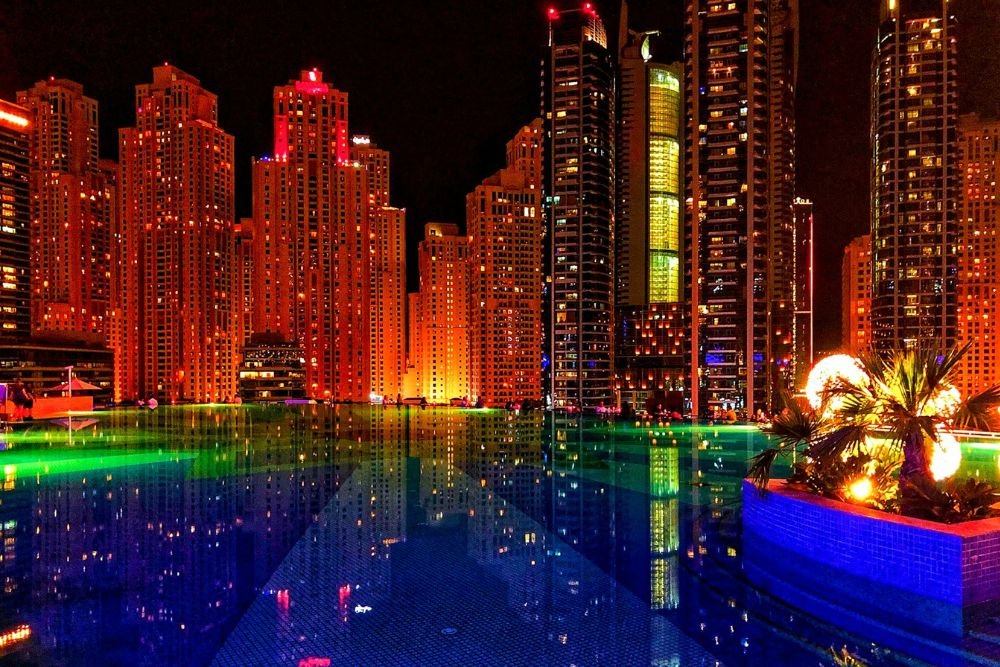
However, the architectural renaissance in the UAE kicked off with all these skyscrapers, which presented a bold and modern version of Dubai to the outer world that did not shy away from experimenting with traditionality with avant-garde techniques of the new age. Today, Dubai boasts a metropolis teeming with high-rises of every possible design, from the audacious Cayan Tower to the surreal Museum of the Future.
From intricate geometric patterns to a futuristic 90-degree twist in the design, each skyscraper in Dubai tells a different story infused with elements of rich heritage with urbane sophistication and done sustainably. These buildings are not only aesthetically pleasing, but they are also emblems that pay a rich tribute to the city’s heritage.
A Skyline Beyond Burj Khalifa: More Than Just Tallest:
The Dubai skyline is not a mere run-of-the-mill story of obsession with altitude. Rather, it’s a skyline constantly reminding us that geographic or regional yardsticks cannot define contemporary architecture. The evolution of the Dubai horizon is, in fact, a contemporary story of the Dubai metropolis in various aspects and points of view.
Dubai’s brand of architectural advancement is now creating a ripple impact of emulation in other countries, such as Qatar and Lebanon. Consequently, Dubai has continued reconfiguring itself. Rather, it is also on a planetary mission to reconfigure the different areas and regions that are open to its brand of architectural progress, for example, in other parts of the Middle East and even China.
Dubai architecture is, in reality, a definitive portal through which the national emotion, sentimentality, aspiration, and Emirati ethos find the boldest expression by mobilizing the refashioned past, present, and future. Thus, multiple layers of emotion and history are at play through such diverse and spellbinding architectural marvels.
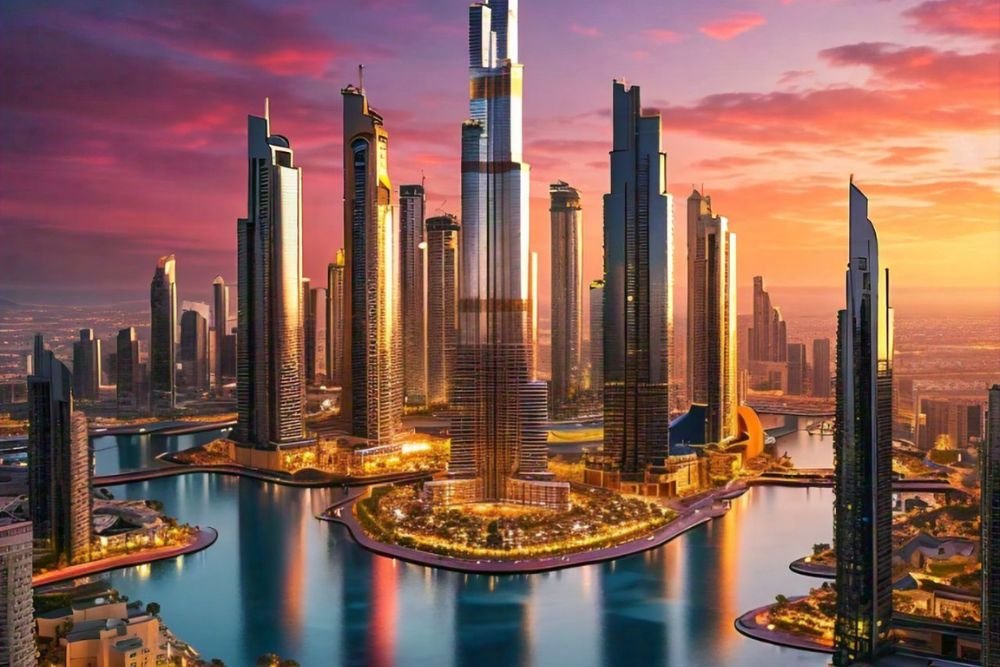
The World Trade Centre, erected in 1979, was the sole skyscraper at the then time in an empty desert, raising questions about the building’s relevance. Until the 1990s, the adjacent area of the Sheikh Zayed Road remained mostly empty. Fast-forward to today and the World Trade Centre stands as an antiquated oddity in sharp contrast to its ultra-sophisticated vertical neighbours.
Skyscrapers That Go Green: Sustainability and Innovation:
Dubai is not just Burj Khalifa merely. There is more than what meets the eye. The modern architecture in Dubai does not stop being just a breathtaking blend of aesthetic tradition and hedonistic modernity. They are equally environment-friendly buildings that leave the least possible carbon footprint so that sustainability is not compromised.
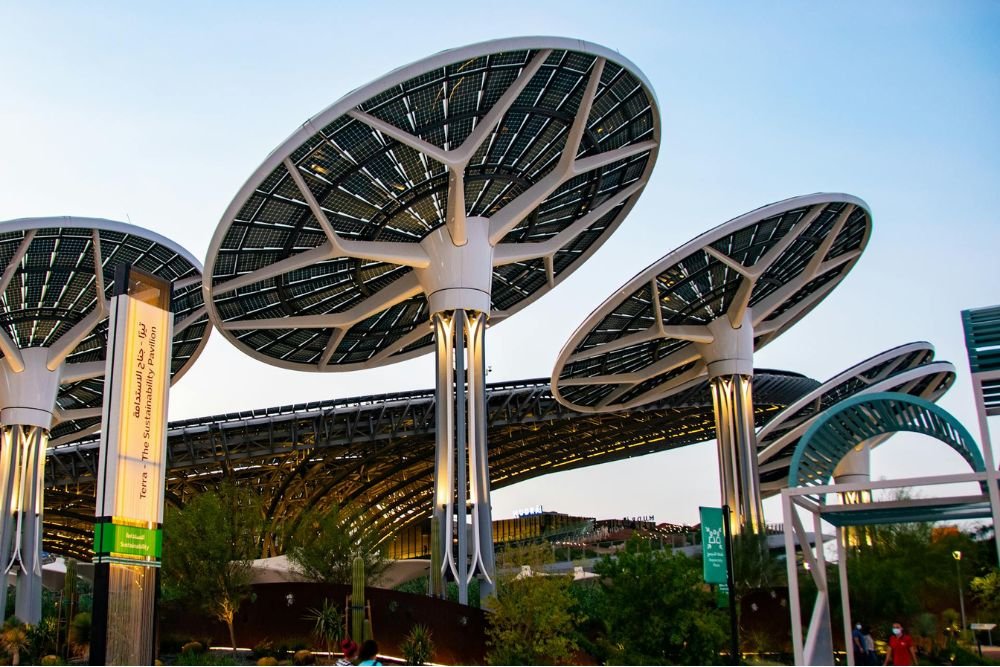
Some of the prominent skyscrapers that have combined the sustainability factor in their design ethics are:
The Sustainable City: Certified and awarded the globally acclaimed Leadership in Energy and Environmental Design (LEED) Platinum certification by the U.S. Green Building Council (USGBC), The Sustainable City fundamentally integrates the environment so that the entire city operates harmoniously and sustainably. The city has incorporated the traditional Emirati culture in its design while being innovative in its blending of the old and the new. The entire city is self-sufficient in terms of energy and water requirements. Solar panels generate renewable energy, while rainwater harvesting and greywater recycling systems conserve water resources.
The Al Wasl Tower: Complying with the pressing needs of sustainability and environmental mandate, The Al Wasl Tower symbolises a tremendous fusion of breathtaking modernity and sustainability mandate. This high-rise building has a twisted design and a clutch of advanced technologies that reduce the environmental impact. Certified by the redoubtable USGBC as LEED Gold, this building utilizes solar panels for renewable energy together with+ efficient water management systems while sporting a double-glazed facade for keeping the accumulated heat at a minimum.
Tradition Meets Modernity: Cultural Inspirations in Design:
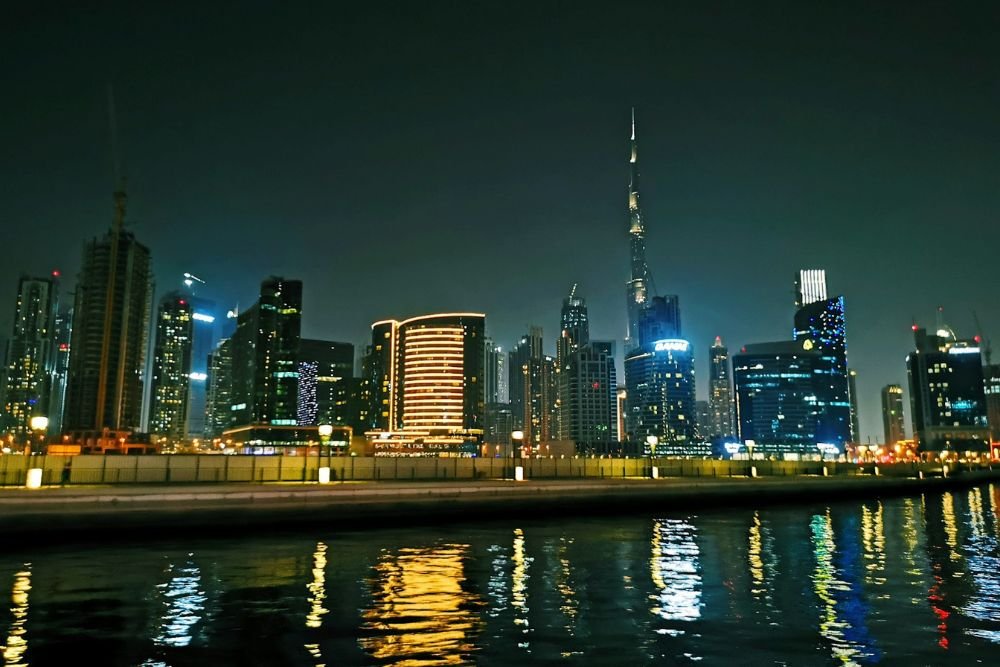
Dubai skyscrapers tell an unwritten story of how tradition and culture have become intertwined with threads of modernity. These buildings are not just architectural wonders but also a symbolic representation of the rich Emirati culture and ethos.
Some of the illustrative high-rise buildings that symbolise the symbiotic relationship of tradition and modernity are:
The Opus by Zaha Hadid: Situated within the Burj Khalifa District of Dubai, The Opus by Zaha Hadid is another stunning skyscraper that effortlessly combines artistic fluidity with traditional elements. The entire building is like a cube within a cube from outside. The interior of the building makes stunning use of traditional Emirati motifs and materials, such as intricate metalwork and arabesque patterns. The Opus is a testament to the sculptural sensibility that reinvents the balance between solid and void and interior and exterior.
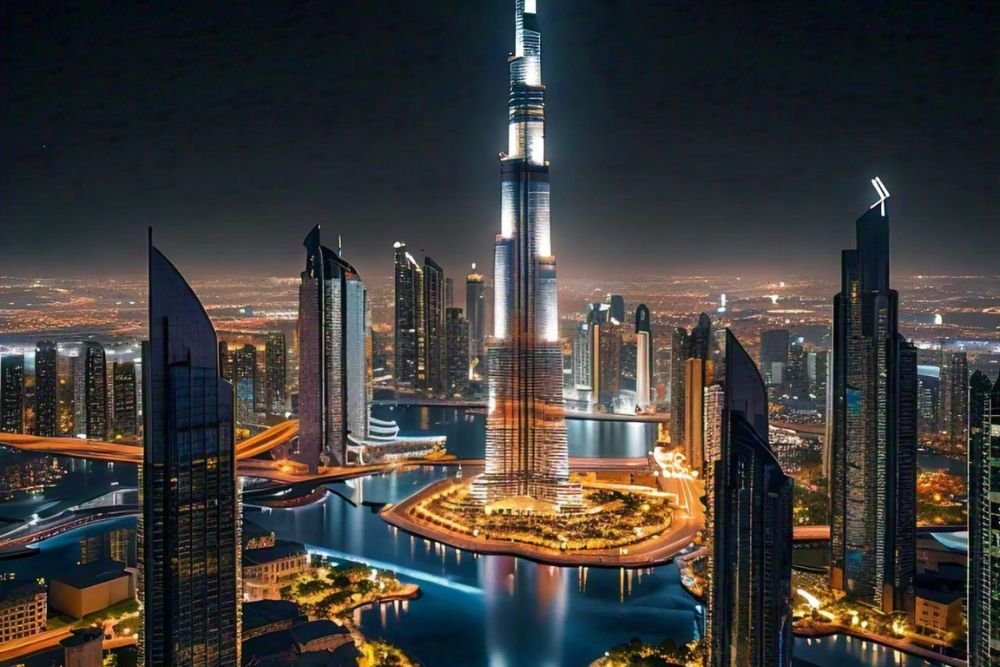
Al Yaqoub Tower: This building, which resembles Elizabeth Tower (more commonly known as Big Ben) in London, is without any clock on its façade. It has 71 floors and is as stunning as its other formidable vertical neighbours. Sporting a distinctive outlook, the Al Yaqoub Tower is a testament to Dubai’s tireless efforts at innovation and commitment to creating world-class urban development.
The Rise of New Icons: Architectural Marvels Redefining the Skyline:
Even with the buildings already mentioned, there are high-rises in Dubai that leave you simply baffled. You are left with only one reaction: ” How?” These skyscrapers defy the laws of geometry and sane reasoning by their exotic appearance.
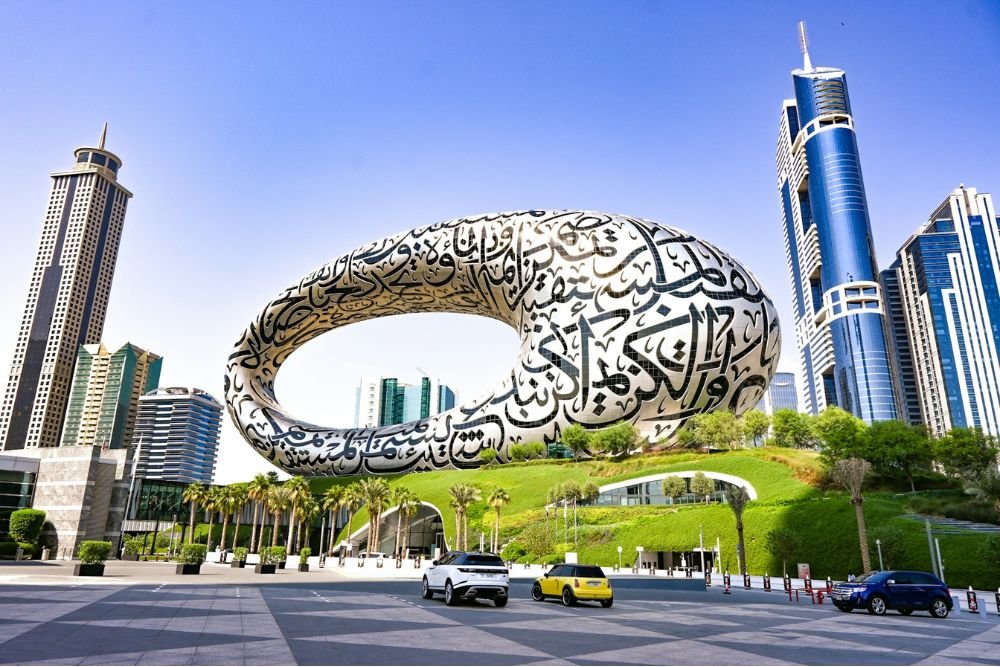
A couple of such futuristic edifices that deserve mention here are:
Museum of the Future: Certified LEED Platinum for its unique trinity of sustainability, aesthetics, and surreal design, the building seems more like a steal from the future. The Museum of the Future blends futuristic design with traditional Emirati motifs.
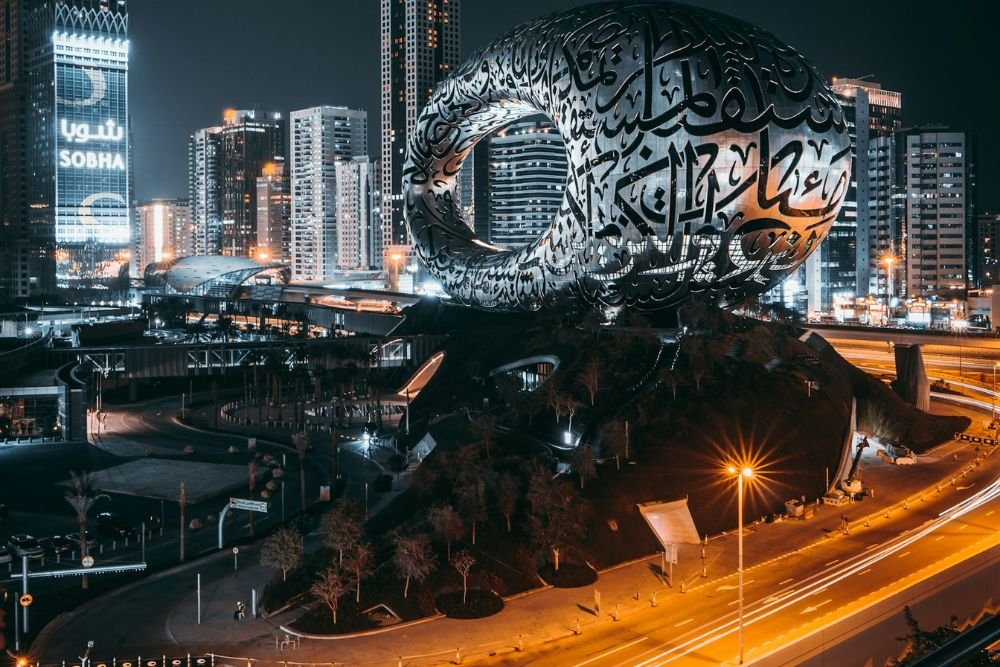
This architectural masterpiece is the most definitive indication that Dubai is ready to experiment with the road less travelled as far as the architecture of such towers is concerned. The museum also has various sustainable measures installed in it. They are:
- Solar Panels for renewable energy
- Smart building technology
- Energy-efficient lighting
- Rainwater Harvesting
- Sustainable materials
- Green Landscaping
- Carbon offsetting
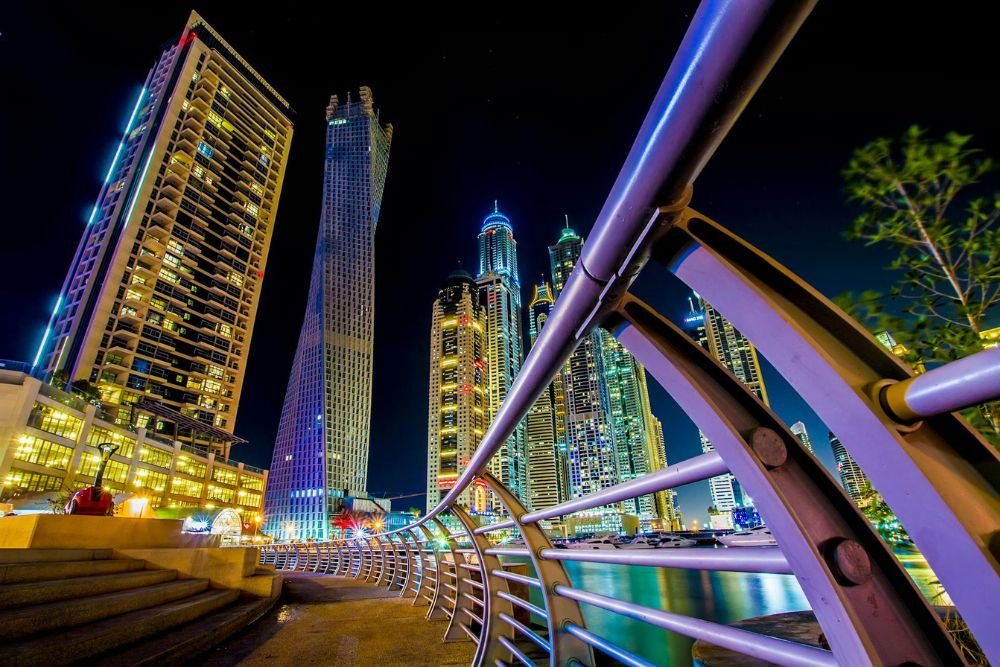
Cayan Tower: Also known as the Infinity Tower, this monumental building is the loudest evidence that Dubai is not satiated with anything average. This striking residential skyscraper spirals 90 degrees from its base to the top in a helical shape, leaving both the onlookers and the inhabitants of this building awestruck. Besides balancing the wind load very smartly, the tower offers a stunning view of the Dubai Marina and the Arabian Gulf. This high-rise building incorporates sustainable features such as energy-efficient lighting and HVAC (Heating, Ventilation, and Air Conditioning) systems.
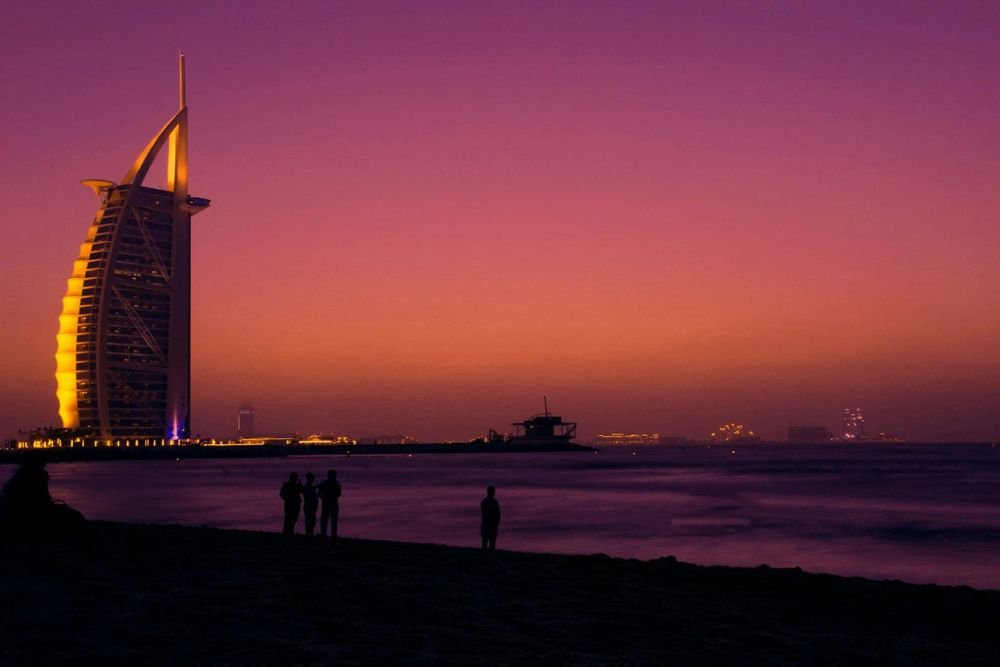
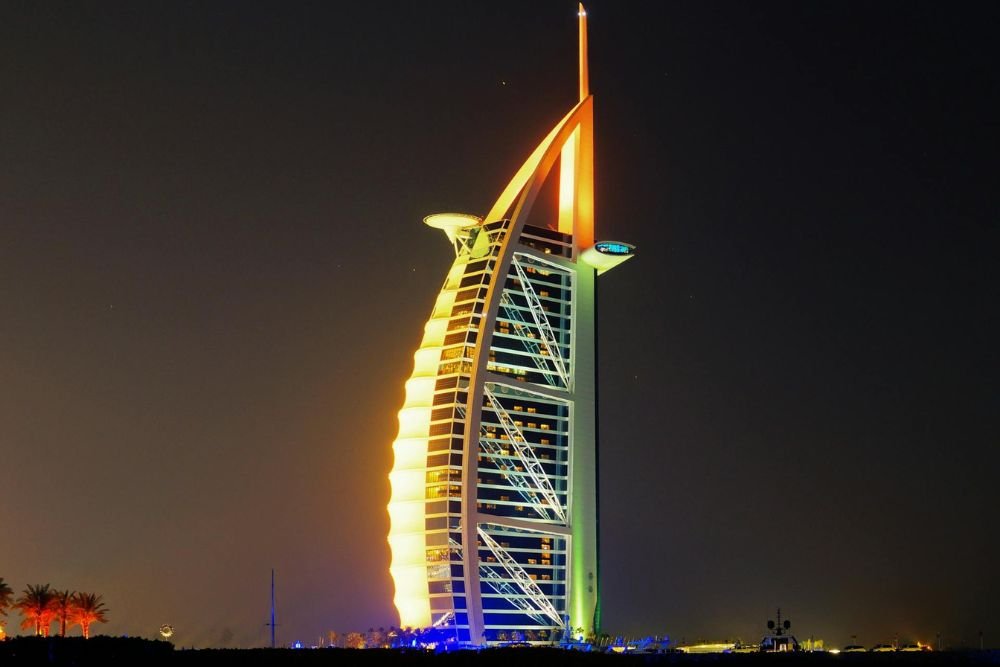
Burj Al-Arab: Stunningly sail-shaped, this building is synonymous with hedonistic luxury and all sorts of mind-numbing extravagance. Extra-ordinarily sculpted with gold, the interior of the world’s only seven-star luxury hotel is the playground for fabulously wealthy and opulent people. Complete with a helipad that sits at the dizzying height of 210 meters above the ground, this tower is Dubai’s archetypical symbol of extravagance. Sounds oxymoronic, yet this building also has sustainable features installed within its precinct in the form of energy-efficient lighting and HVAC systems.
Conclusion: Experience the Architectural Wonders of Dubai:
Doubtlessly Dubai stands as one of the epitomes of architectural wonders of the world. Not only for the fabulous fusion of tradition and modernity but also for sheer sustainability. The place should figure very high on the agenda of every wanderlust maniac and enthusiast.
So, why wait and wonder? Come, enjoy, and bask in the sheer extravagance, revelry, and comfort of an experience that will remain with you for the rest of your life. Bon voyage!!