


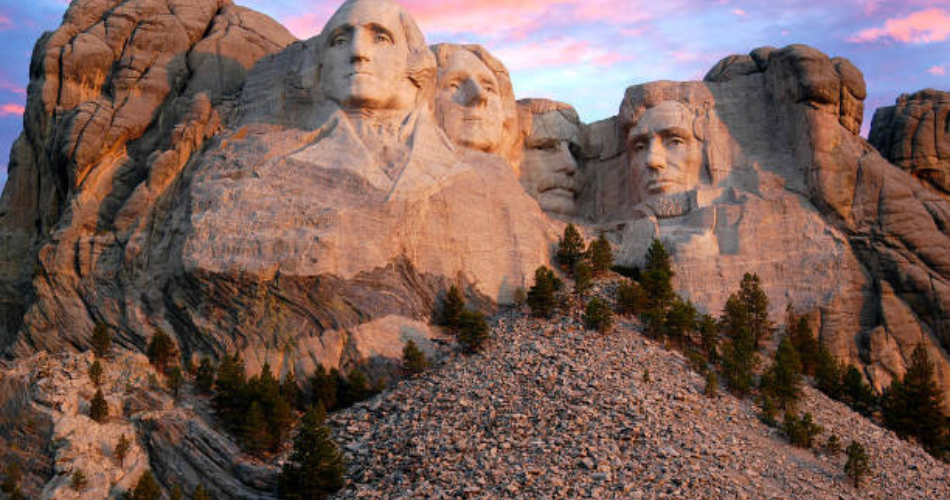

1. The statue of Liberty, NY
– The Statue of Liberty, a copper statue designed by Frédéric Auguste Bartholdi and its metal framework built by Gustave Eiffel, is a colossal neoclassical sculpture on Liberty Island in New York Harbor, within New York City. It is a gift to the United States from the people of France, and was dedicated on October 28, 1886.
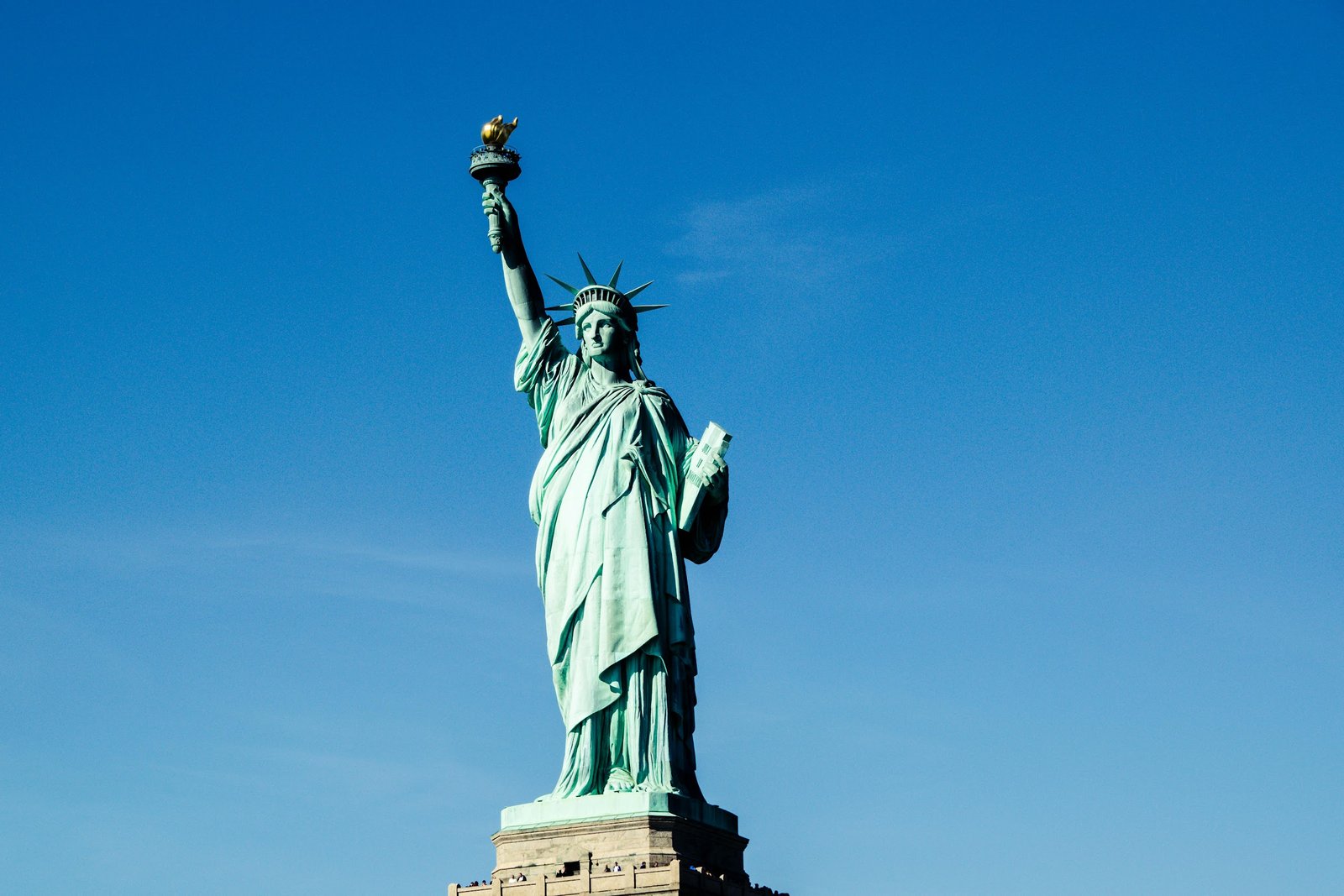
2. Mount Rushmore, S. Dakota
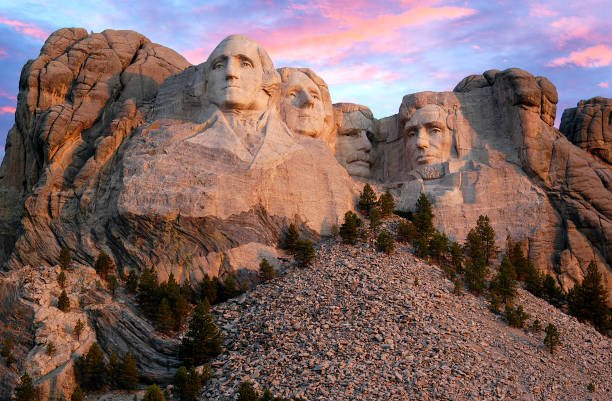
-Mount Rushmore, located in South Dakota, is an iconic American landmark featuring the carved faces of four U.S. presidents. George Washington, Thomas Jefferson, Theodore Roosevelt, and Abraham Lincoln. While it’s primarily known for its monumental sculpture and historical significance, it also has connections to American culture and identity that extend into fashion.
3. National Mall, Washington D.C.

– The National Mall in Washington, D.C., is a significant tourist destination, attracting millions of visitors each year. It’s not just a park; it’s a historical and cultural epicentre filled with monuments, memorials, and museums. Here are some key highlights about tourism at the National Mall:
4. Colonial Williamsburg, Virginia
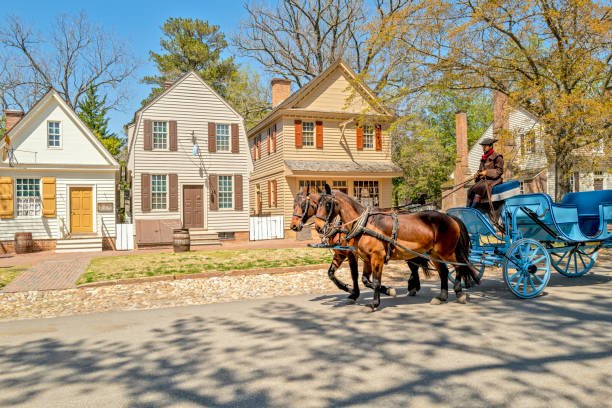
– Colonial Williamsburg is an immersive living-history museum located in Virginia that brings the 18th-century colonial American experience to life. It spans about 301 acres and serves as a key site for understanding the origins of American democracy and culture during the time leading up to the American Revolution. Here’s a more detailed look at what makes Colonial Williamsburg a fascinating destination:
5. National Air and Space museum, D.C.
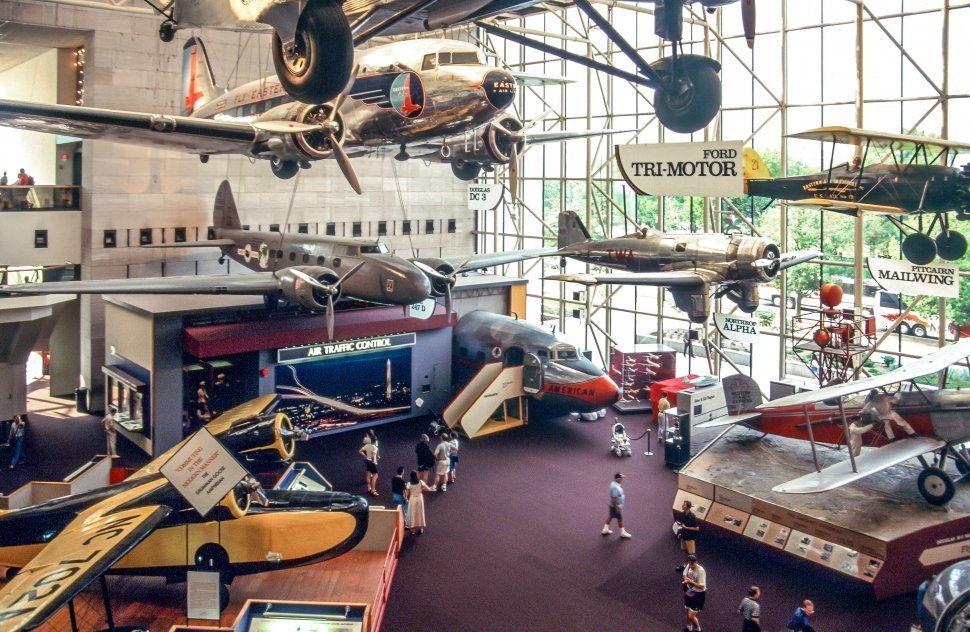
– The National Air and Space Museum, located in Washington, D.C., is one of the most visited museums in the world. Visiting the National Air and Space Museum is not just about seeing historic artifacts; it’s about experiencing humanity’s journey through air and space exploration. Whether you’re fascinated by flight or simply curious about what lies beyond our atmosphere, this museum offers something for everyone!
6. Vicksburg National Military Park, Mississippi
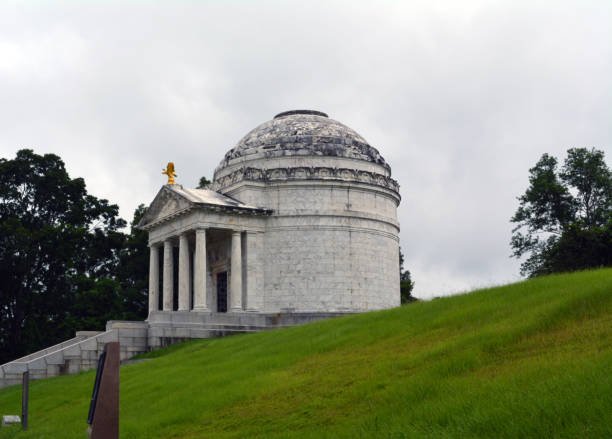
– Vicksburg National Military Park, located in Vicksburg, Mississippi, is a significant site that commemorates the pivotal Civil War battle that took place there from May 18 to July 4, 1863. The park not only preserves the battlefield but also serves as a memorial to the soldiers who fought and died during the Siege of Vicksburg.
7. Hoover Dam, Nevada

– The Hoover Dam, an engineering marvel located on the border between Nevada and Arizona, is a significant landmark with a fascinating history and stunning views. Visiting Hoover Dam is not just about seeing a massive structure; it’s about understanding its historical significance, engineering brilliance, and role in shaping water management in the American Southwest. Whether you’re interested in history, engineering, or simply enjoying beautiful landscapes, Hoover Dam offers a memorable experience!
8. Monticello, Virginia
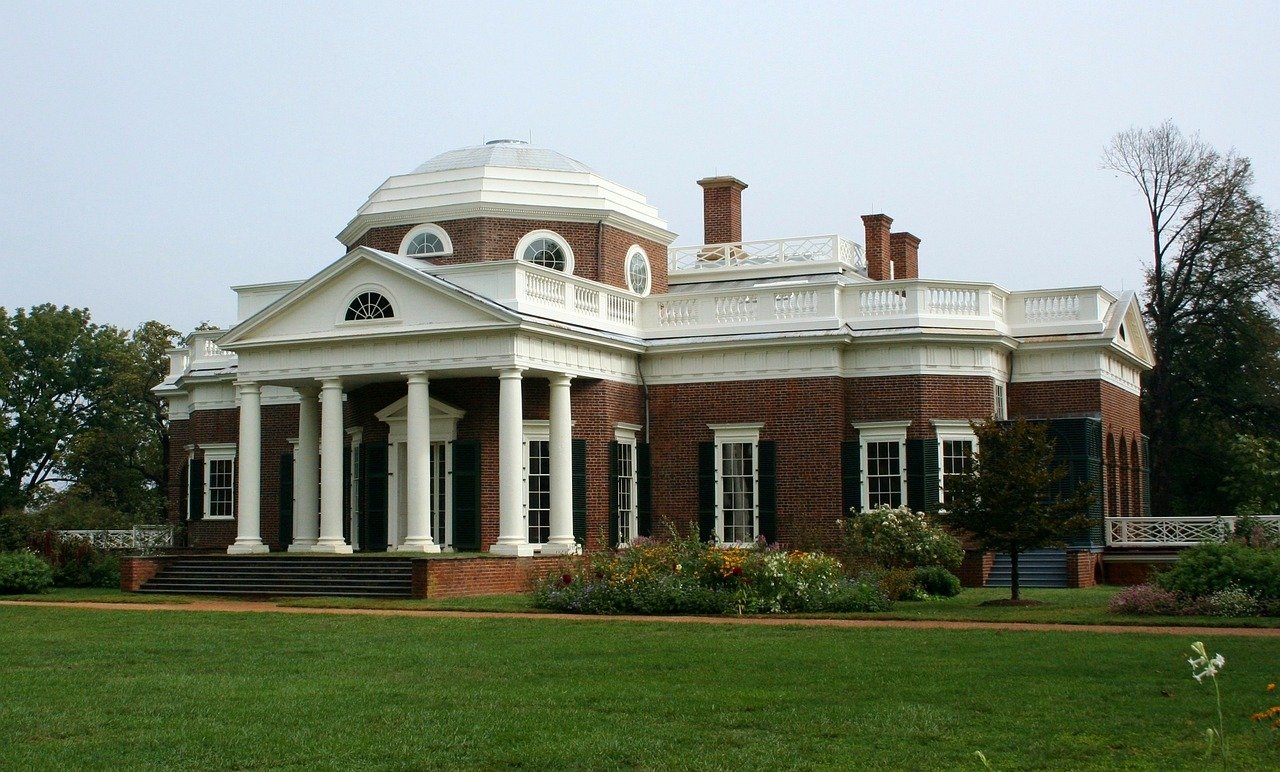
– Nestled in the rolling hills of Virginia’s Albemarle County, Monticello stands as a testament to the vision and intellect of Thomas Jefferson, one of America’s most revered Founding Fathers. Jefferson, who served as the third President of the United States and authored the Declaration of Independence, designed Monticello as both his home and a personal expression of his ideals. The name “Monticello” itself means “little mountain” in Italian, reflecting the estate’s picturesque location atop a high hill.
9. The National Gallery of Art, D.C.
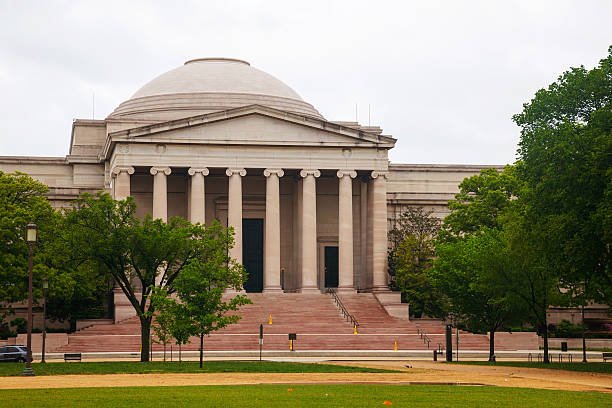
– Situated on the National Mall in Washington, D.C., the National Gallery of Art is a premier institution dedicated to the visual arts, housing an extraordinary collection that spans centuries and continents. Established in 1937, the gallery was founded through the vision and generosity of Andrew W. Mellon, a prominent financier and art collector. His desire to create a national art museum for the American people led to the establishment of this iconic institution, which has since become a cornerstone of American cultural life.
10. Biltmore house estate
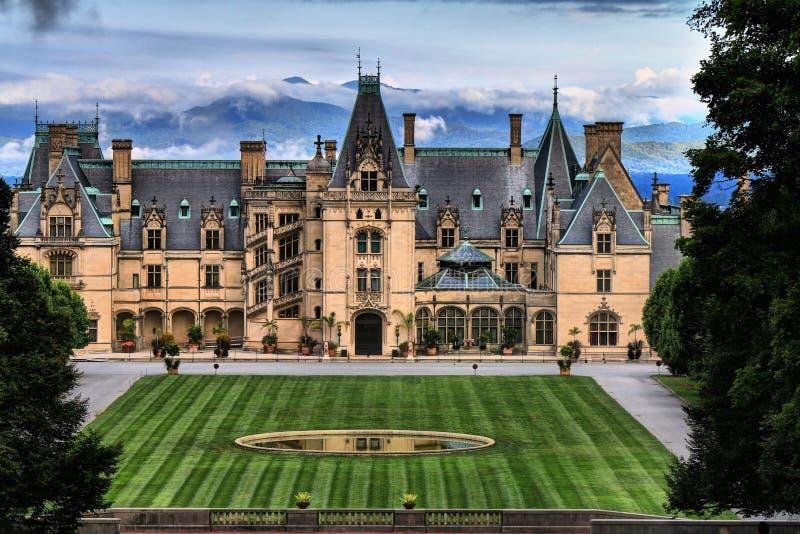
– The Biltmore Estate, located in Asheville, North Carolina, is a stunning example of Gilded Age architecture and a testament to the vision of George Washington Vanderbilt II. Completed in 1895, it is the largest privately-owned home in the United States, covering an impressive 178,926 square feet with 250 rooms. With a massive collection of famous paintings.