


Introduction
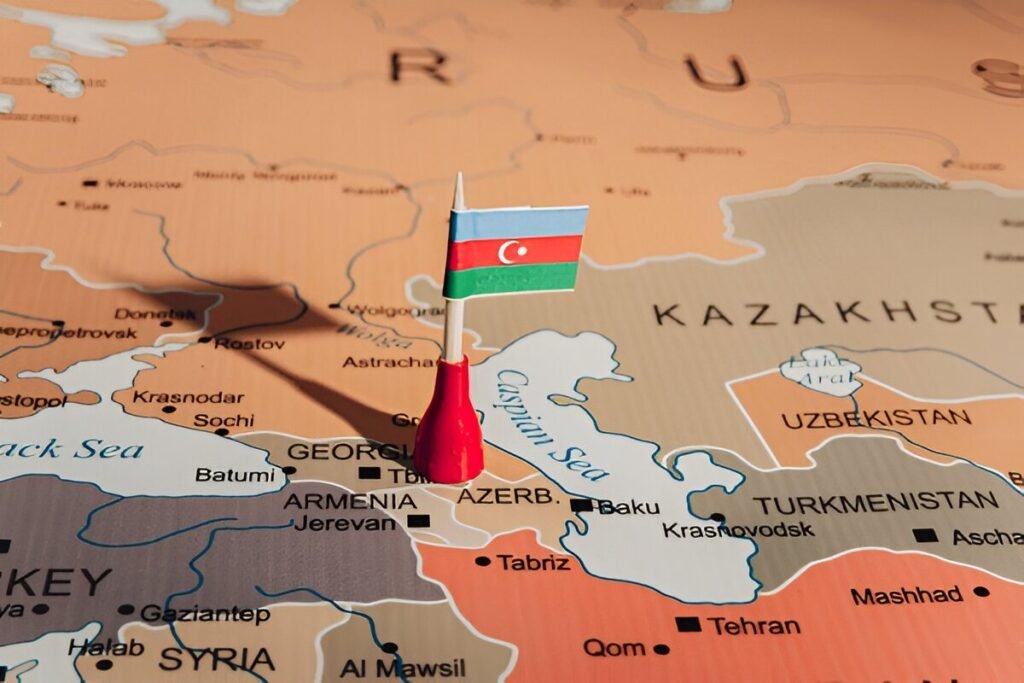
Azerbaijan, a country at the crossroads of Europe and Asia, is a fascinating travel destination, offering a unique blend of history, culture, and stunning landscapes. From the modern, cosmopolitan capital of Baku to the tranquil beauty of the Caspian Sea coast, Azerbaijan is a place of contrasts—where ancient traditions meet contemporary innovation. Whether you’re exploring the UNESCO World Heritage sites or immersing yourself in the local culture, Azerbaijan is a destination that offers something for every type of traveler. If you’re planning to visit this captivating country, here’s everything you need to know before you go, from practical tips to cultural insights that will ensure a smooth and enjoyable trip.
1. Best Time to Visit Azerbaijan
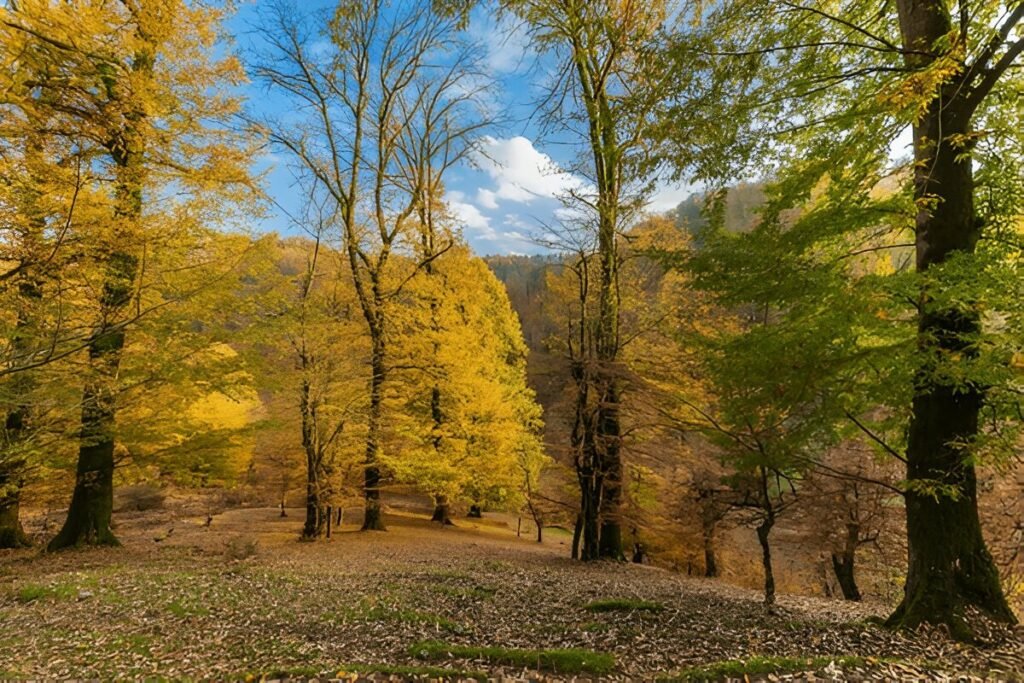
The best time to visit Azerbaijan largely depends on the type of experience you’re looking for. Generally, the country enjoys a diverse climate, ranging from subtropical on the coast to more mountainous and temperate inland.
- Spring (March to May)
Spring is one of the most pleasant times to visit Azerbaijan, especially in cities like Baku and Sheki. The weather is mild, and the country’s landscapes are in full bloom, making it ideal for outdoor activities, sightseeing, and exploring the country’s historical sites. - Summer (June to August)
Summer can be hot, particularly in Baku, where temperatures often reach over 35°C (95°F). However, it’s a great time for beach lovers who want to relax along the Caspian Sea coast or enjoy outdoor festivals. The higher elevations in the mountains remain cooler and offer a more comfortable escape from the heat. - Autumn (September to November)
Autumn is another fantastic time to visit Azerbaijan. The weather remains pleasant, and the harvest season brings vibrant colors to the vineyards, making it an ideal period for wine tourism, particularly in regions like Ismayilli and Ganja. - Winter (December to February)
Winter in Azerbaijan can be cold, especially in the mountainous regions where it can snow. However, it’s a great time for winter sports enthusiasts to visit the Shahdag or Tufandag resorts for skiing and snowboarding.
2. Visa and Entry Requirements
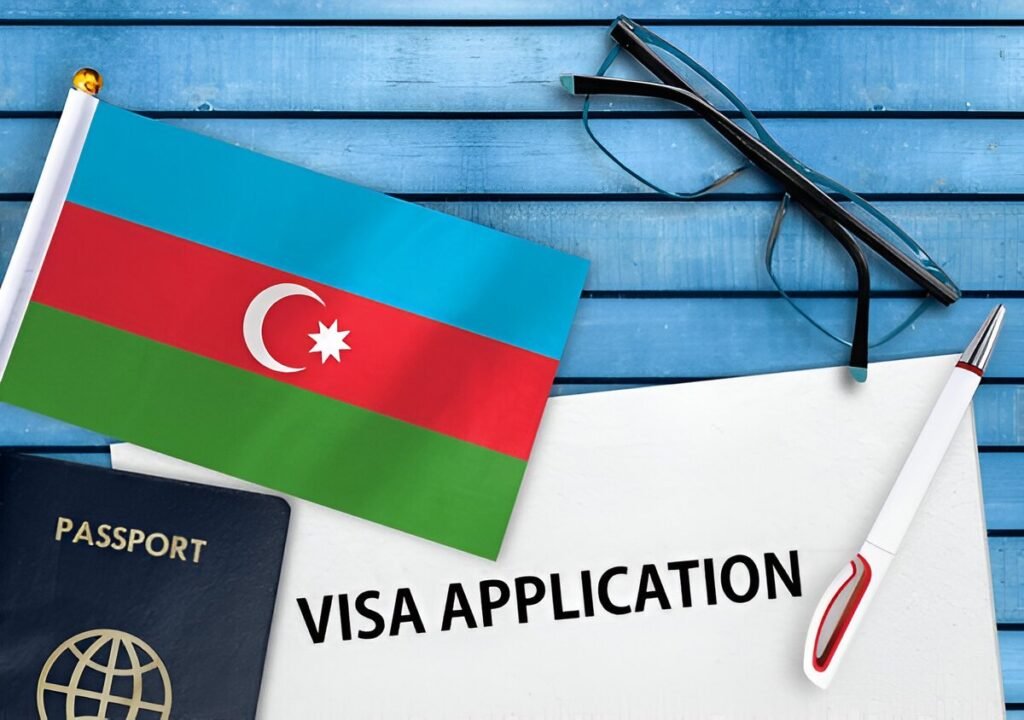
Most visitors to Azerbaijan will need a visa to enter the country. However, the visa process has become more convenient in recent years.
- E-Visa
Azerbaijan offers an easy-to-obtain e-visa for citizens of many countries. The application can be completed online through the official Azerbaijani government portal, and approval is typically granted within a few days. Be sure to apply for your e-visa at least a week in advance. - Visa on Arrival
Citizens of a few countries are eligible for visa-on-arrival services at Baku’s Heydar Aliyev International Airport. However, this option is less common, so it’s best to double-check with your embassy or the official government website. - Passport Validity
Your passport must be valid for at least six months beyond your planned departure date from Azerbaijan. It’s also recommended to have at least two blank pages in your passport for entry and exit stamps.
3. Currency and Payment Methods
The official currency of Azerbaijan is the Azerbaijani manat (AZN). It’s essential to have some local currency on hand, especially when traveling outside major cities, but in most urban areas, credit cards are widely accepted.
- Exchanging Money
Currency exchange is available at banks, exchange offices, and some hotels, though exchange rates may vary. If you’re traveling from abroad, it’s recommended to exchange currency before arriving, as some international credit cards may not work in rural areas. - ATMs
ATMs are widely available in Baku and other major cities, and many accept international cards. However, it’s a good idea to carry some cash when visiting smaller towns or more remote areas. - Tipping
Tipping is not mandatory in Azerbaijan, but it is appreciated for good service. In restaurants, it’s common to leave a tip of around 10% of the bill. Taxi drivers and hotel staff also appreciate small tips.
4. Language and Communication
The official language in Azerbaijan is Azerbaijani (also known as Azeri), a Turkic language closely related to Turkish. While Azerbaijani is the primary language, many people in Baku and other major cities speak Russian, and English is becoming increasingly common in the tourism and hospitality sectors.
- Language Tips
Learning a few basic Azerbaijani phrases can go a long way in building rapport with locals, especially in more rural areas. Here are a few useful phrases:- Hello – Salam
- Thank you – Təşəkkür edirəm
- Yes – Bəli
- No – Xeyr
- How much is this? – Bu nə qədərdir?
- Mobile Phones and Internet
Mobile coverage is generally good in Azerbaijan’s major cities and towns. There are several local mobile providers, and SIM cards can be purchased easily at the airport or in shops. Wi-Fi is commonly available in hotels, cafes, and restaurants in urban areas.
5. Getting Around Azerbaijan
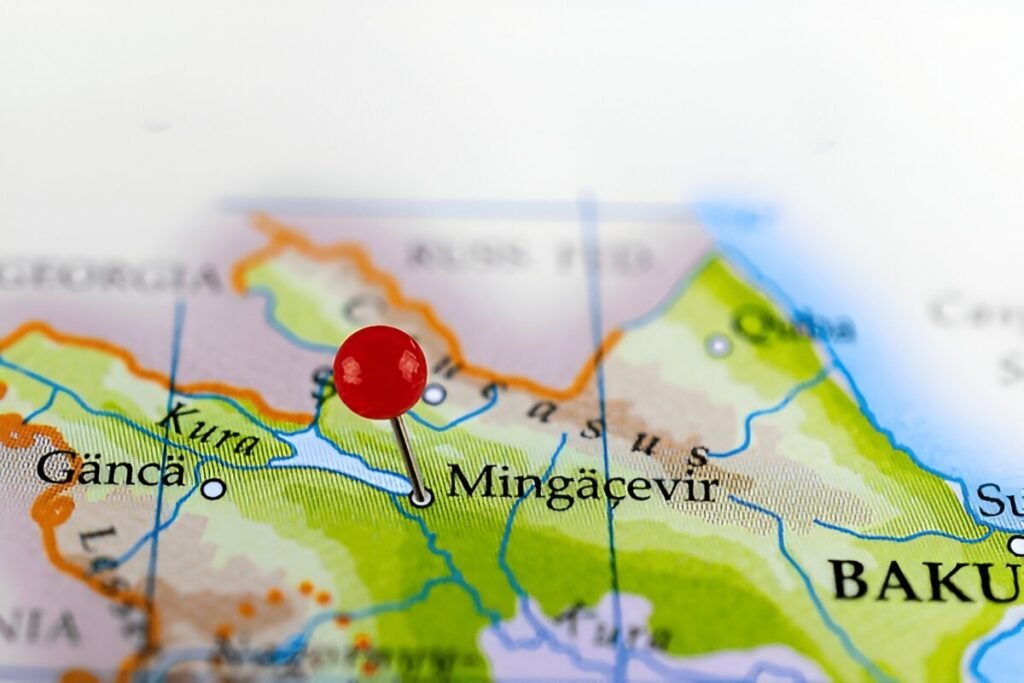
Azerbaijan is well-connected by an extensive transportation network, but the quality of roads and public transport can vary depending on your location.
- Public Transportation
Baku has a reliable metro system, along with buses and trams. Tickets are inexpensive, and public transport is easy to navigate, though English signs may be limited, so a map or a translation app could be helpful. Taxis are also widely available in the cities, and ride-hailing apps like Bolt and Uber operate in Baku. - Driving in Azerbaijan
Renting a car is a good option if you plan to explore regions outside of Baku, especially in the mountains or rural areas. However, driving in Azerbaijan can be challenging due to local driving habits. Be aware that road signs may not always be in English, so it’s advisable to familiarize yourself with the routes before setting off. - Domestic Flights
For long-distance travel, domestic flights are available between Baku and other cities, such as Ganja, Lankaran, and Guba. Flights are generally affordable and convenient for travelers looking to explore Azerbaijan’s diverse regions.
6. Safety and Health
Azerbaijan is generally a safe country for tourists, with low levels of crime. However, as with any travel destination, it’s always good to exercise caution and follow local safety advice.
- Health and Medical Care
The healthcare system in Azerbaijan is of good quality, particularly in major cities like Baku. It’s a good idea to have travel insurance that covers medical expenses, as some areas may have limited access to healthcare facilities. You may want to carry basic medications and a first-aid kit for emergencies. - Emergency Numbers
The emergency number for police in Azerbaijan is 102, while ambulance services can be reached at 103. The emergency number for fire services is 101. - Vaccinations
No specific vaccinations are required for travel to Azerbaijan, but it’s recommended to be up to date on routine vaccinations (such as measles, mumps, rubella, and tetanus). You can consult with your healthcare provider for advice based on your personal health and travel plans.
7. Cultural Etiquette and Customs

Azerbaijan is a predominantly Muslim country, but it has a unique cultural blend of Eastern and Western influences. Understanding local customs and etiquette will enhance your experience and interactions with locals.
- Dress Code
Azerbaijan is generally conservative in terms of dress, especially in rural areas. It’s respectful to dress modestly, particularly when visiting religious sites. In Baku, however, there is more flexibility, and the dress code is similar to other major cities around the world. - Hospitality
Azerbaijani people are known for their hospitality, and it’s common for guests to be offered food and tea when visiting someone’s home. It’s considered polite to accept the offer, even if only a small amount. Refusing hospitality can be seen as impolite. - Photography
While photography is generally allowed, it’s important to ask permission before taking pictures of people, particularly in rural areas or religious sites. Be respectful of local customs and always ask if you’re unsure.
8. Must-See Attractions in Azerbaijan
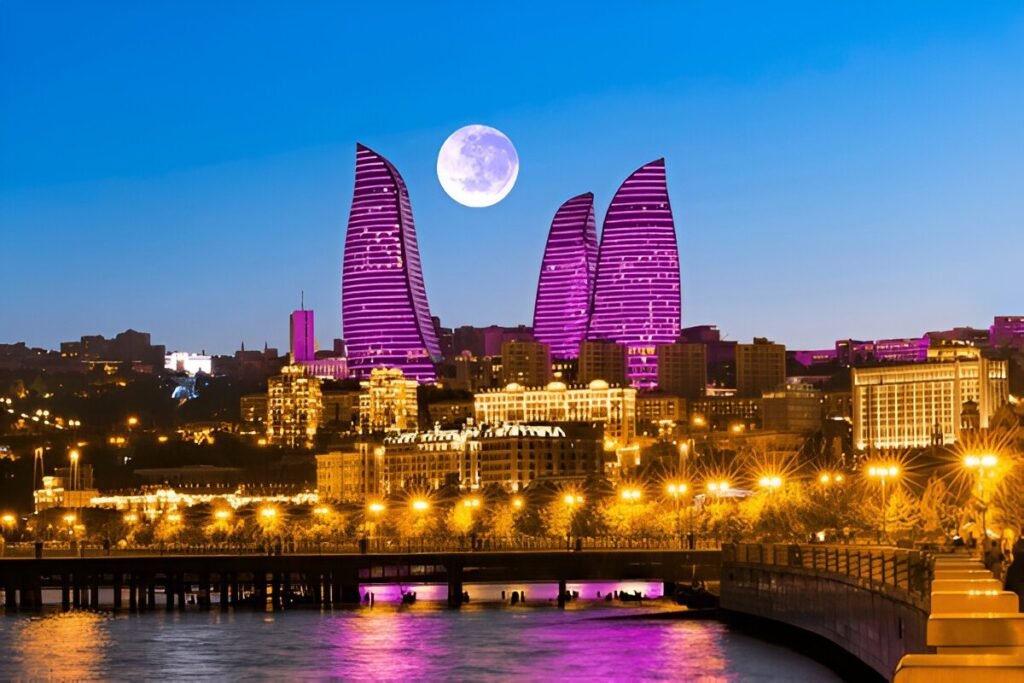
Azerbaijan is full of remarkable attractions that showcase its rich history, culture, and natural beauty. Here are a few places you shouldn’t miss:
- Baku – Visit the Flame Towers, Heydar Aliyev Center, and the Old City (Icherisheher).
- Gobustan National Park – Explore the ancient petroglyphs and mud volcanoes.
- Sheki – Admire the Sheki Khan’s Palace and visit the charming local bazaars.
- Ganja – Discover the historical landmarks and enjoy the scenic views of Lake Ganja.
- Caspian Sea Coast – Relax on the beaches and explore the coastal cities.
Conclusion
Azerbaijan is a unique and welcoming destination that offers travelers a rich mix of history, culture, modern attractions, and natural beauty. With its blend of tradition and innovation, Azerbaijan provides an unforgettable experience for visitors. By following these travel tips, you’ll be well-prepared to navigate the country’s rich cultural heritage, modern amenities, and diverse landscapes. Whether you’re exploring the capital city of Baku or venturing into the picturesque countryside, Azerbaijan promises a journey full of discovery and adventure. Happy travels!