


Introduction
Tyrol, situated in the core of the Austrian Alps, is a district known for its stunning normal magnificence, rich history, and open air experiences. The region offers an ideal blend of snow capped fascinate, with grand mountain ranges, beautiful towns, and various exercises for all seasons. Guests can encounter elite skiing in hotels like St. Anton and Sölden, climb along picturesque paths in the Zillertal Valley or Otztal Valley, and investigate social pearls like Innsbruck and the Swarovski Precious stone Universes. Tyrol is additionally home to dazzling lakes like Achensee, and exciting encounters.
Innsbruck – The Jewel of the Alps
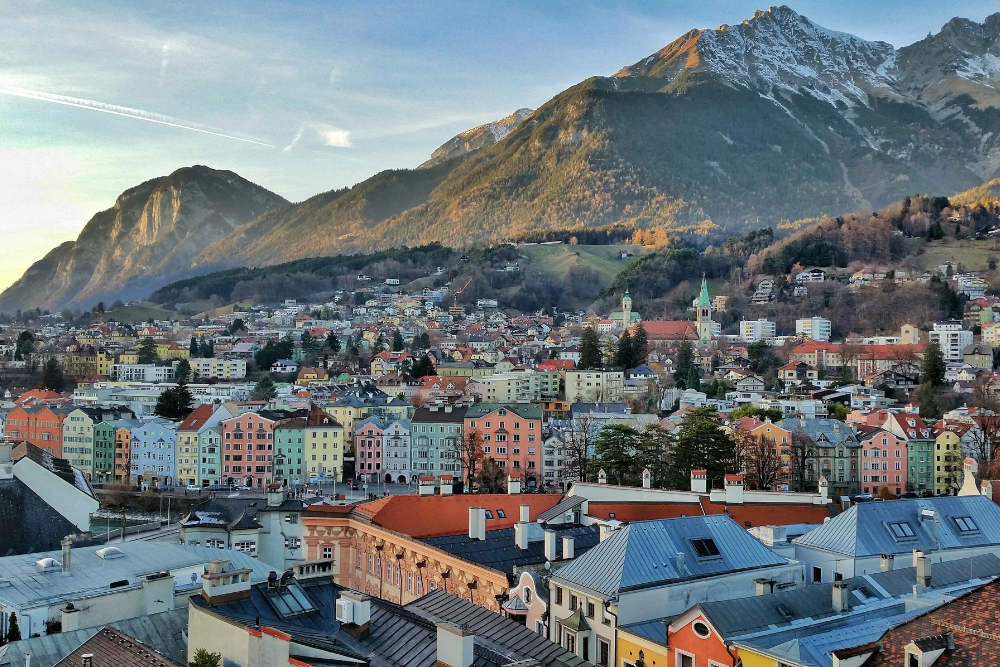
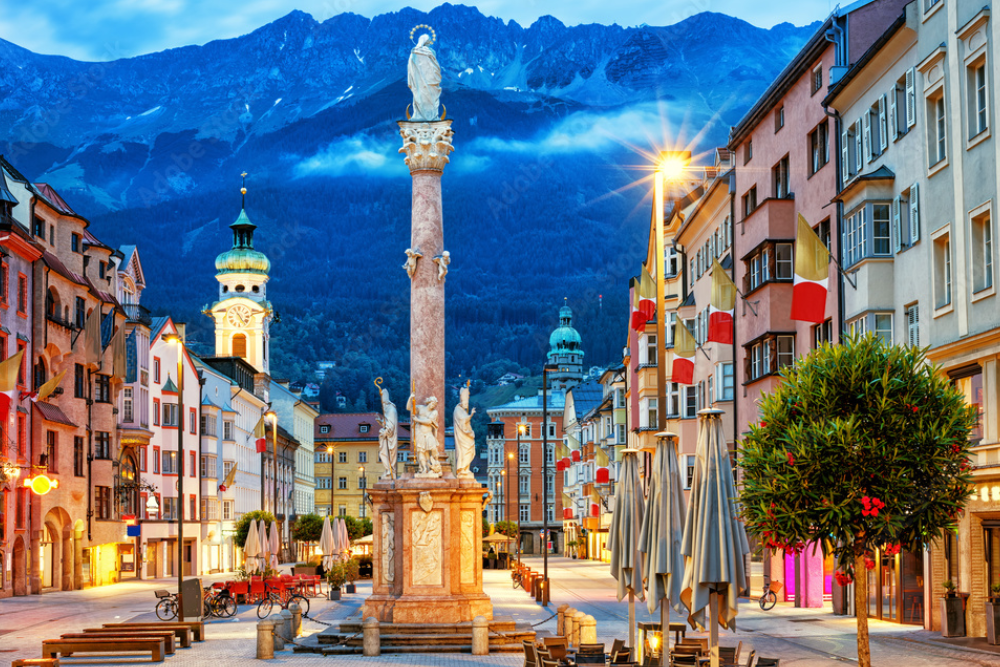
- The capital of Tyrol, Innsbruck, is an energetic city that consistently mixes history with experience. Begin with the Brilliant Rooftop (Goldenes Dachl), a milestone of Innsbruck, and investigate the cobblestone roads of the Old Town. The Hofburg Royal residence and the Court Church give a brief look into Tyrol’s majestic past. For experience devotees, the Nordkette Mountain Reach, available through trolley from the city, offers skiing, snowboarding, and climbing trails with all encompassing perspectives.
Otztal Valley – Adventure Awaits
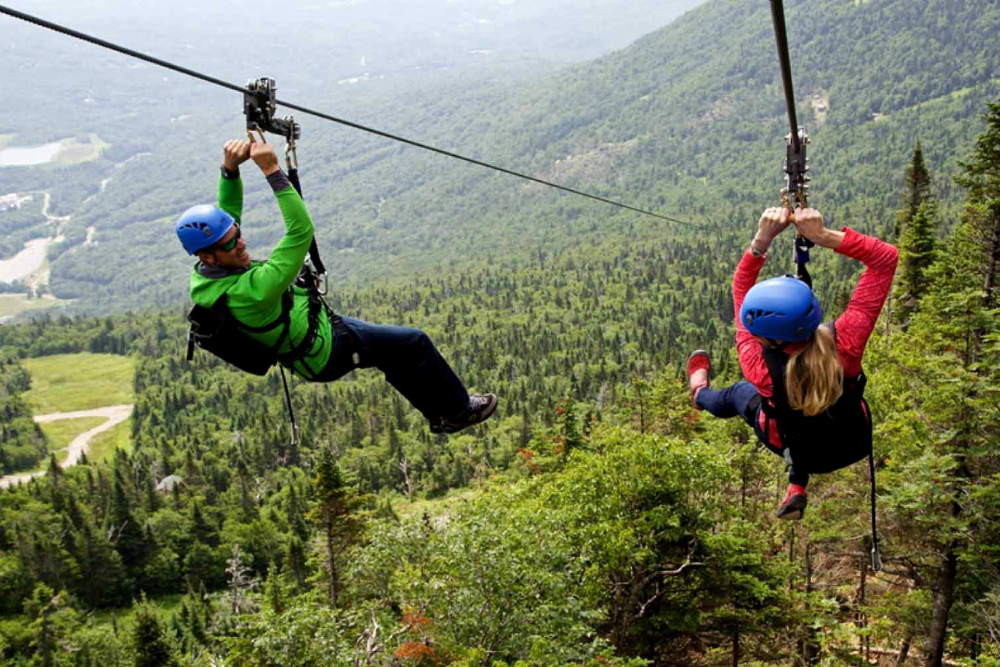
- The Otztal Valley is a swashbuckler’s fantasy. Home to Sölden and Obergurgl, a portion of Austria’s most renowned ski resorts, the valley is ideal for winter sports. In summer, the Stuibenfall Cascade, the tallest cascade in Tyrol, offers a completely exhilarating through ferrata experience. Try not to miss Region 47, an outside experience park including boating, canyoning, zip-coating, and that’s only the tip of the iceberg.
Achensee – Tyrol’s Largest Alpine Lake
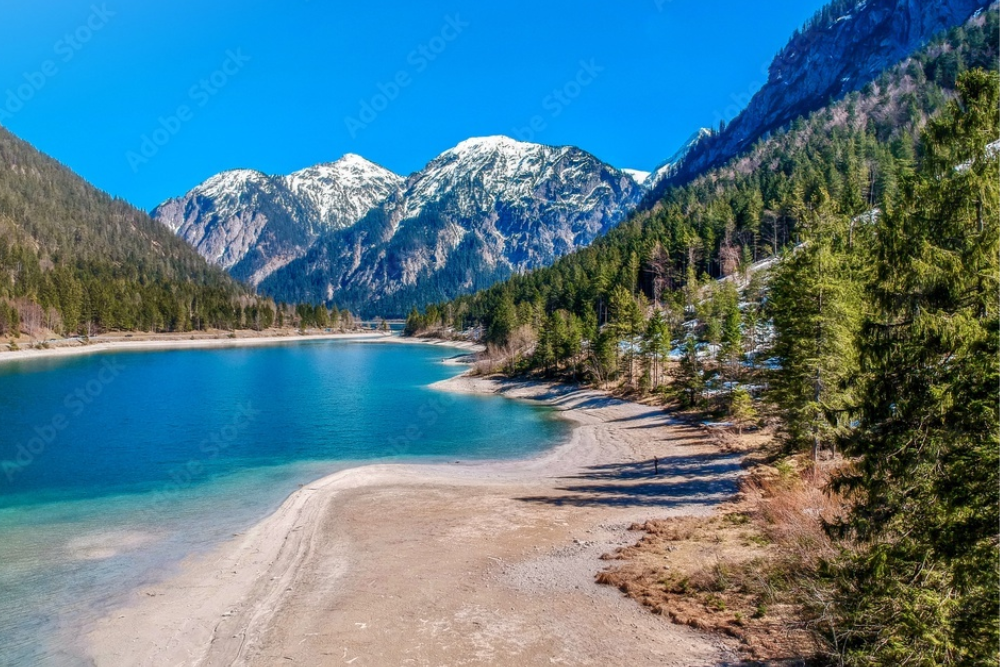
- Known as the “Fjord of the Alps,” Achensee is a shocking turquoise lake encompassed by mountains. It’s great for water sports like cruising, paddleboarding, and windsurfing in summer. Climbing and trekking trails around the lake give stunning perspectives. During winter, the encompassing Rofan and Karwendel mountains become a safe house for snowshoeing and crosscountry skiing.
Zillertal Valley – Outdoor Paradise
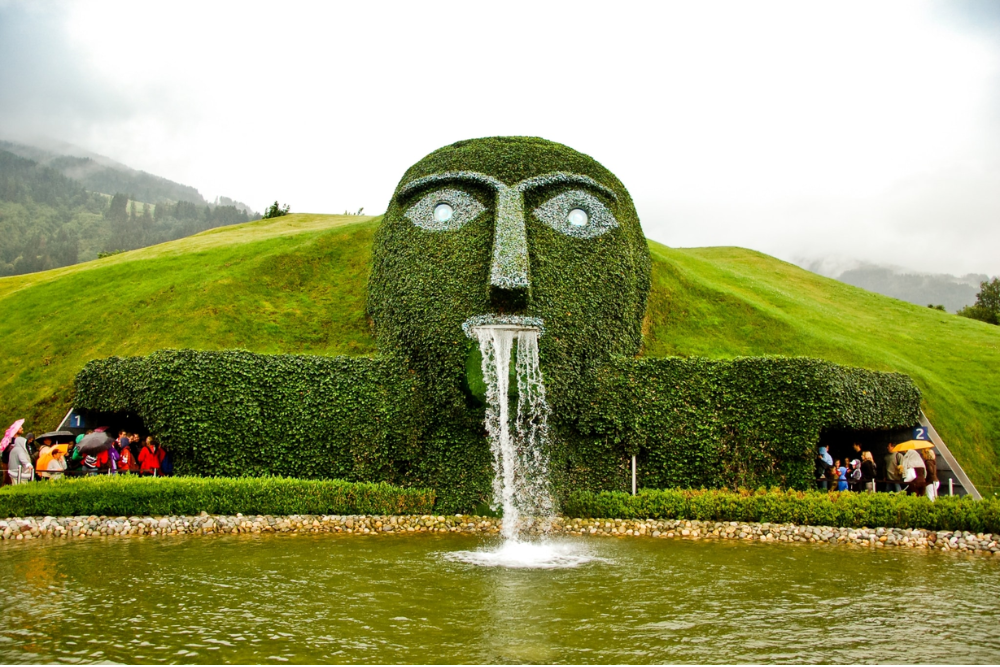
- The Zillertal Valley is a center for outside exercises all year. In winter, the valley brags more than 500 km ski slants, while summer changes it into a safe house for explorers and climbers. The Zillertal High Snow capped Street offers a picturesque drive with remarkable vistas. The Bird Walk trail is an unquestionable necessity for those looking for a difficult yet compensating journey.
St. Anton am Arlberg – Birthplace of Alpine Skiing
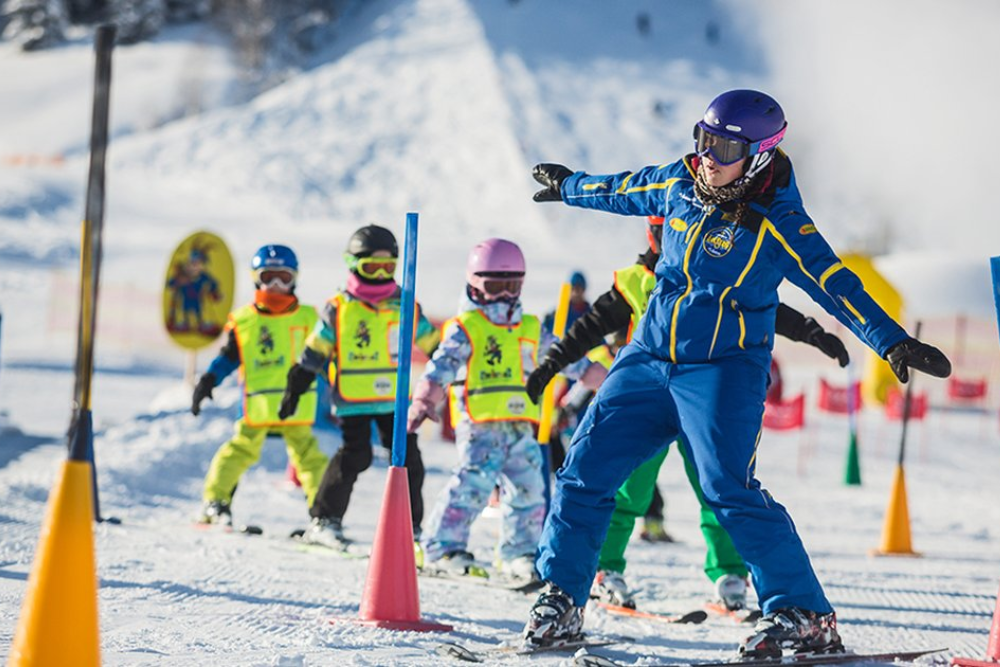
- St. Anton is inseparable from skiing, offering a-list inclines and après-ski diversion. It’s important for the biggest interconnected ski region in Austria. During summer, the district’s climbing and trekking trails take care of all ability levels. Try not to miss the Arlberg Wellbeing Park for a loosening up retreat following a day of experience.
Alpbach – Austria’s Most Beautiful Village
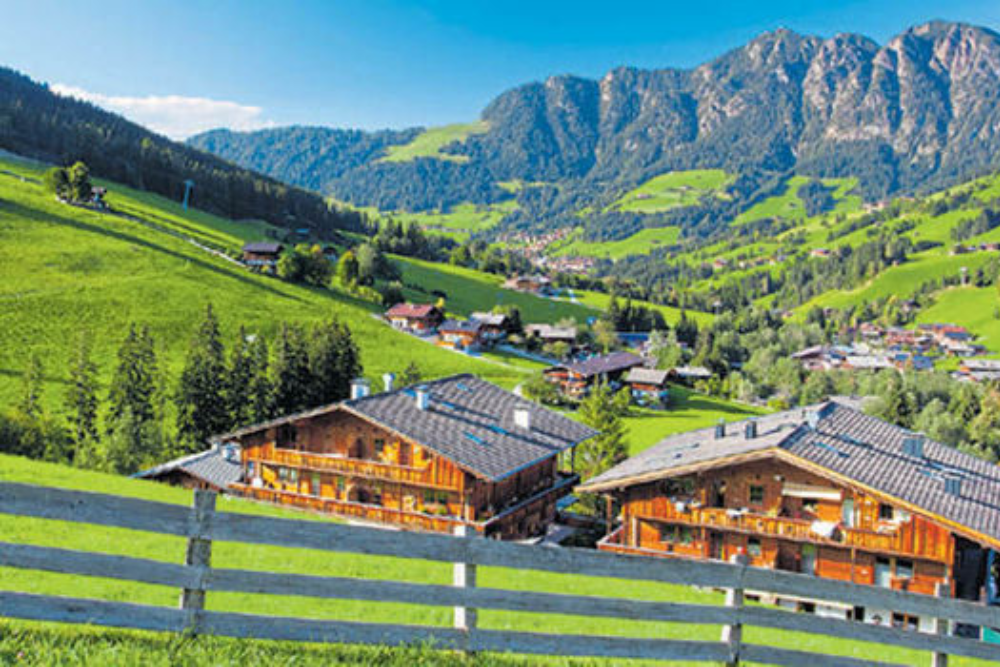
- Alpbach’s conventional wooden chalets and bloom filled overhangs make it a beautiful retreat. It’s an extraordinary base for climbing in the Wildschönau district and investigating close by gorges like the Kundler Klamm.
Kufstein – A Medieval Charm
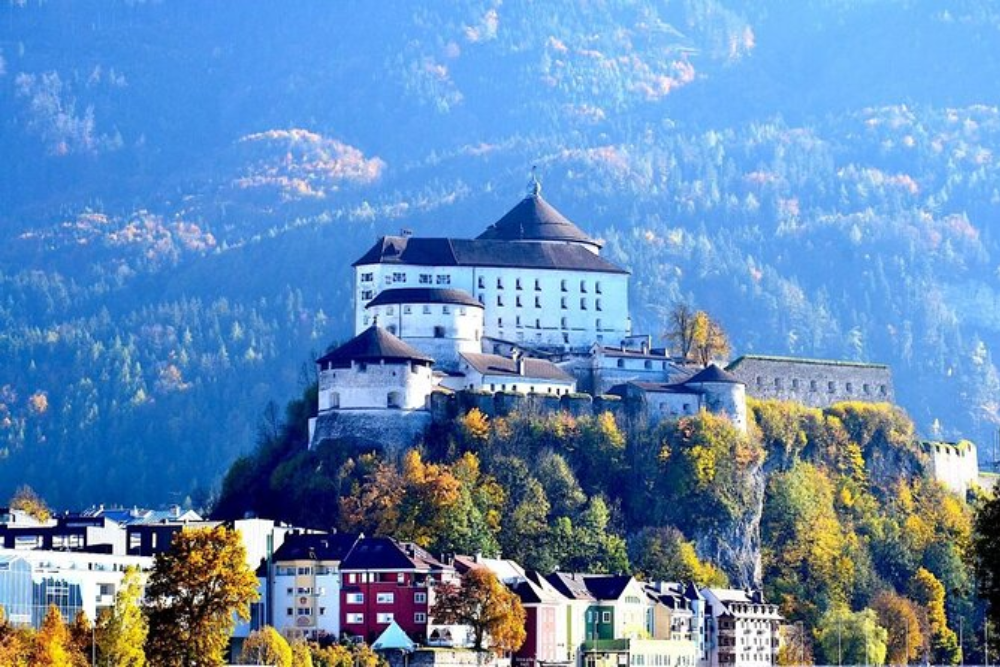
- The Kufstein Stronghold is a feature of this memorable town. Investigate its historical center and appreciate all encompassing perspectives on the encompassing scenes. The close by Kaiser Mountains offer incredible climbing and getting over amazing open doors.
Dos and Don’ts in Tyrol
Here are some dos and don’ts to keep in mind when visiting Tyrol:
Dos:
- Do explore the outdoor adventures – Tyrol is renowned for its skiing, climbing, and mountain trekking, so make certain to embrace the area’s staggering scenes through outside exercises.
- Do respect local customs – Tyrolean culture values neighborliness and regard, so welcome local people with a cordial “Grüß Gott” (hi) and be respectful.
- Do try Tyrolean cuisine – Enjoy neighborhood claims to fame like Tyrolean bacon, spot, Kaiserschmarrn (sweet hotcake dish), and good snow capped stews.
Don’ts:
- Don’t litter – Keep Tyrol delightful by discarding waste capably, particularly in regular regions and climbing trails.
- Don’t disturb wildlife While climbing or skiing, try not to upset neighborhood creatures like marmots and ibexes, particularly in safeguarded regions.
- Don’t ignore avalanche warnings – Assuming you’re skiing or snowboarding, make a point to check the climate and torrential slide conjectures, and consistently observe security rules.
Best time to reach in Tyrol
The best time to visit Tyrol largely depends on the kind of experience you’re looking for:
- Winter (December to March) – In the event that you love skiing, snowboarding, or other winter sports, winter is the best opportunity to visit Tyrol. The district is famous for its fantastic ski resorts, and the snow-shrouded Alps give a dazzling winter wonderland. This is the pinnacle season, so be ready at greater expenses and swarmed hotels, yet the ski conditions are unparalleled.
- Summer (June to September) – For climbing, cycling, and outside investigation, summer is great. The weather conditions is warm (yet not excessively blistering), making it ideal for partaking in the normal magnificence of Tyrol’s valleys, lakes, and mountains. You can likewise encounter Tyrol’s high verdure during this time. It’s likewise the season for celebrations and neighborhood occasions, so there’s a lot of social liveliness.
- Spring (April to May) – Spring is an incredible opportunity to visit in the event that you favor less groups and milder climate. While it’s not the most ideal time for skiing, you can appreciate early-season climbing and trekking as the snow softens, uncovering lavish green glades and blooms in the valleys.
- Autumn (October to November) – In the event that you’re into fall tones, pre-winter is a fabulous chance to encounter Tyrol. The weather conditions is as yet charming, and the district is less packed. This is likewise collect season, so you can test nearby produce and experience gather celebrations.