


Introduction
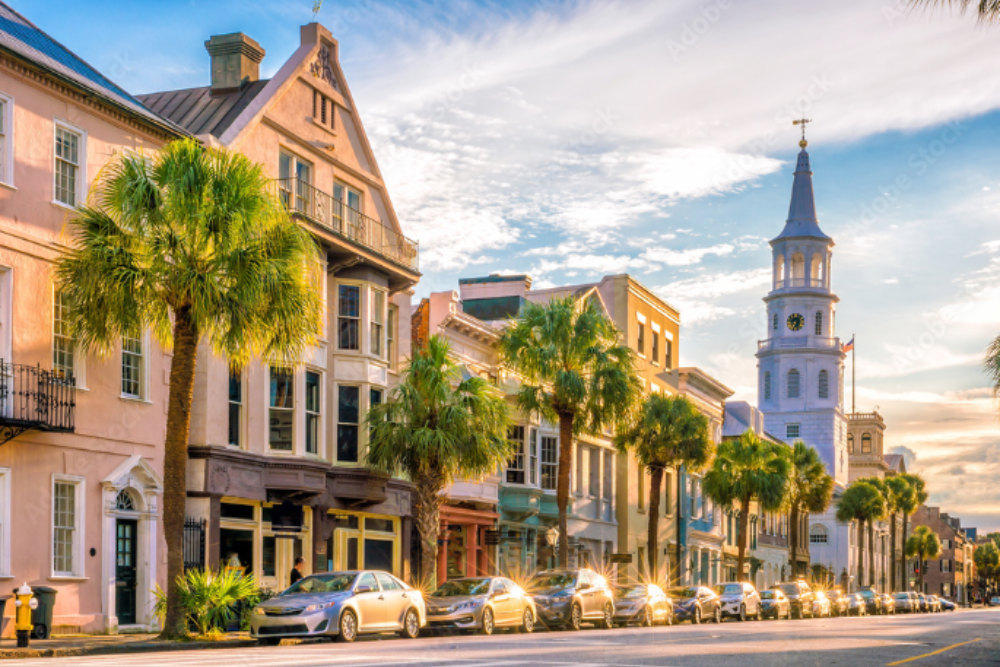
Charleston, South Carolina, is a memorable beach front city known for its very much safeguarded design, rich history, and Southern appeal. Established in 1670, it assumed a huge part in American history, especially during the frontier period, the Progressive Conflict, and the nationwide conflict. Charleston is well known for its cobblestone roads, pastel prior to the war houses, and memorable milestones like Stronghold Sumter, where the primary shots of the nationwide conflict were discharged. The city is likewise known for its lively expressions scene, phenomenal fish, and neighborliness, making it a famous traveler objective in the U.S. Southeast.
Historic District
- Charleston’s architecturally significant area is the core of the city, loaded up with cobblestone roads, notable homes, chapels, and nurseries. Guests can stroll through very much saved provincial and prior to the war design, including well known roads like The Battery and Rainbow Line.
- The Battery: A grand promenade along the Charleston waterfront, fixed with memorable chateaus and sitting above Charleston Harbor. It’s great for a comfortable stroll with perspectives on Post Sumter and the harbor.
- Rainbow Column: A progression of pastel-hued Georgian houses along East Cove Road, tracing all the way back to the mid-eighteenth 100 years. These dynamic homes are among the most shot spots in Charleston.
Magnolia Plantation and Gardens
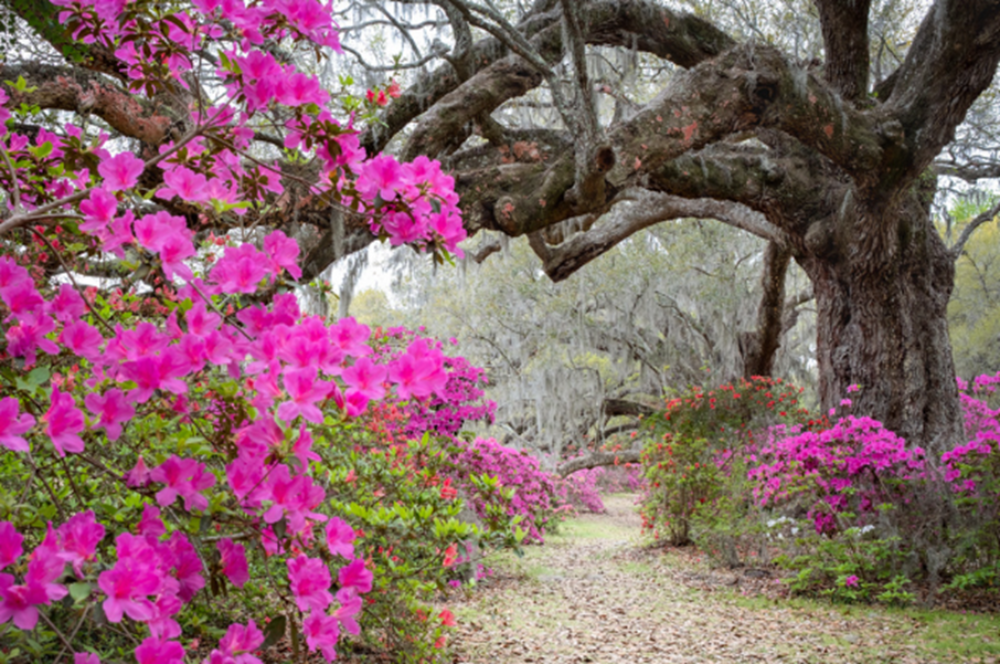
- Tracing all the way back to 1676, Magnolia Ranch is perhaps of the most established estate in the South and is eminent for its staggering nurseries. The manor offers directed voyages through the notable home, untamed life visits through the bogs, and delightful nurseries that sprout all year.
Middleton Place
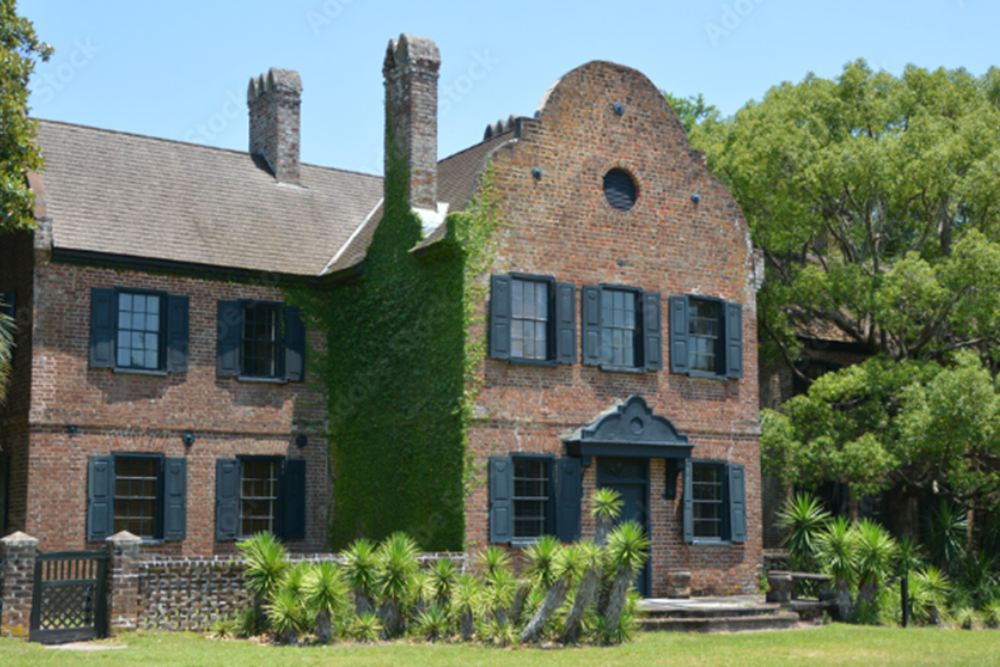
- A Public Noteworthy Milestone, Middleton Spot is another eminent manor renowned for its fastidiously planned proper nurseries, the most established finished gardens in the U.S. Guests can visit the house historical center and the steady yards, which feature customary Low country cultivating rehearses.
Arthur Ravenel Jr. Bridge

- Traversing the Cooper Stream, the Arthur Ravenel Jr. Span is perhaps of Charleston’s most unmistakable milestone. It’s a cutting edge designing wonder and offers a person on foot way for walkers, sprinters, and cyclists to appreciate all encompassing perspectives on the city, stream, and harbor.
Waterfront Park
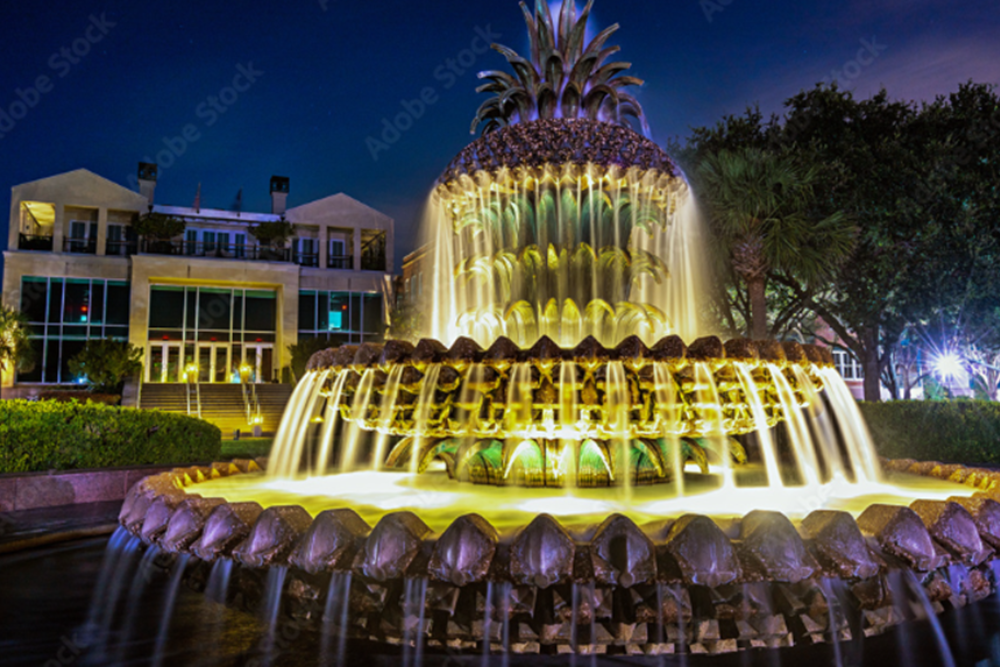
- This park is a most loved spot for the two vacationers and local people, offering shocking perspectives on Charleston Harbor. It highlights wellsprings, concealed seats, and the popular Pineapple Wellspring, representing Southern cordiality. It’s a serene spot to unwind or partake in an excursion while neglecting the water.
Drayton Hall
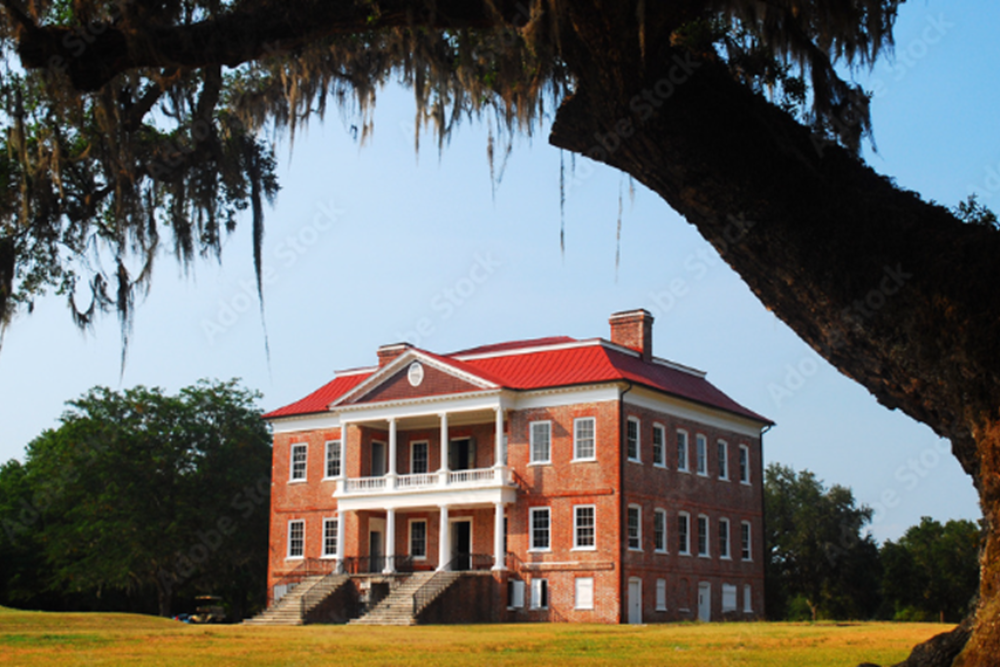
- Worked in 1738, Drayton Lobby is one of the most seasoned enduring instances of Georgian-Palladian engineering in the U.S. Dissimilar to different estates, it has been saved in its unique condition, offering guests a true gander at provincial time life. The property incorporates the fundamental house, notable burial ground, and strolling ways along the Ashley Waterway.
King Street
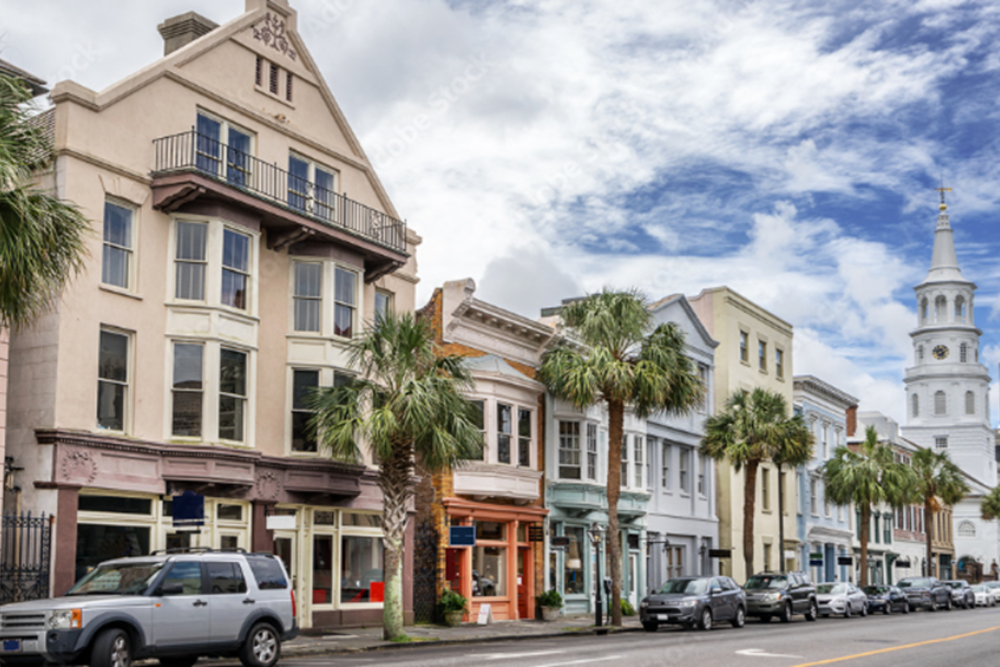
- Charleston’s Above all else Road is the head shopping and eating objective, loaded up with store shops, craftsmanship displays, cafés, and secondhand shops stores. The road is partitioned into three locale: Style Region, Classical Area, and Configuration Locale, taking care of a wide assortment of interests.
Boone Hall Plantation
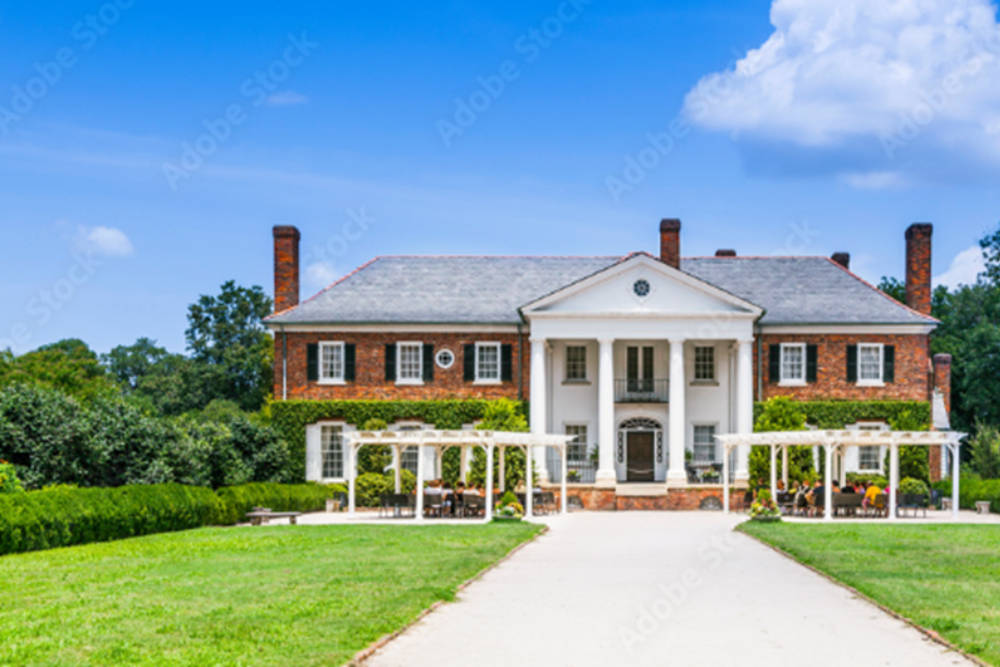
- Right beyond Charleston, Boone Corridor Estate is quite possibly of America’s most established working manor, known for its pleasant Road of Oaks — a dazzling way fixed with extremely old live oaks hung in Spanish greenery. Guests can visit the house, unique slave lodges, and gardens while finding out about the estate’s set of experiences and advanced cultivating.
The Old Slave Mart Museum
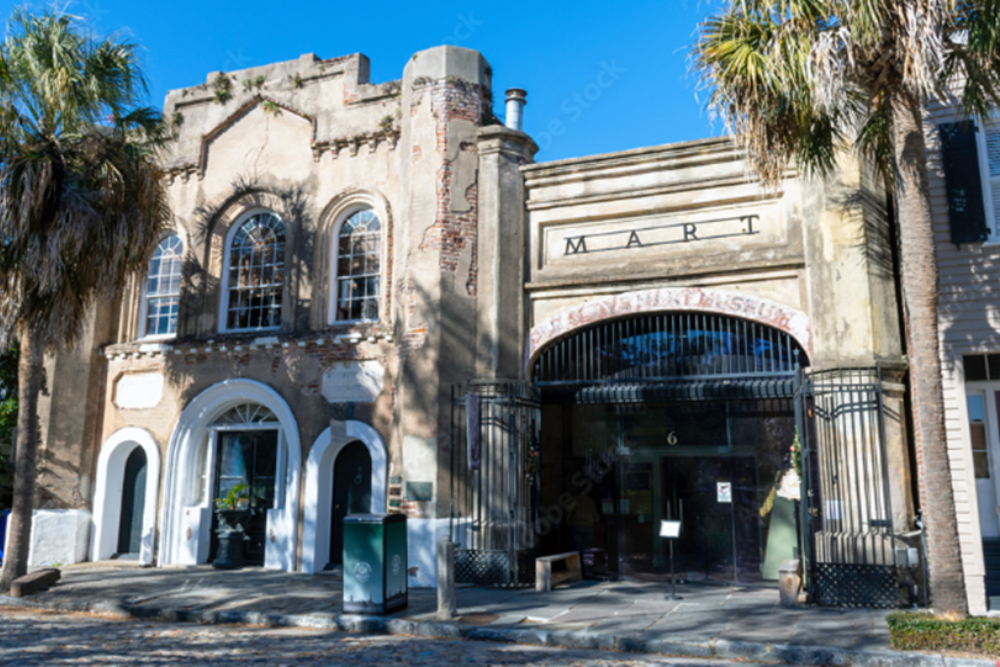
- Housed in a previous slave sell off exhibition, the Old Slave Shop Gallery recounts the tale of Charleston’s job in the overseas slave exchange. The gallery offers strong shows about the African American involvement with Charleston and the more extensive history of subjugation in the U.S.
Angel Oak Tree
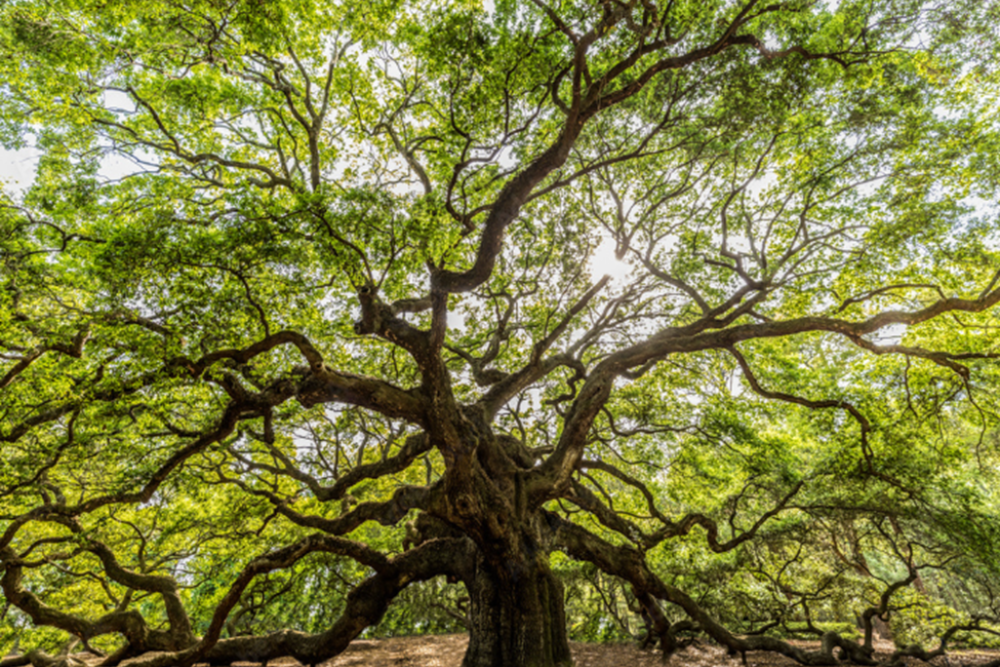
- Situated on Johns Island, the Holy messenger Oak Tree is a gigantic Southern live oak that is assessed to be north of 400 years of age. The tree’s rambling branches give a lofty sight, making it perhaps of the most famous normal milestone in the Charleston region.
The Nathaniel Russell House
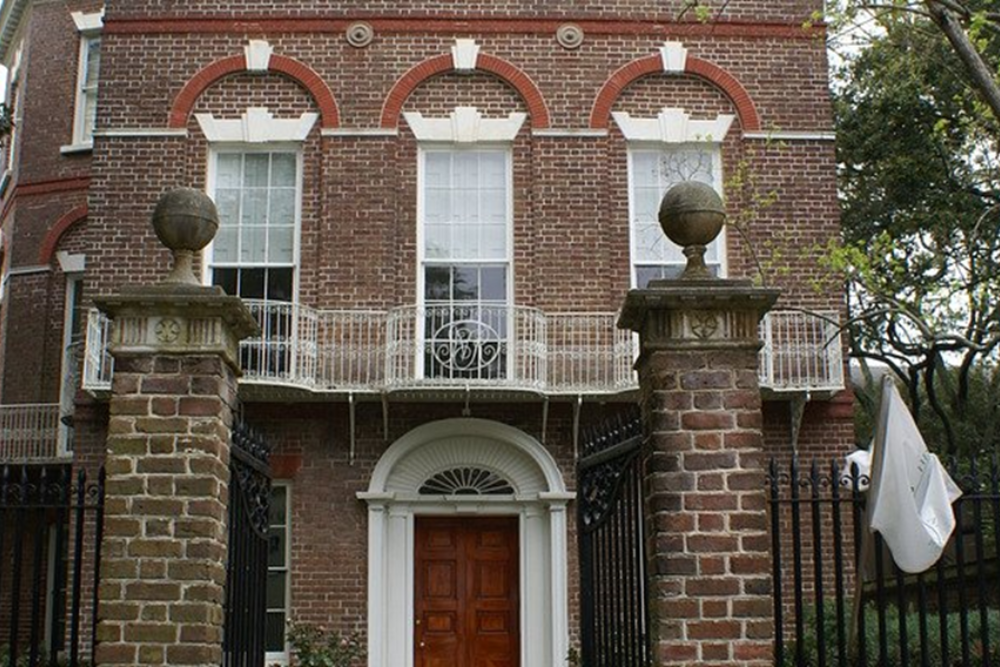
- This 1808 neoclassical house is a work of art of Government style design. Overseen by the Notable Charleston Establishment, the Nathaniel Russell House offers directed visits that feature the extravagance of Charleston’s rich world class in the mid nineteenth 100 years. The homes inside, alongside its rambling nurseries, are flawlessly reestablished.
Dos and Don’ts in Charleston
While visiting Charleston, South Carolina, it’s essential to be aware of its Southern accommodation, verifiable importance, and neighborhood customs. Here is a rundown of key customs to assist with guaranteeing a smooth and pleasant visit:
Dos
- Do respect the history: Charleston is a city wealthy ever, from the pioneer period to the nationwide conflict. While visiting memorable locales like Post Sumter, manors, and prewar homes, be deferential of their importance and delicate points like subjection.
- Do take a mobile visit: Charleston’s architecturally significant area is best investigated by walking. Join a directed strolling visit to find out about the city’s set of experiences, design, and stories from learned guides.
- Do embrace Southern neighborliness: Charleston is known for its warm and amicable local people. Welcome individuals with a grin, be well mannered, and partake in the friendliness, whether you’re in an eatery, shop, or in the city.
Don’ts
- Try not to stroll in the city with liquor: Charleston has severe open compartment regulations. Try not to drink liquor in the city or convey open compartments of liquor in broad daylight spaces.
- Try not to be rude at memorable locales: Charleston’s past incorporates troublesome sections connected with subjugation and war. Try not to downplay delicate points, and be deferential while visiting places like the Old Slave Shop Historical center or ranches.
- Try not to impede the walkways: Charleston’s walkways are restricted, particularly in the historically significant area. Be respectful by keeping aside and not hindering the way for other people.
Best time to reach in Charleston
The best opportunity to visit Charleston, South Carolina, is in the spring (Walk to May) or fall (September to November). Here is a breakdown of why these seasons are great:
Spring (Walk to May)
- Gentle Climate: Temperatures range from the low 60s to mid-70s°F (16-24°C), making it ideal for open air exercises like strolling visits, visiting ranches, and investigating sea shores.
- Sprouting Nurseries: Charleston’s nurseries and parks are in full blossom, with azaleas, magnolias, and dogwoods adding dynamic tones to the scene.
- Celebrations: Spring is celebration season, with occasions like the Spoleto Celebration USA (expressions and music) and Charleston Wine + Food Celebration drawing guests from around the world.
Fall (September to November)
- Agreeable Temperatures: Decrease offers cooler, lovely climate with temperatures going from the mid-60s to mid-70s°F (18-24°C).
- Less Groups: The travel industry dials back after summer, making it simpler to partake in Charleston’s top attractions without enormous groups.
- Fall Foliage: While not as emotional as in a few different locales, the changing varieties in Charleston’s nurseries stops actually give a wonderful setting.
Different Contemplations
- Summer (June to August): Charleston’s late spring can be sweltering and muggy, with temperatures frequently during the 80s-90s°F (27-35°C), but at the same time it’s the pinnacle vacationer season. Ocean side darlings might partake in this time, yet anticipate higher mugginess, downpour, and groups.
- Winter (December to February): Winters are gentle, with temperatures averaging 40-60°F (4-15°C). While not great for ocean side outings, it’s a calmer opportunity to investigate the city, and occasion occasions like the Occasion Celebration of Lights add engage.