


Introduction
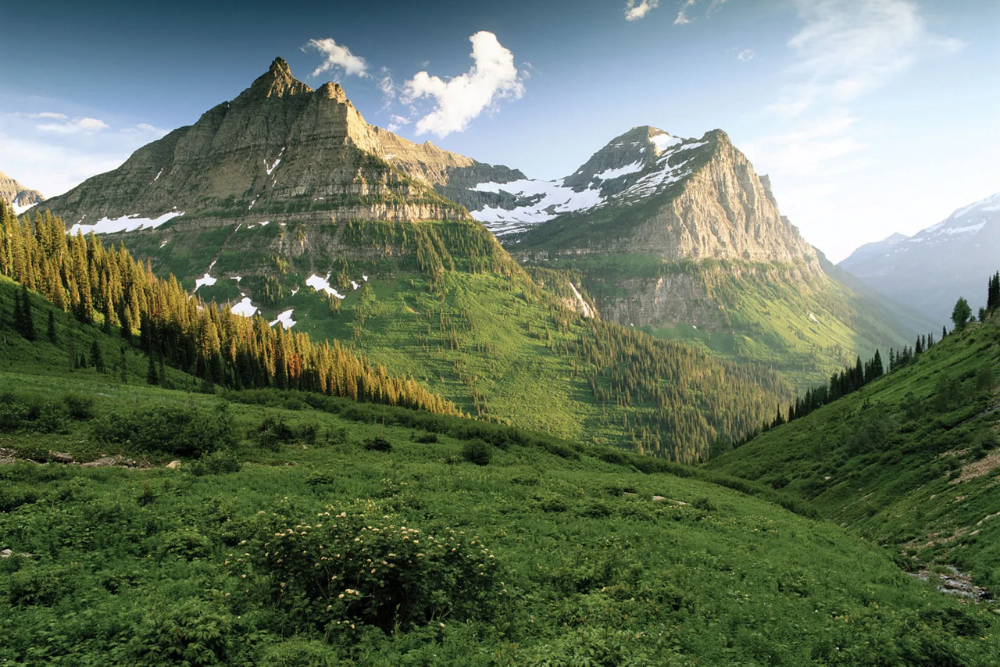
Montana, situated in the northwestern US, is known for its dazzling normal scenes, including the Rough Mountains, extensive grasslands, and various public parks. The state offers a scope of outside exercises like climbing, fishing, and skiing. Eminent attractions incorporate Ice sheet Public Park, Yellowstone Public Park, and the noteworthy town of Billings. Montana’s unassuming communities and immense wild regions give a blend of experience and quietness, making it a famous objective for nature sweethearts and those looking for a break from metropolitan life.
Glacier National Park
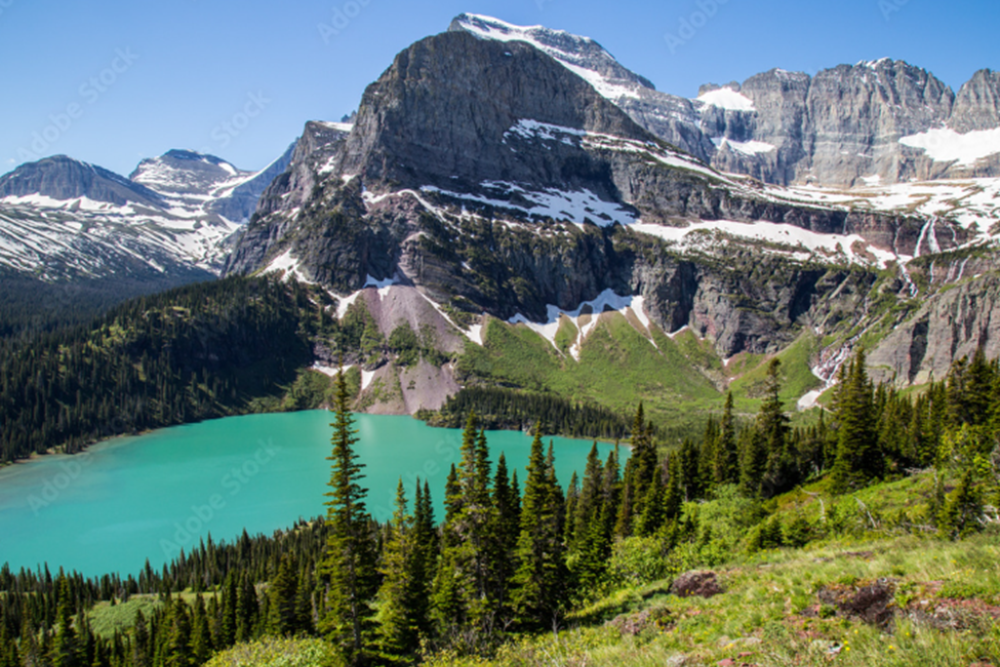
- Going-to-the-Sun Road: Notorious picturesque drive.
- Lake McDonald: Drifting and fishing.
- Secret Lake: Snowcapped Lake with climbing access.
- Numerous Ice sheet Region: Staggering landscape and untamed life.
- Grinnell Ice sheet: Testing climb with glacial mass perspectives.
Yellowstone National Park (North Entrance)
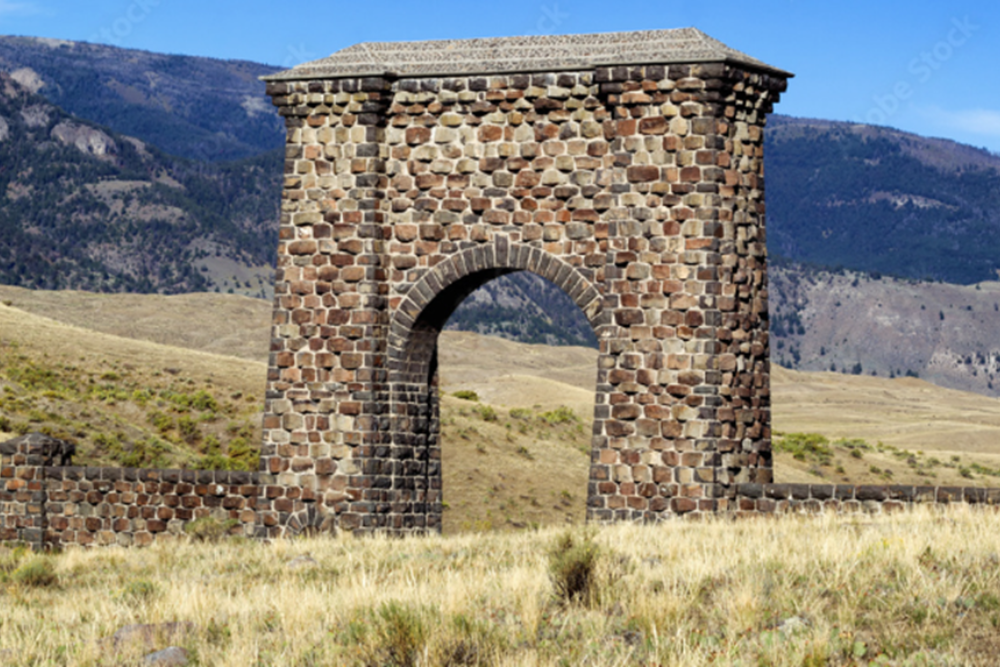
- Mammoth Hot Springs: One of a kind geothermal highlights.
- Lamar Valley: Natural life seeing, particularly buffalo and wolves.
- Gardiner: Passage town with verifiable destinations and stream exercises.
Big Sky Resort
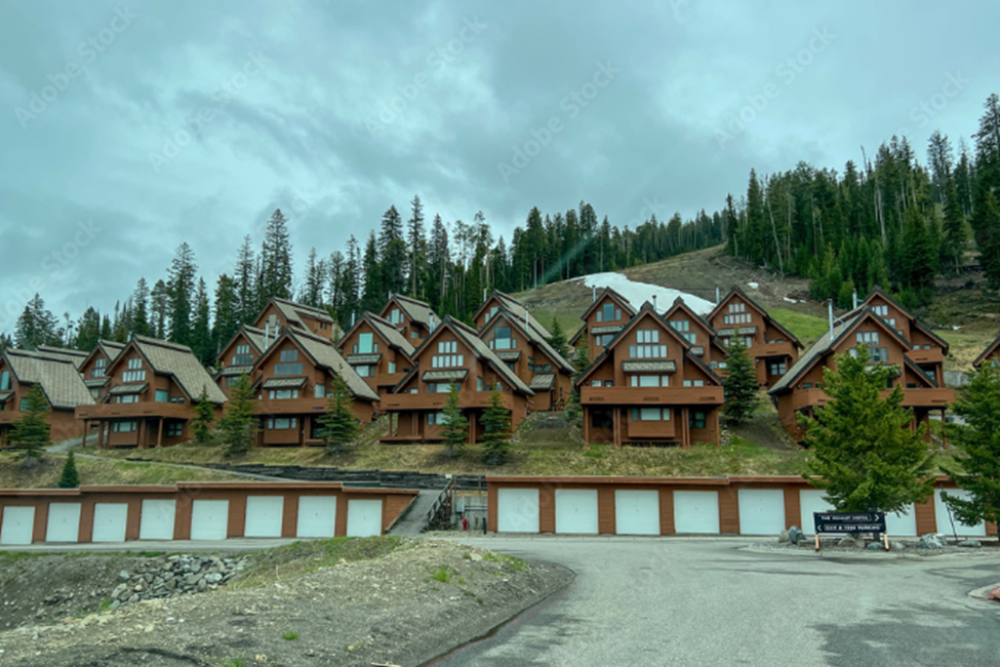
- Skiing and Snowboarding: Broad paths and changed landscape.
- Mountain Trekking: Trails for all levels.
- Summer Exercises: Climbing, zip-lining, and grand gondola rides.
Flathead Lake
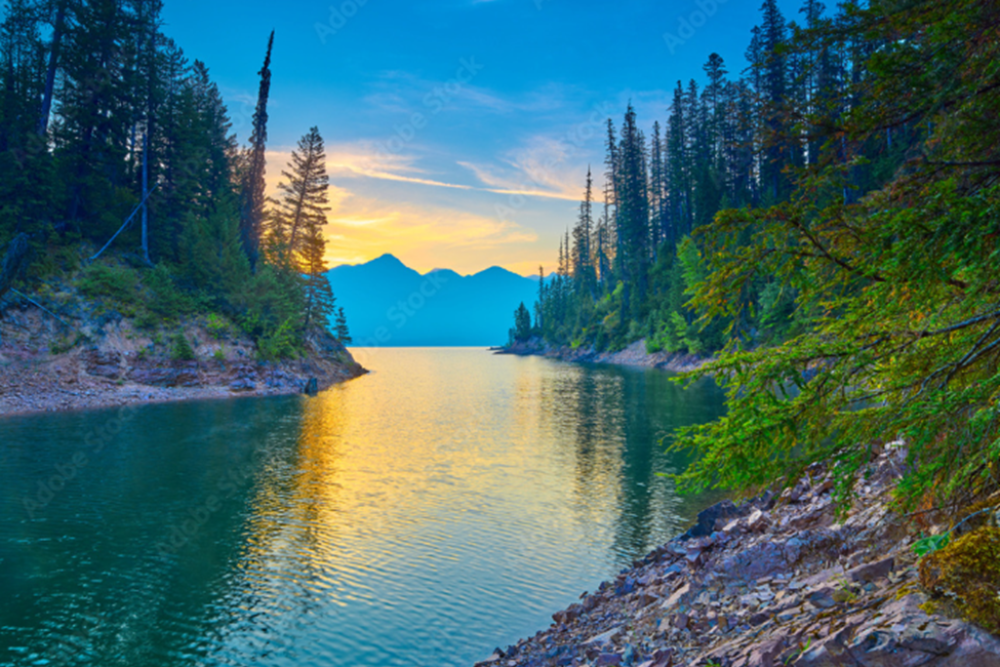
- Boating and Fishing: Biggest freshwater lake west of the Mississippi.
- State Parks: Climbing, setting up camp, and picnicking.
- Whitefish: Close by town with shops, eating, and winter sports.
Missoula
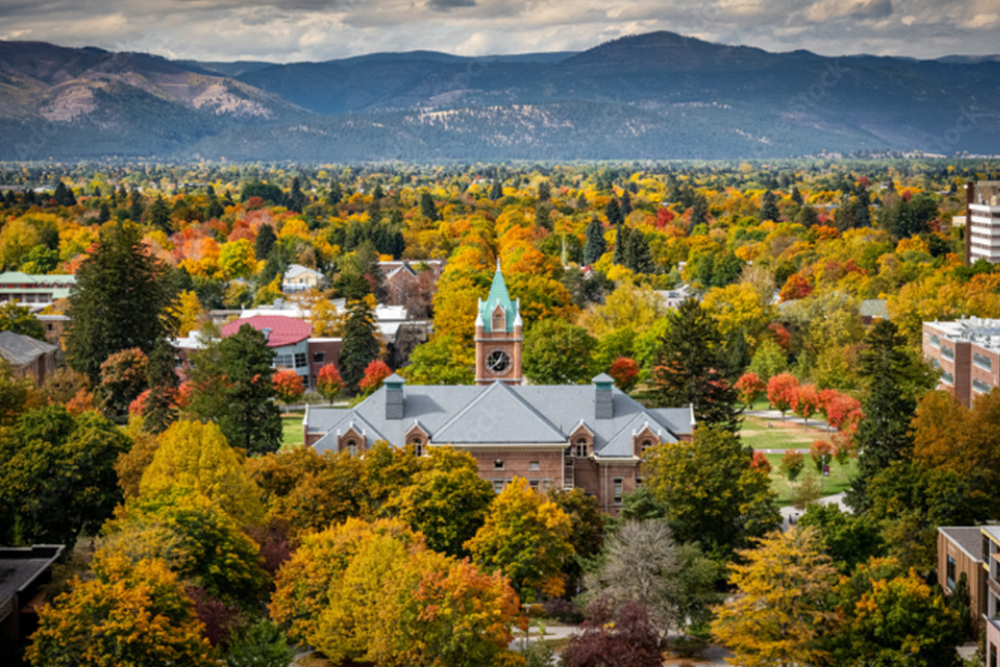
- University of Montana: Exhibition halls and far-reaching developments.
- Clark Fork Waterway: Kayaking and stream boating.
- Downtown Missoula: Dynamic region with eateries, shops, and distilleries.
Helena
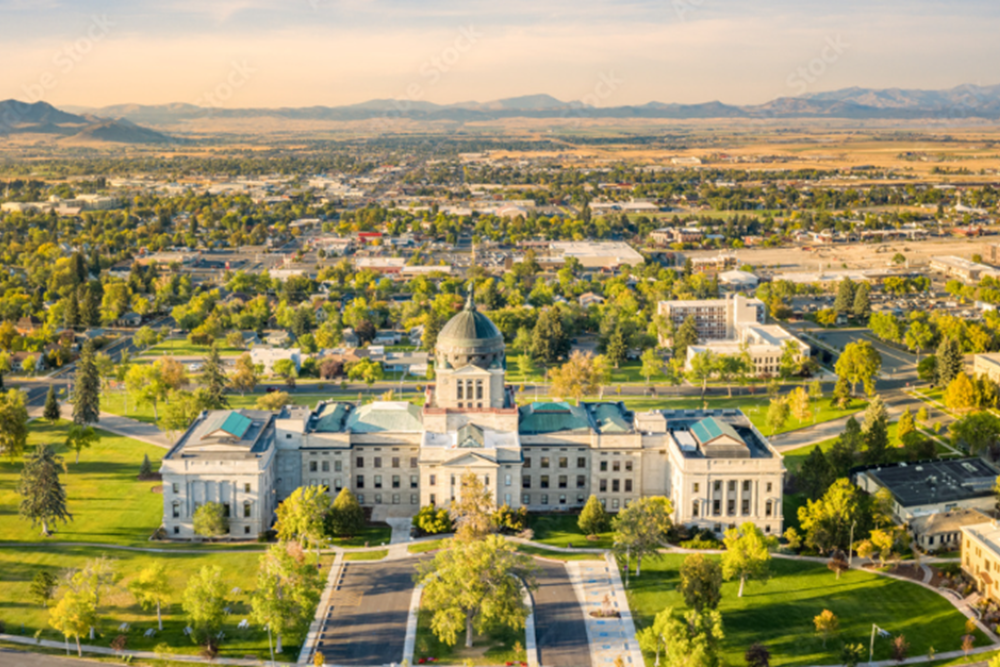
- Montana State Capitol: Noteworthy government building.
- Reeder’s Back street: Architecturally significant area with saved nineteenth century design.
- Archie Bawl Establishment: Prestigious ceramics studio and exhibition.
Bozeman
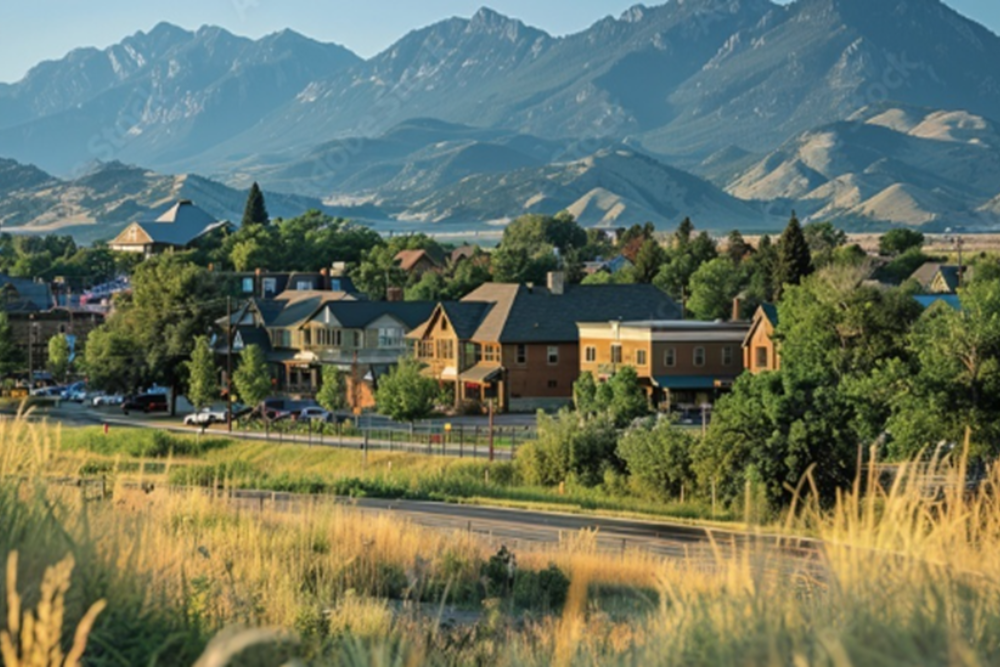
- Museum of the Rockies: Broad dinosaur fossil assortment and displays.
- Downtown Bozeman: Store shops, cafés, and notable structures.
- Bridger Bowl: Famous ski region close by.
Great Falls
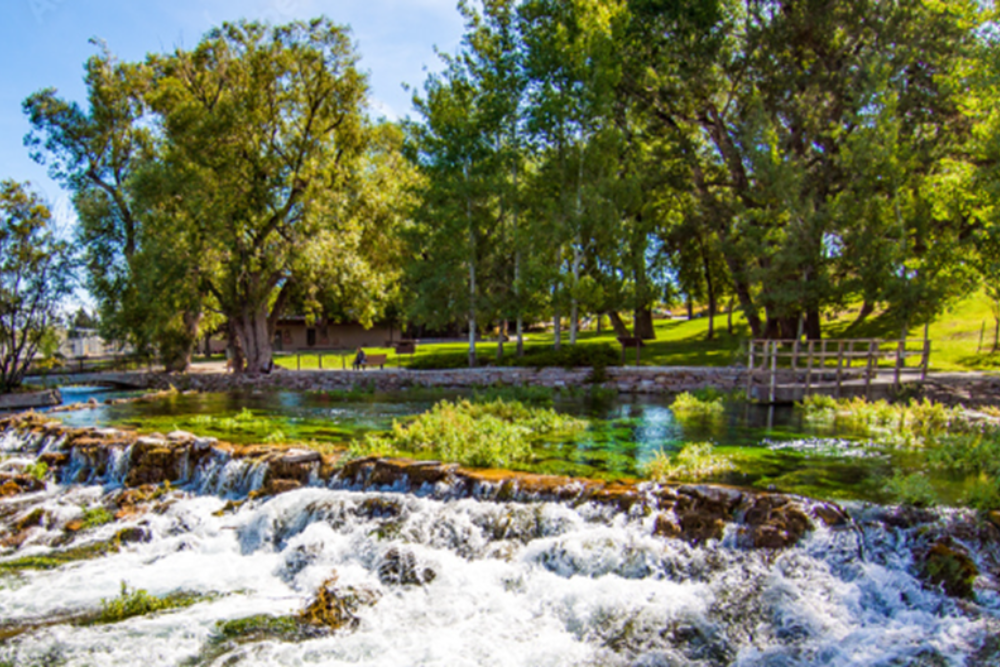
- Lewis and Clark Interpretive Center: Find out about the popular undertaking.
- Monster Springs State Park: Elements one of the biggest freshwater springs in the U.S.
- C.M. Russell Gallery: Grandstands crafted by Western craftsman Charles Marion Russell.
The Bear tooth Highway
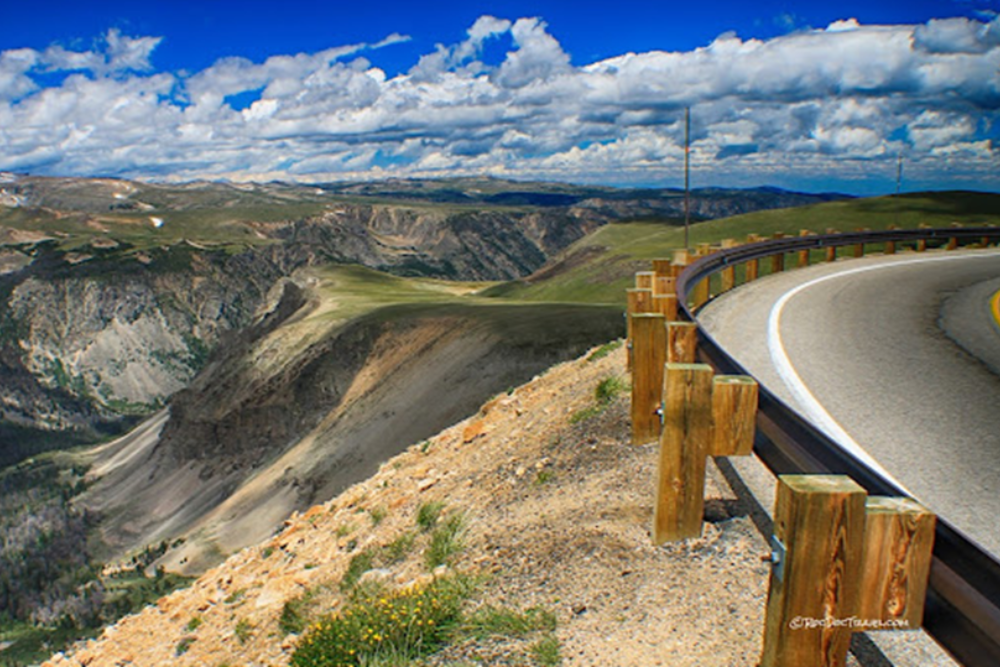
- Scenic Drive: Quite possibly of the greatest cleared street in North America with shocking mountain sees.
- Admittance to Yellowstone: Associates with the recreation area’s northeastern entry.
Butte
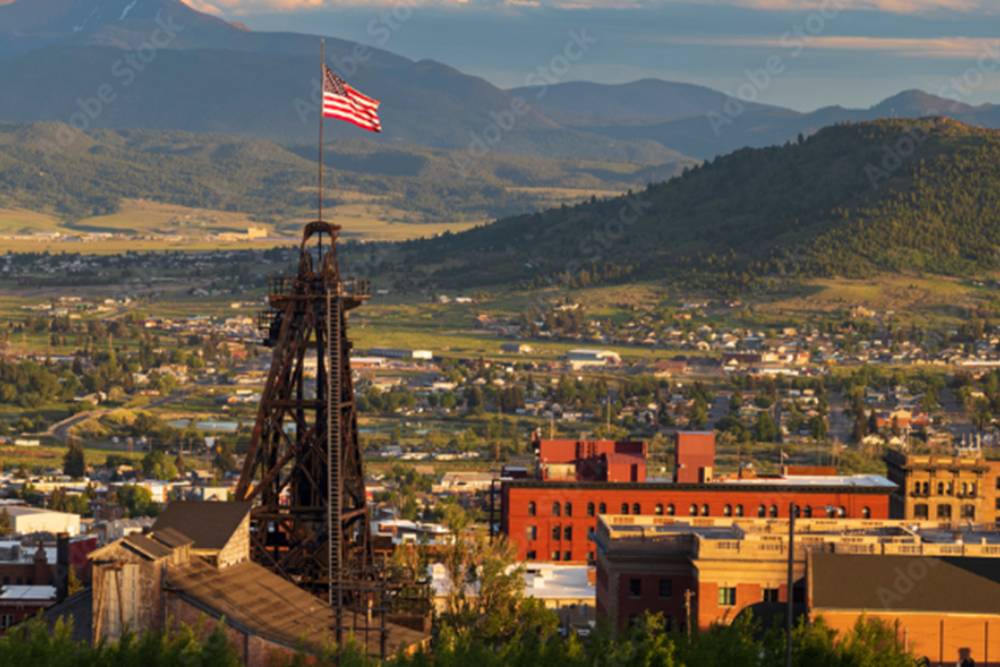
- Copper King Mansion: Noteworthy chateau mirroring Butte’s mining history.
- World Exhibition hall of Mining: Jam and deciphers the region’s mining legacy.
Red Lodge
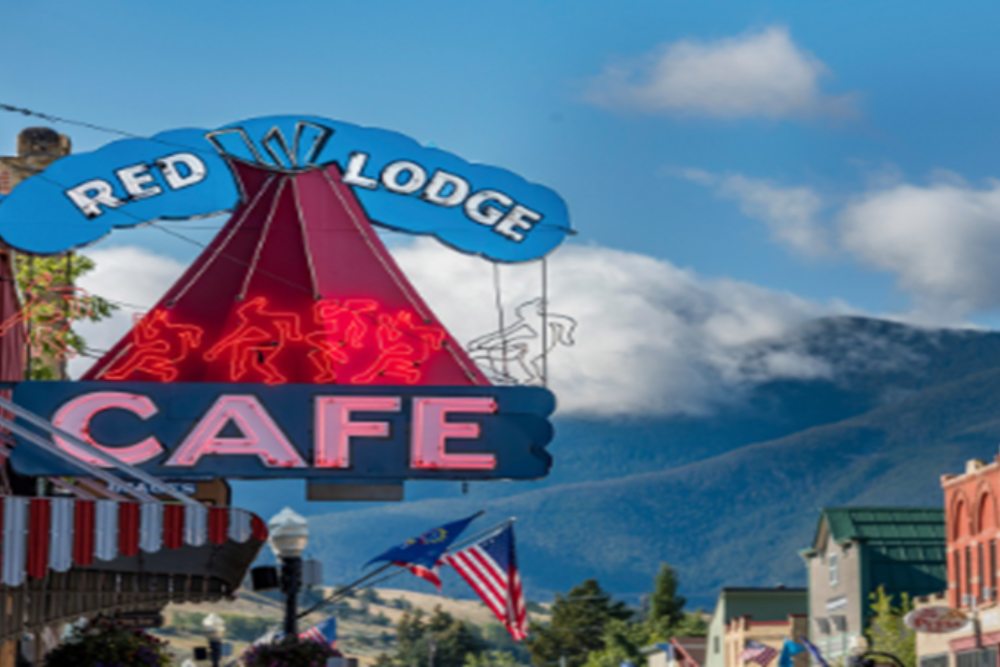
- Red Lodge Mountain Resort: Skiing and outside exercises.
- Picturesque Drives: Entryway to the Bear tooth Roadway and Yellowstone.
Anaconda
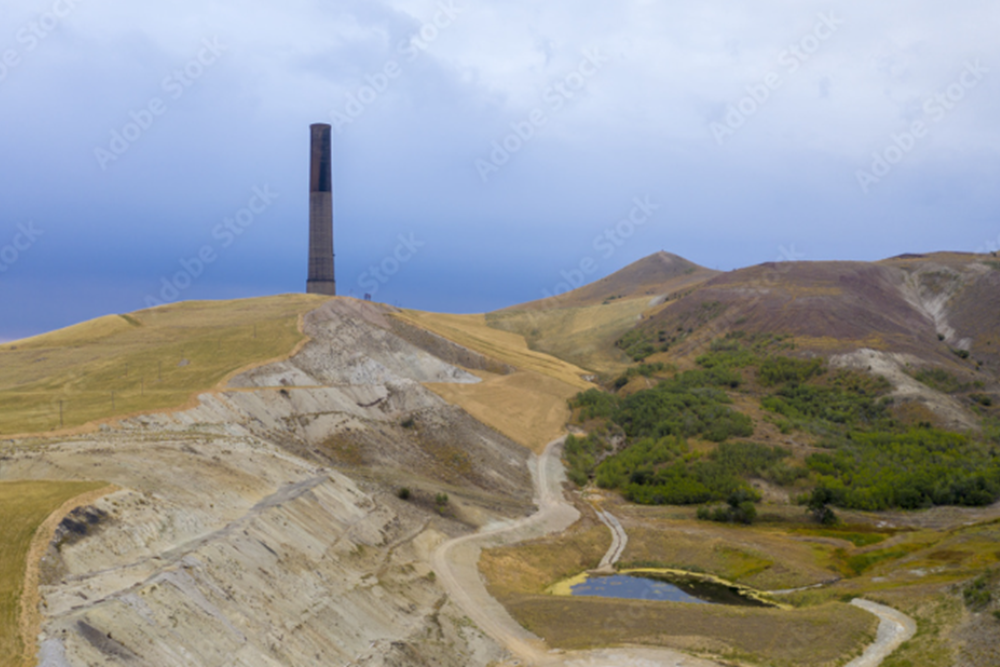
- Old Works Golf Course: A remarkable course planned on a previous Superfund site.
- Washoe Theater: Memorable auditorium with exemplary movies and occasions.
Dos and Don’ts in Montana
Dos:
- Do Respect Nature: Montana has huge wild regions and public parks like Icy mass and Yellowstone. Remain on assigned trails, try not to upset natural life, and pack out your rubbish.
- Do Dress in Layers: Climate in Montana can be eccentric, particularly in precipitous regions. Carry clothing layers to conform to evolving temperatures.
- Do Be Prepared for Wildlife: Assuming you’re climbing or setting up camp, convey bear shower and figure out how to utilize it. Know about other untamed life like moose and mountain lions.
Don’ts:
- Try not to Move toward Natural life: Regardless of how well disposed or quiet creatures might appear, maintain a protected separation. Never attempt to take care of or draw near to wild creatures.
- Try not to underrate the Climate: Winters can be cruel, and, surprisingly, in the late spring, mountain weather conditions can change rapidly. Continuously look at conjectures prior to heading.
- Try not to Light Fires Recklessly: Fierce blazes are a critical concern, particularly in the dry months. Adhere to all open air fire guidelines and completely quench fires.
Best time to reach in Montana
-
Summer (June to August):
- Climbing, open air undertakings, visiting public parks.
- This is top traveler season, particularly for Glacial mass and Yellowstone Public Parks. The weather conditions is warm, with temperatures going from 70°F to 90°F (21°C to 32°C). Trails are open, and natural life is bountiful.
- Ideal for open air exercises, celebrations, and clear perspectives on Montana’s shocking scenes.
- Swarmed, particularly in famous vacationer regions.
2. Fall (September to October):
- Grand drives, fall foliage, less groups.
- The temperatures begin to cool (40°F to 70°F/4°C to 21°C), and the scenes are painted with lively harvest time tones. It’s an incredible chance to partake in the outside with less travelers.
- Less groups, dazzling fall tones, lovely climate.
- A few offices in public stops might begin shutting in pre-winter.
3. Winter (December to February):
- Skiing, snowboarding, winter sports.
- Montana is a colder time of year wonderland with elite ski resorts like Enormous Sky and Bridger Bowl. Temperatures can decrease fundamentally, particularly in sloping regions (going from 0°F to 30°F/ – 18°C to – 1°C), however ideal for those adoration snow.
- Extraordinary for skiing, snowshoeing, and winter exercises, with less groups in public stops.
- Chilly climate and a few regions might be challenging to access because of snow.
4. Spring (April to May):
- Natural life seeing, less groups, blossoming wildflowers.
- Spring is a calmer time in Montana with cool, gentle climate (40°F to 65°F/4°C to 18°C). Snowmelt makes streams and cascades more fantastic, and creatures become more dynamic after winter.