


Introduction
Trieste is a dynamic port city situated in northeastern Italy, close to the boundary with Slovenia. Known for its rich history and different social impacts, Trieste has been molded by different realms, including the Austro-Hungarian Domain. The city flaunts shocking design, with features like the neoclassical Piazza Uinta d’Italia, one of the biggest seafront squares in Europe. Trieste is additionally popular for its espresso culture, with noteworthy bistros that mirror its artistic past, having been visited by prominent authors like James Joyce and Italo Svevo. The city is arranged along the Adriatic Ocean, offering lovely waterfront perspectives and open doors for outside exercises. Moreover, its multicultural environment, impacted by neighboring districts, makes it an exceptional objective in Italy.
Piazza Unita d’Italia
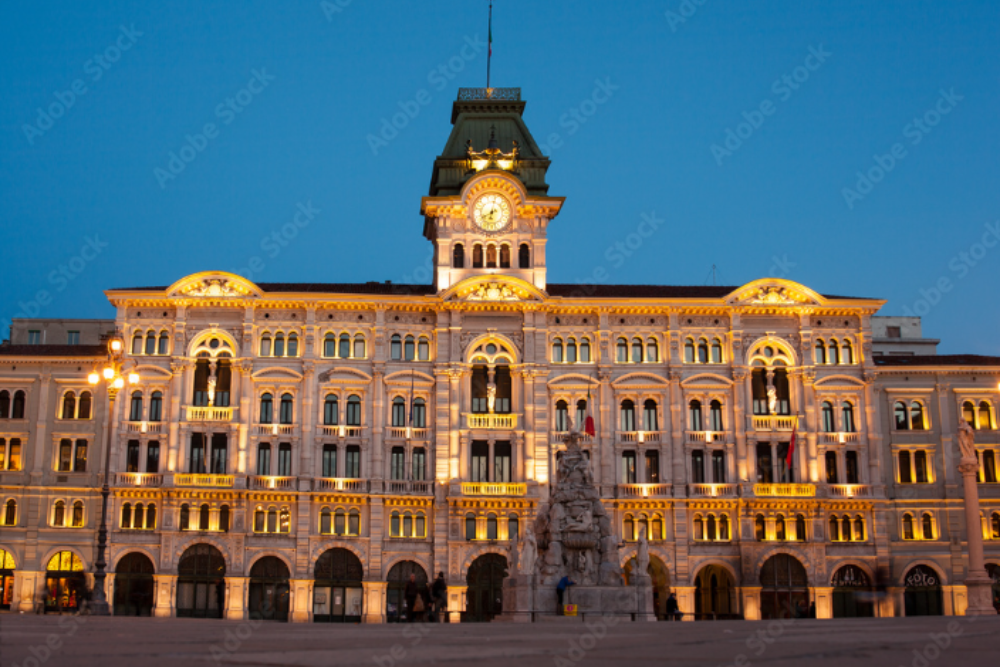
- Piazza Unità d’Italia is the biggest ocean confronting square in Europe and fills in as the core of Trieste. Encircled by amazing neoclassical structures, including the Municipal center and the Palazzo del Governo, the square offers stunning perspectives on the Adriatic Ocean. It’s a well-known social event place for local people and vacationers the same, making it ideal for relaxed walks or partaking in an espresso at one of the close by bistros.
Castello di Miramare
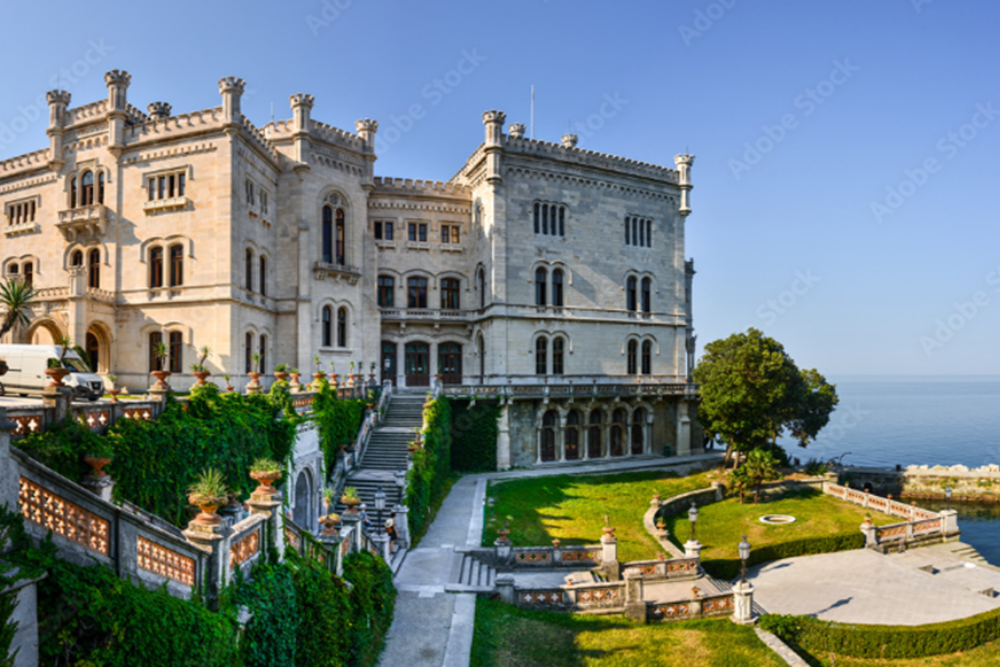
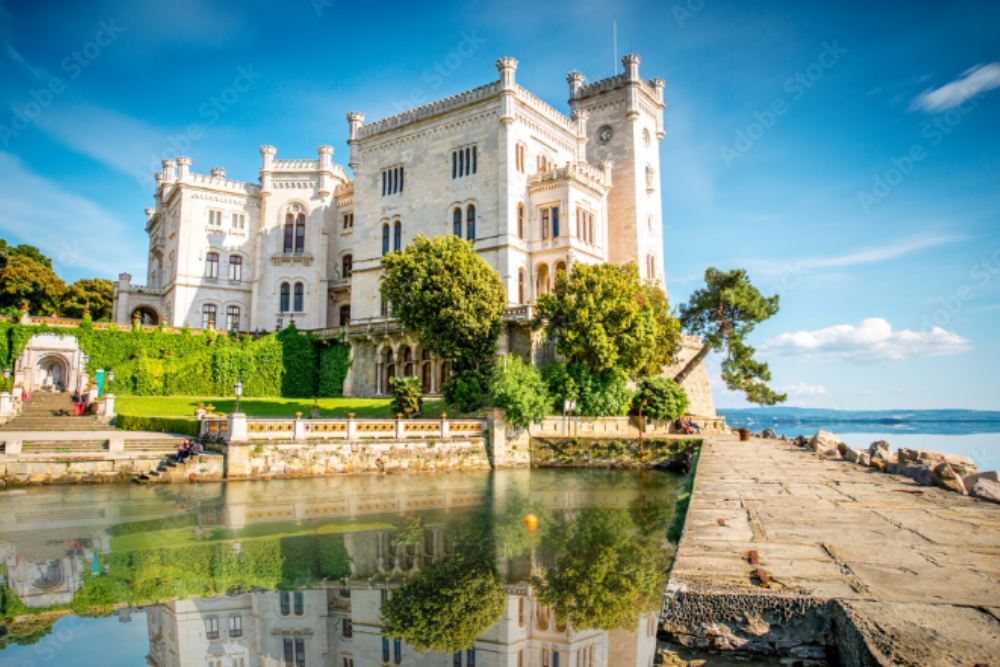
- Roosted on a precipice sitting above the Bay of Trieste, Castello di Miramare was worked for Archduke Ferdinand Maximilian of Austria in the nineteenth 100 years. The palace highlights dazzling design and wonderfully arranged gardens. Guests can investigate the lavish insides, which mirror the way of life of the Austro-Hungarian honorability, as well as appreciate all encompassing perspectives on the ocean.
Trieste Cathedral (Cattedrale di San Giusto)
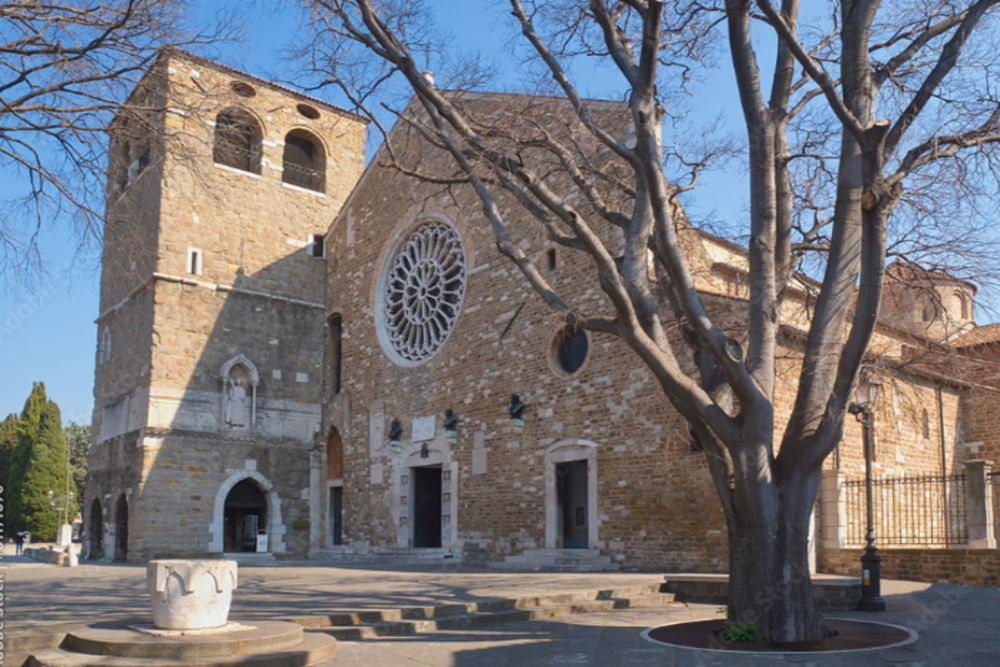
- Situated on the slope of San Giusto, this dazzling basilica is devoted to the city’s supporter holy person. The church building’s Romanesque engineering, lovely mosaics, and old relics make it a must-visit. The neighboring San Giusto Palace offers further authentic setting and great perspectives on the city.
Canal Grande
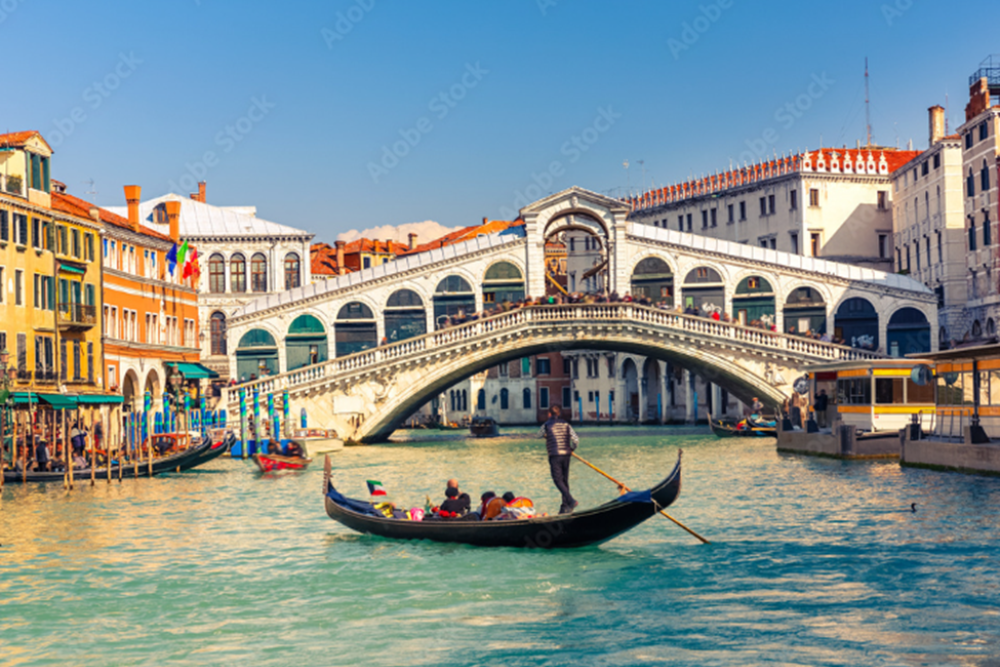
- Propelled by Venice, the Channel Grande is a beautiful stream fixed with enchanting structures, eateries, and bistros. A walk around the waterway permits you to see the value in the excellence of Trieste’s engineering and partake in the lively air. You can likewise take a directed boat visit to see the city from the water.
Teatro Romano
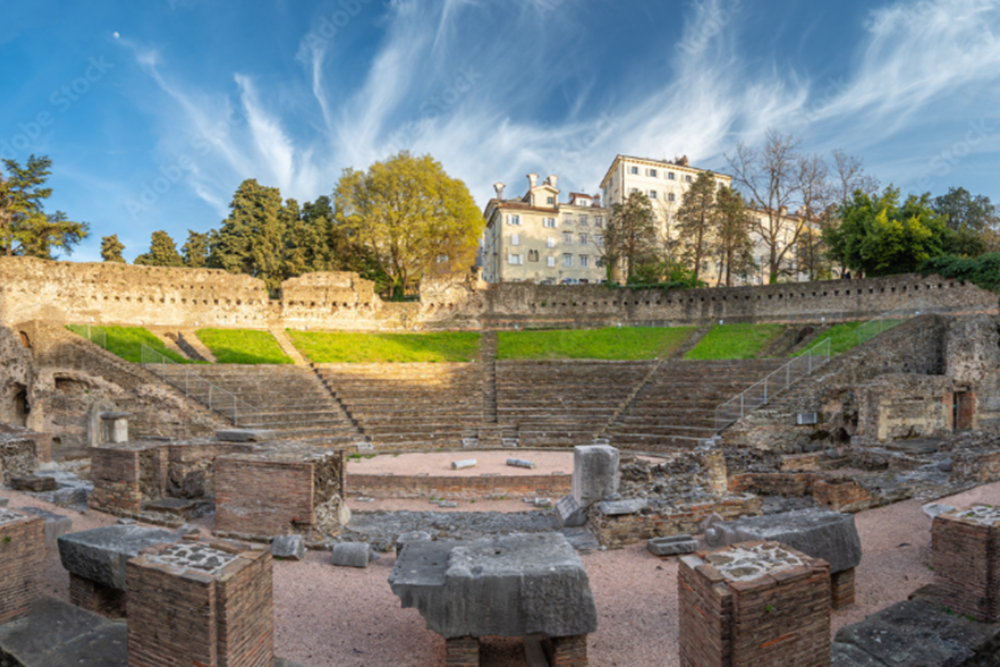
- This old Roman Theater, tracing all the way back to the first century Promotion, is an exceptional archeological site. It once obliged around 6,000 observers and is as yet utilized for exhibitions today. Guests can stroll through the remains and envision the stupendous scenes that occurred here, all while partaking in the scenery of the encompassing slopes.
Museo Revoltella
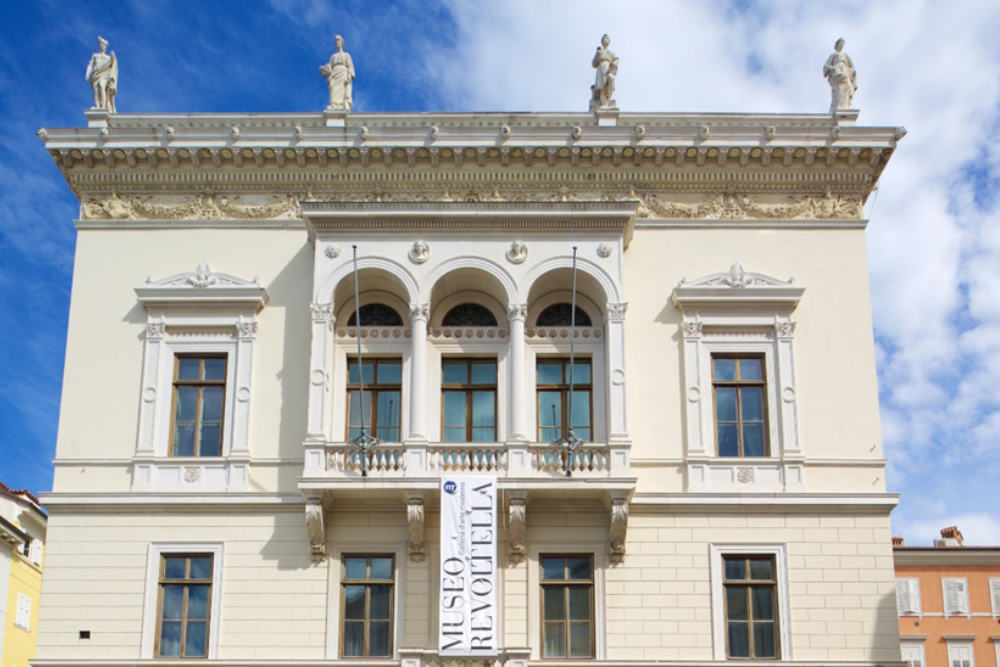
- Devoted to present day craftsmanship, Museo Revoltella exhibits works from the nineteenth and twentieth hundreds of years, including pieces by popular specialists like Klimt and Schiele. The exhibition hall is housed in a lovely castle worked by Nobleman Revoltella and highlights a staggering patio sitting above the city. It additionally has brief displays and widespread developments.
Caffe Tommaseo
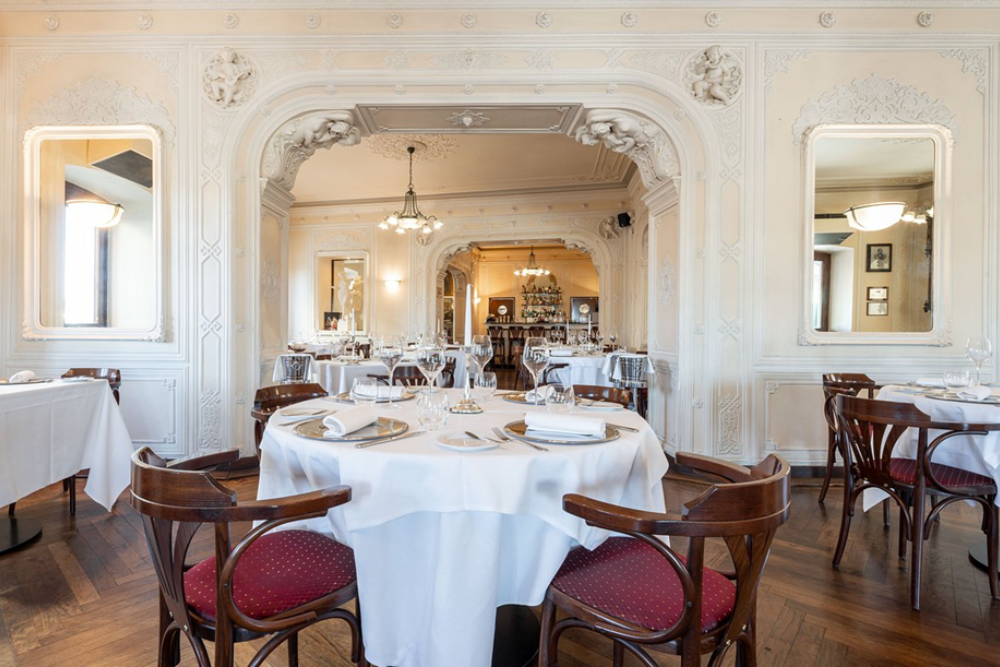
- One of the most established bistros in Trieste, Caffe Tommaseo is a memorable gathering place for educated people and craftsmen, including James Joyce. The bistro offers a determination of cakes and stunning espresso, permitting guests to encounter the neighborhood espresso culture while absorbing the enchanting feel and verifiable importance.
Castello di San Giusto
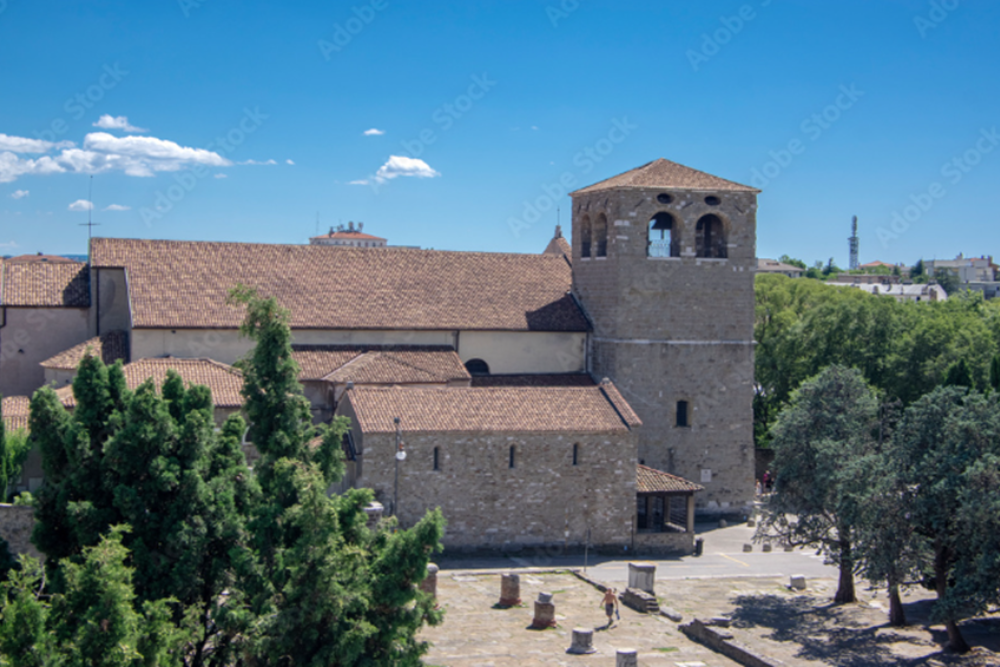
- This middle age palace sits on the slope of San Giusto, giving an interesting look into Trieste’s set of experiences. Guests can investigate the palace grounds, appreciate all encompassing perspectives on the city, and visit the contiguous gallery that houses authentic antiquities and shows connected with Trieste’s past.
San Sabba Rice Mill
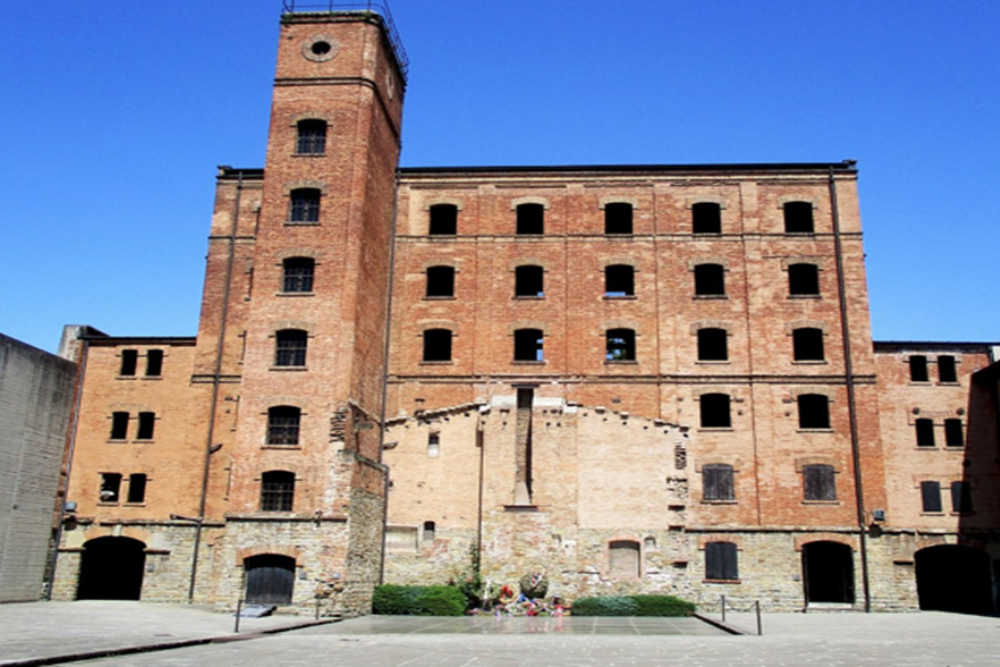
The San Sabba Rice Factory is a verifiable site that assumed a critical part during The Second Great War. Today, it fills in as an exhibition hall and commemoration, teaching guests about the barbarities of the Holocaust and the significance of recognition. A strong spot features the hazier parts of Trieste’s set of experiences.
Dos and don’ts in Trieste
Here is a helpful rundown of rules and regulations for your visit to Trieste:
Dos
- Do Attempt Neighborhood Cooking: Test dishes like risotto al nero di seppia (squid ink risotto) and goulash, mirroring the city’s Austro-Hungarian legacy.
- Do Visit Memorable Bistros: Experience the nearby espresso culture by visiting popular bistros, for example, Caffe Tommaseo and Caffe degli Specchi.
- Do Investigate the Waterfront: Walk around the wonderful seafront promenade, particularly at nightfall, for shocking perspectives.
Don’ts
- Try not to Rush Your Feasts: Italians take as much time as necessary while eating. Partake in your feast and don’t anticipate quick assistance.
- Try not to Expect All Bistros Serve Dinners: Some bistros might zero in exclusively on espresso and baked goods, so really look at menus prior to plunking down.
- Try not to Talk Boisterously In broad daylight: Hold your voice down, particularly in calmer regions or inside cafés.
Best time to reach in Trieste
The best chance to visit Trieste is throughout the spring (April to June) and late-summer (September to October). Here’s the reason:
Spring (April to June)
- Temperatures are gentle, going from 15°C to 25°C (59°F to 77°F), making it agreeable for open air investigation.
- Springtime highlights different nearby celebrations, like the Trieste Science Fiction Celebration, offering exceptional social encounters.
- Contrasted with the midyear months, there are less travelers, taking into consideration a more loosened up visit.
Late-summer (September to October)
- Like spring, late-summer sees wonderful temperatures and less stormy days.
- This season is perfect for getting a charge out of nearby wines and food, especially during grape reap celebrations.
- Numerous far-reaching developments and displays happen, exhibiting Trieste’s rich history and expressions scene.
Summer (July to August)
- While summer is famous because of long, radiant days, it can become busy and sweltering, with temperatures frequently surpassing 30°C (86°F).
- Assuming you appreciate ocean side exercises, this is an ideal opportunity to visit, however be ready for bigger groups.