

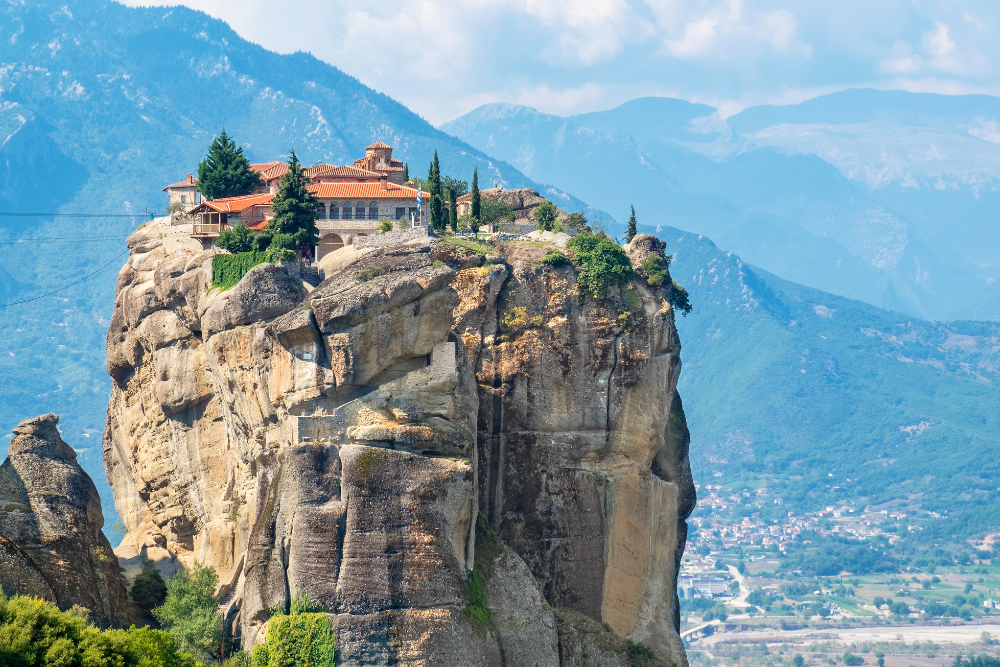

The Meteora Monasteries, perched atop towering rock pillars in central Greece, are one of the most breathtaking and spiritually significant sites in the world. These ancient monasteries, built hundreds of meters above the ground, represent a harmonious blend of natural beauty and human ingenuity. A UNESCO World Heritage Site, Meteora has captivated travelers with its dramatic landscapes and rich history, offering a glimpse into Greece’s spiritual and architectural heritage. Here’s everything you need to know about visiting the Meteora Monasteries and immersing yourself in their unique charm.
1. The History of Meteora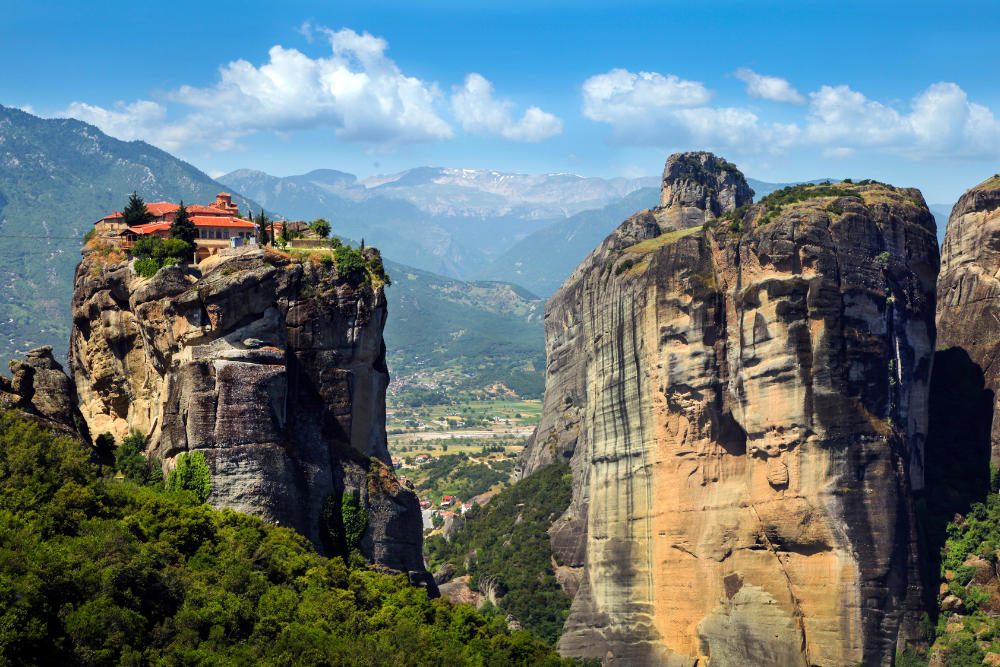
The word “Meteora” translates to “suspended in the air,” an apt description for the monasteries that seem to float above the valley. The rock formations themselves date back millions of years, created through a combination of geological activity and erosion.
Monastic life in Meteora began around the 11th century when hermit monks sought refuge in the caves and crevices of the cliffs. By the 14th century, the construction of monasteries began, with monks using ropes, pulleys, and ladders to hoist materials and themselves to these remote locations. At its peak, Meteora was home to 24 monasteries, serving as a sanctuary for those seeking spiritual seclusion and protection from invading forces.
Today, only six of the monasteries remain active, maintained by small communities of monks and nuns. These monasteries continue to serve as places of worship and pilgrimage, as well as architectural marvels that attract visitors from around the globe.
2. The Six Active Monasteries
Each of the six active monasteries has its own unique character, artwork, and spiritual significance. Here’s a closer look:
- The Great Meteoron Monastery: The largest and oldest monastery, founded in the 14th century. It houses an impressive collection of religious artifacts, manuscripts, and frescoes, making it a must-visit for history enthusiasts.
- Varlaam Monastery: Known for its stunning frescoes and a large wine barrel that can hold up to 12,000 liters, this monastery is a testament to monastic craftsmanship.
- Rousanou Monastery: Run by a community of nuns, Rousanou is easily accessible and features beautiful gardens and well-preserved frescoes.
- Holy Trinity Monastery: Famous for its appearance in the James Bond film For Your Eyes Only, this monastery offers spectacular panoramic views but requires a steep climb to reach.
- St. Stephen’s Monastery: Another nunnery, St. Stephen’s is known for its welcoming atmosphere and ornate chapel. Its location is more accessible, with a small bridge connecting it to the main road.
- St. Nicholas Anapausas Monastery: The smallest of the six, this monastery is celebrated for its compact design and exquisite frescoes by 16th-century artist Theophanes Strelitzas.
3. Planning Your Visit
How to Get There
Meteora is located near the towns of Kalambaka and Kastraki in central Greece. You can reach Meteora by:
- Train: Regular trains run between Athens or Thessaloniki and Kalambaka. The journey takes around 4-5 hours, offering scenic views of the Greek countryside.
- Car: Driving to Meteora allows for greater flexibility. The journey from Athens or Thessaloniki takes approximately 4 hours.
- Guided Tours: Many tour operators offer day trips or multi-day excursions from major cities, including transportation and guided monastery visits.
Best Time to Visit
The best seasons to visit Meteora are spring (April to June) and autumn (September to November). During these months, the weather is mild, and the landscapes are lush. Summer can be crowded and hot, while winter offers a quieter experience but may have limited accessibility.
What to Wear
Since Meteora is a religious site, visitors are expected to dress modestly.
- Men: Long pants and covered shoulders.
- Women: Long skirts (trousers are not allowed in some monasteries) and covered shoulders. Many monasteries provide wraps at the entrance for visitors who need them.
Entry Fees and Hours
Each monastery has an entrance fee, typically around €3 per person. Operating hours vary, and some monasteries may be closed on certain days, so it’s wise to check schedules in advance.
4. Exploring Meteora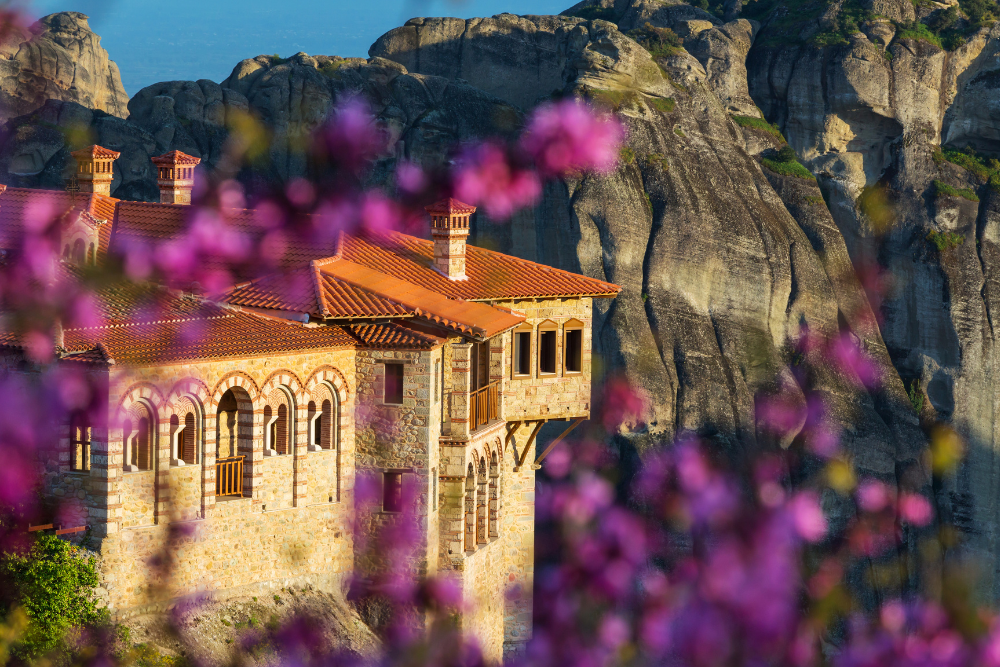
Hiking Trails
One of the best ways to experience Meteora is by hiking. The area boasts a network of trails that weave through the rock formations and connect the monasteries. Popular routes include the trail from Kalambaka to Great Meteoron and the Sunset Trail, which offers breathtaking views during the golden hour.
Photography Tips
Meteora’s dramatic landscapes make it a paradise for photographers.
- Visit at sunrise or sunset for soft, golden light and fewer crowds.
- Capture panoramic views from observation points along the road.
- Respect monastery rules regarding photography, as some areas may prohibit it indoors.
Cultural Insights
Beyond the monasteries, Kalambaka and Kastraki offer a glimpse into local culture. Visit the Natural History Museum of Meteora, explore traditional tavernas, and enjoy regional dishes like soutzoukakia (spiced meatballs) and trahana soup (fermented grain soup).
5. Tips for a Meaningful Visit
- Take Your Time: While it’s possible to visit multiple monasteries in a day, allow yourself time to soak in the serenity and spiritual ambiance of each site.
- Respect the Rules: Meteora is a living religious site, so maintain a respectful attitude. Keep noise to a minimum, and follow guidelines for photography and attire.
- Bring Water and Snacks: The hikes and stairs can be demanding, so stay hydrated and carry light snacks for energy.
6. Beyond Meteora: Nearby Attractions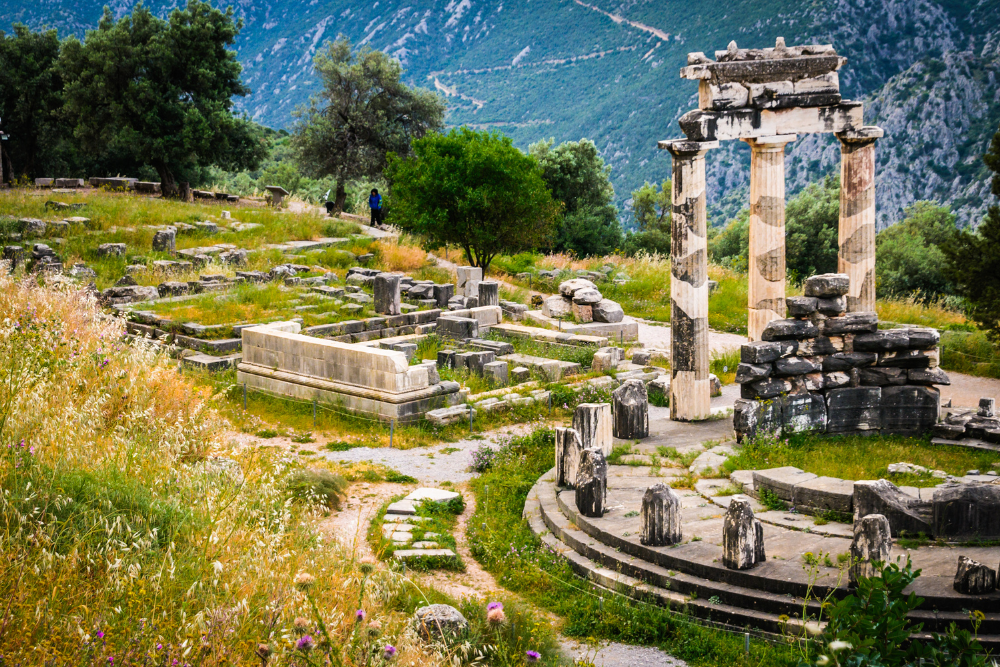
If you have extra time, consider exploring nearby attractions:
- Delphi: Located a few hours away, Delphi is another UNESCO World Heritage Site, famous for its ancient oracle and temple ruins.
- Mount Olympus: For adventure seekers, Greece’s highest peak and mythical home of the gods offers excellent hiking opportunities.
- Lake Plastira: A tranquil retreat surrounded by forests, perfect for boating and picnicking.
Conclusion
A visit to the Meteora Monasteries is more than a journey through stunning landscapes; it’s an exploration of Greece’s spiritual and cultural heritage. From the awe-inspiring architecture to the serene atmosphere, Meteora offers a unique experience that leaves a lasting impression. Whether you’re drawn by the history, the faith, or the natural beauty, Meteora invites you to pause, reflect, and marvel at the harmonious coexistence of man and nature. Make this remarkable destination a part of your Greek adventure, and you’ll leave with memories as enduring as the rock pillars themselves.