




Introduction

Indonesia, an archipelago of more than 17,000 islands, offers a variety of climate patterns all through the year. While the country has a vast geographical area, it can be divided into two regions: the western and central islands and the Japanese islands. This division will be fundamental while understanding the climatic condition of November, as the rainy season’s impact varies notably between these regions.
November marks the peak of the rainy season throughout Indonesia. However, the depth and length of rainfall can vary from island to island. The western and central islands, which include Java, Bali, and Kalimantan, commonly receive average to heavy rainfall in this month. In contrast, the Japanese islands, such as Nusa Tenggara, Sulawesi, and the Moluccas, generally receive greater rainfall and may additionally face challenges like flooding and disrupted transportation.
This blog post will delve you into the accurate climatic information of each of these areas in November. We will further provide you data on rainfall patterns, temperatures, humidity levels, and their influences on journeys and other activities. By understanding the climatic behavior of Indonesia in November, travellers can plan and enjoy their trip efficiently.
The Moluccas
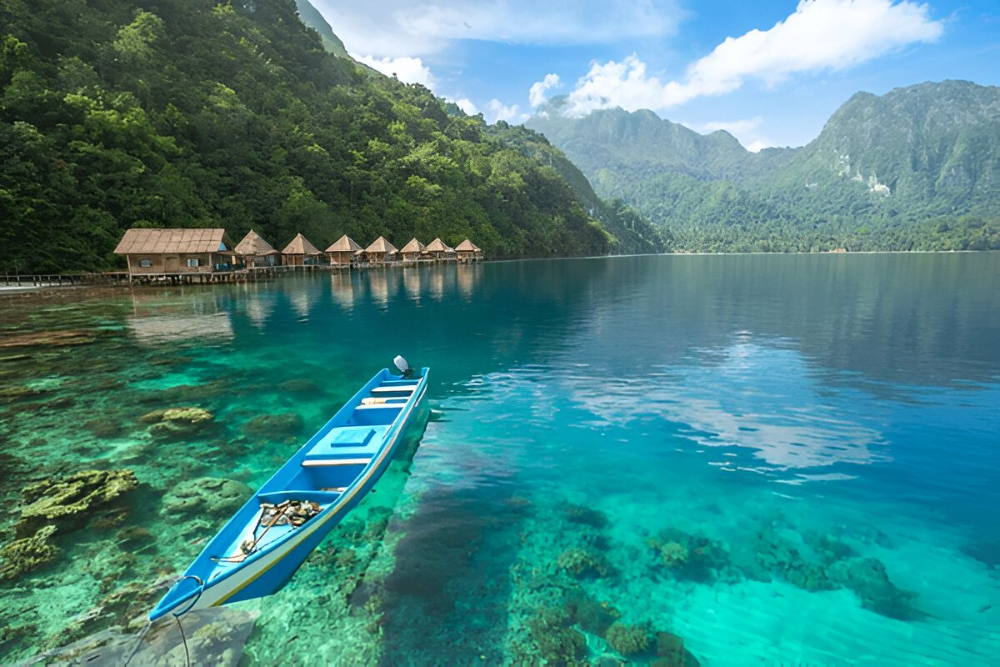
Climatic behaviour throughout the Molucca Islands in the month of November is comparable to that of prerequisites in October. The central islands of Ambon and Seram are known for their ideal climatic conditions within this region, although rainfall is also expected throughout the southern islands of Kei and Aru and the northern islands of Ternate and Tidore. November is an ideal month for diving in the Banda Islands.
Java
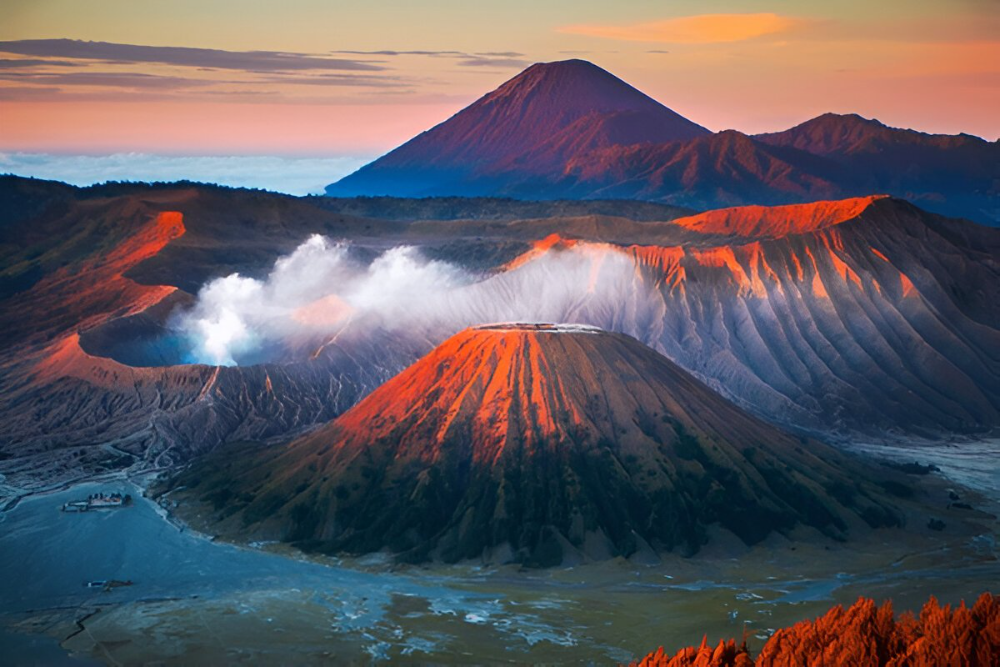
As the dry season comes to an end on the island of Java, days end up cloudy with a high chance of rain along with thunderstorms, particularly at the end of the month. Temperatures continue to be high, with averages of 30 °C, and humidity levels start to increase.
Bali
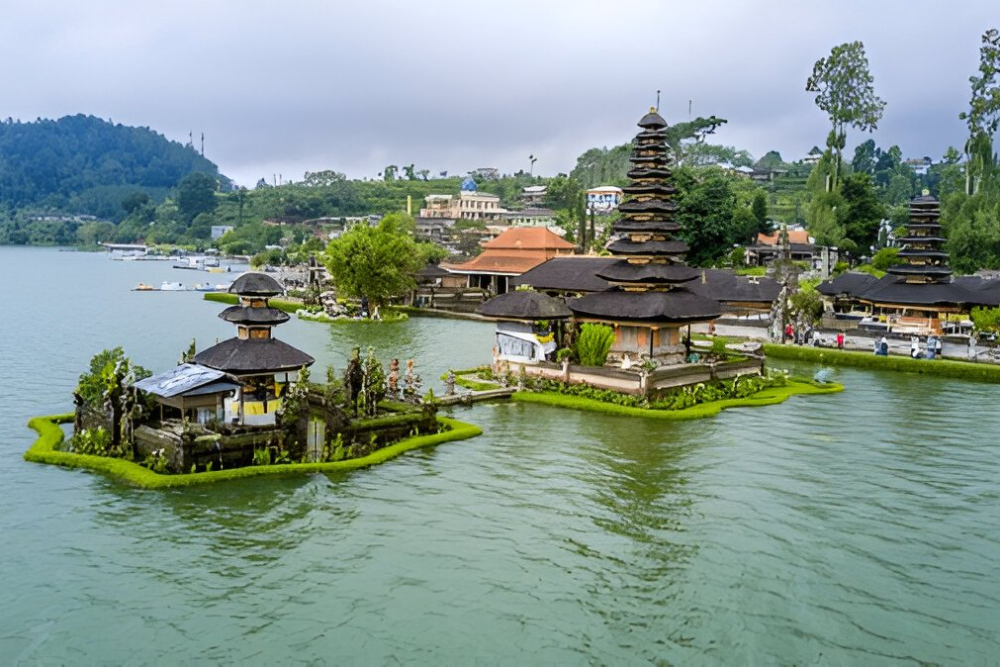
Rainy season has arrived on the island of Bali in the beginning of November, with clear sunshine and temperatures staying hot (average temp: 27 °C). Trekking to Mt. Batur is not recommended at this time. As in December, it will receive an extended stage of rainfall.
Sulawesi
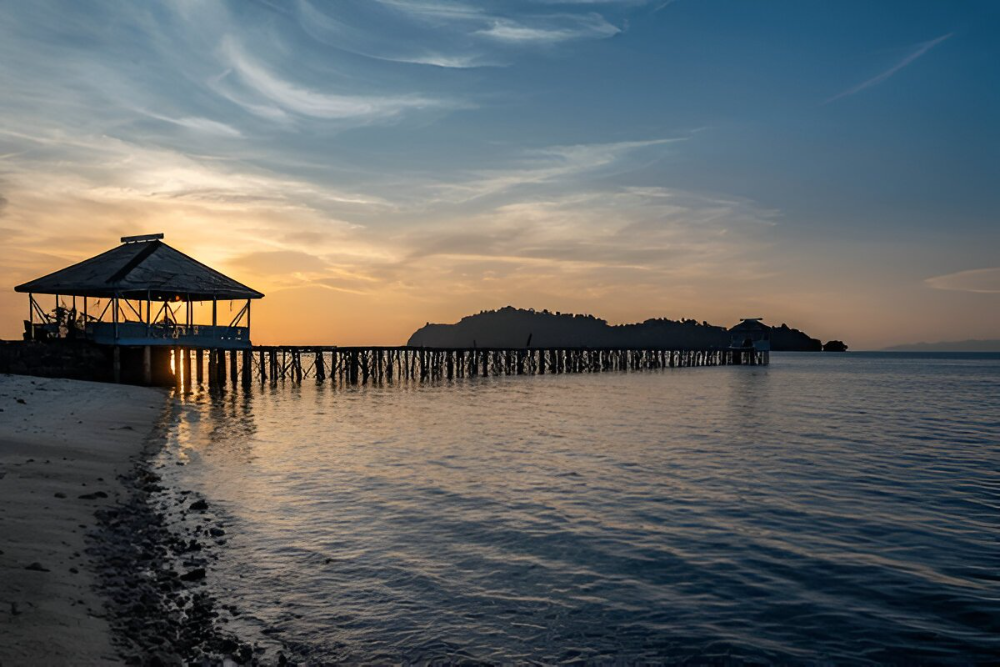
November predicts the arrival of monsoon season throughout Toraja and southern Sulawesi; additionally, rainfall will increase in Manado and the north. Temperatures of 32°C can be expected; however, the days become cooler as the month progresses.
Kalimantan
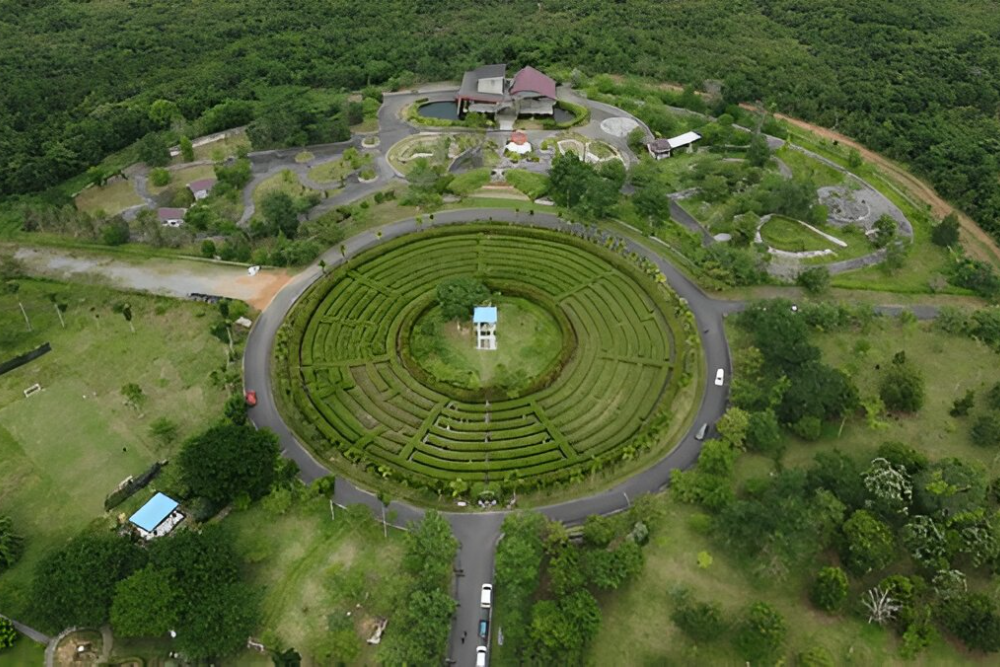
November welcomes the arrival of heavy rains on the island of Kalimantan, and the southern along with the western part of the island is most affected. Skies may additionally be dull with no clear sunshine; however, the average temperature is very hot, i.e., 27-28 °C.
Nusa Tenggara
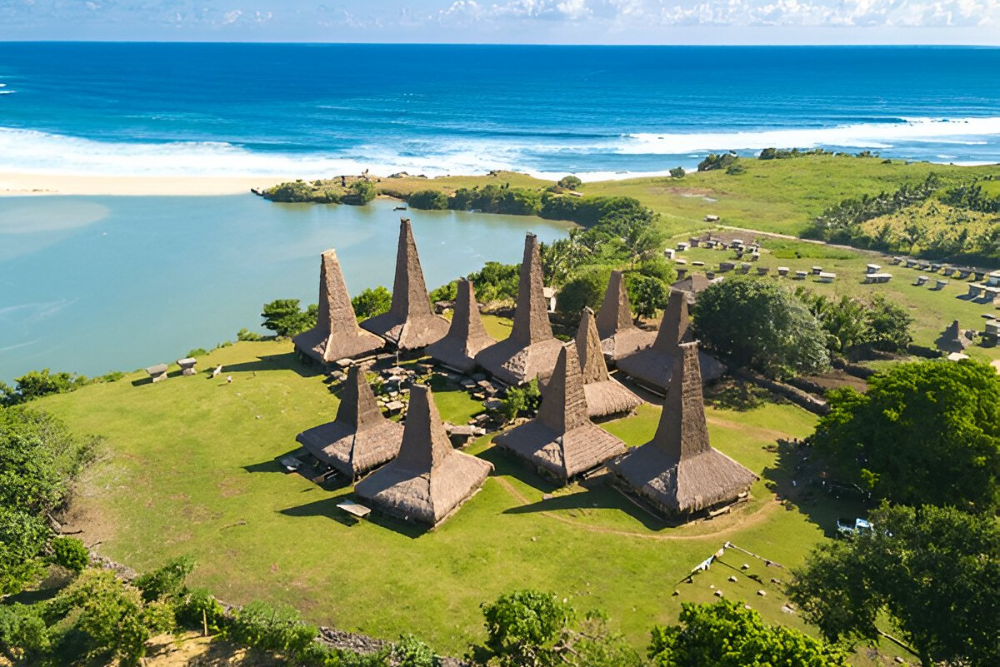
November tends to be the wettest month of the year throughout the Nusa Tenggara islands. With heavy rainfall, there is a chance of flooding roads, especially in the remote areas of Sumba, and disturbance to inter-island ferry movements. Temperatures proceed to increase (average temp: 28-29°C); highs of 32-33°C are very frequent for the duration of the day, and at night temperature varies around 23°C.
West Papua and Raja Ampat
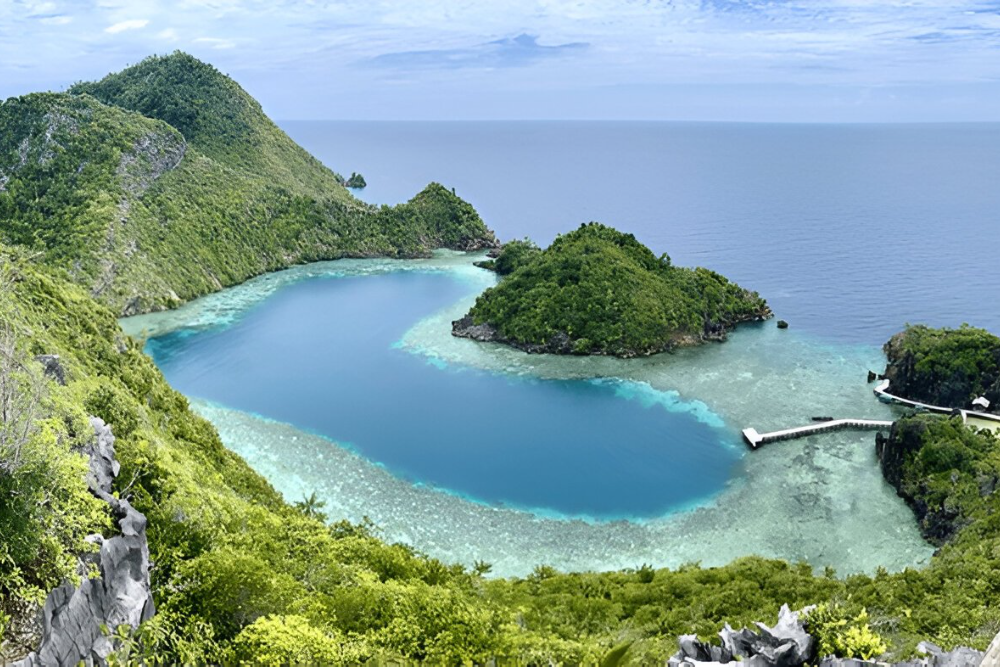
November is the ideal month of the year to visit the islands of Raja Ampat, mainly for divers, as the waters are calm, visibility is at its peak, and there are increased chances of exploring manta rays. The weather behaviour of Wamena and the Baliem Valley doesn’t change significantly throughout November; showers can be predicted, and each day temperatures vary from 22°C in the uplands to 32°C at sea level.
Sumatra
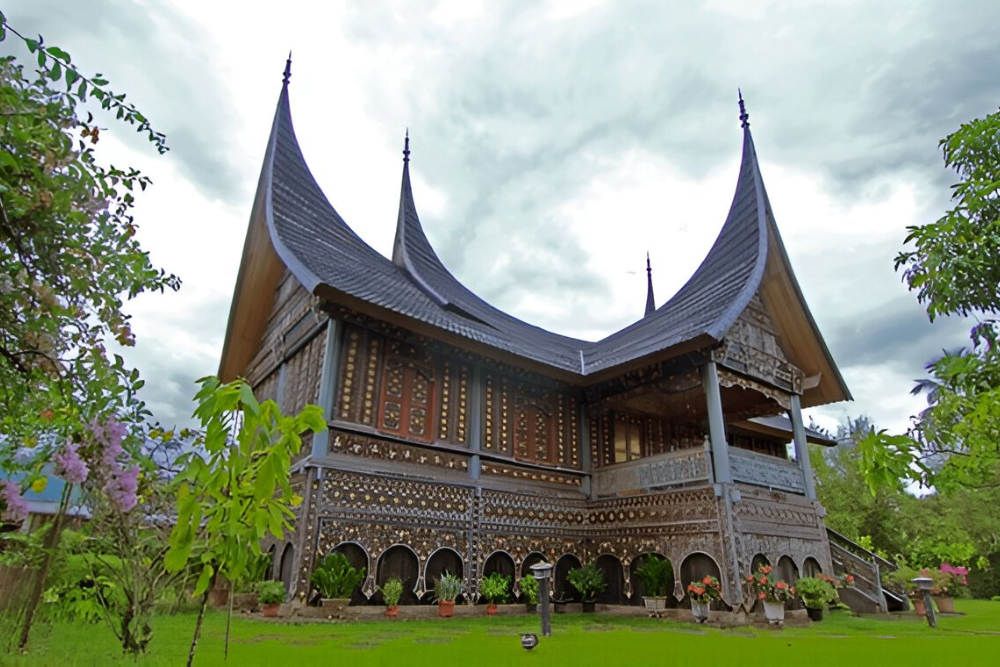
North Sumatra’s rainfall reaches its apex throughout November. Road conditions, especially on the jungle side, will be affected in these instances, making your trip longer. Dully days and heavy rainfall additionally impact South Sumatra. Temperatures in the north generally lower in November; however, humidity levels reach more than 80%; temperatures of 31°C and 32°C are present throughout the island.
Conclusion
November in Indonesia offers a combined behavior of climate throughout the archipelago. While the rainy season is at its peak in many areas, the depth and influence of rainfall can fluctuate extensively, depending on the region. Travelers need to be informed about disruptions, such as flooded roads and ferry cancellations, especially in the Japanese islands.
Despite the rainy weather, November offers various benefits for visitors. The lush greenery and vivid landscapes are at their peak, and there are possibilities for special experiences like trekking through rainforests or diving in clear waters. By understanding the local climatic patterns and planning accordingly, vacationers can ensure proper enjoyment throughout the trip to Indonesia in November.
Remember, while this blog post offers you an overview of the November climate in Indonesia, it is necessary to seek advice from climate forecasts and local persons for the authentic and updated information.