


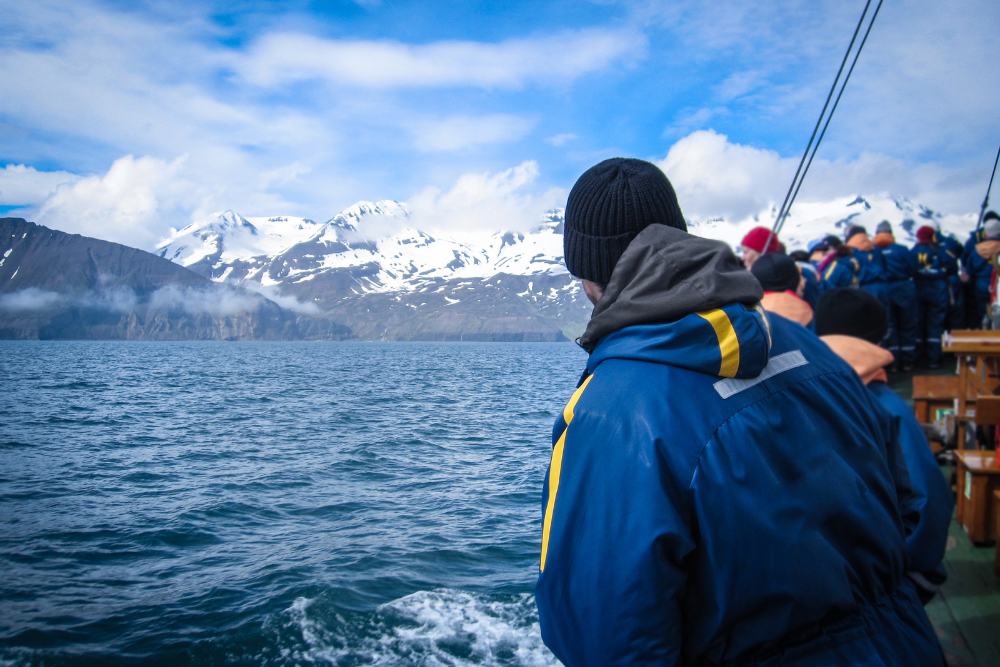

Iceland, with its rugged landscapes, dramatic coastlines, and rich marine life, offers some of the best whale-watching opportunities in the world. Surrounded by the cold waters of the North Atlantic and Arctic Oceans, the country’s waters are home to numerous whale species, including humpback whales, minke whales, orcas, and the majestic blue whale. Whale safaris in Iceland provide a chance to see these magnificent creatures in their natural habitat, while also experiencing the breathtaking beauty of the Icelandic coastline.
Whether you’re an avid nature lover or simply seeking a unique adventure, a whale safari in Iceland is a memorable experience that combines wildlife observation with stunning views of Iceland’s most scenic areas.
1. Best Locations for Whale Watching in Iceland
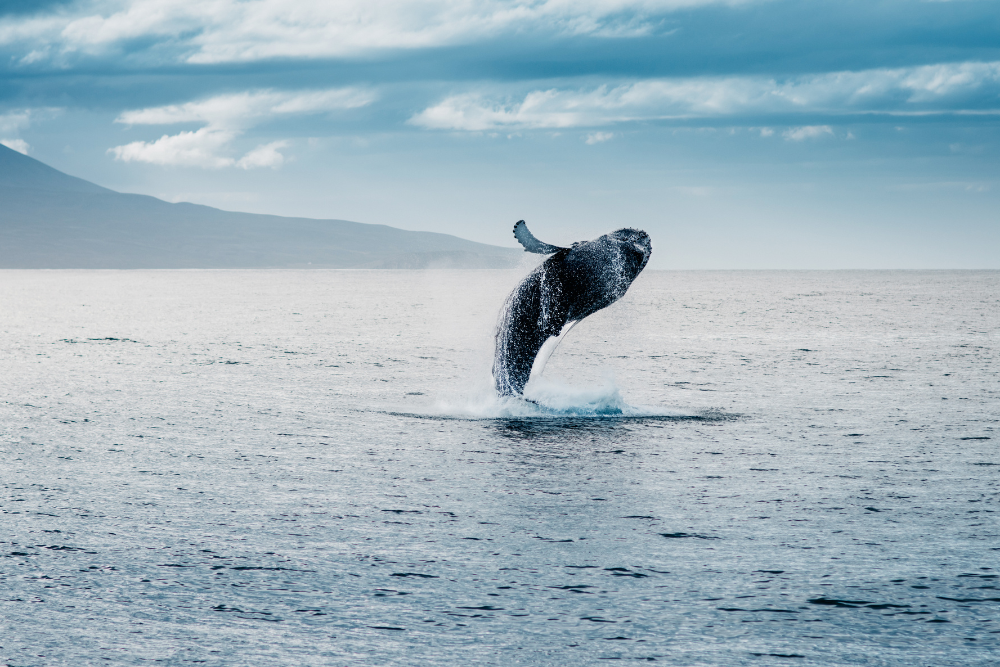
Iceland is surrounded by some of the most productive whale-watching waters in the world, and several locations along the coast are particularly famous for offering excellent opportunities to spot whales.
- Húsavík: Often referred to as the whale-watching capital of Iceland, Húsavík, located in the northeast of the country, is one of the best places to embark on a whale safari. The sheltered waters of Skjálfandi Bay attract a variety of whale species, including humpbacks, minke whales, and occasionally blue whales. Húsavík is home to several experienced whale-watching operators, offering both small boat and larger vessel tours. In addition to whale-watching, you can visit the Húsavík Whale Museum to learn about the marine life of the region.
- Reykjavík: Iceland’s capital is a popular starting point for whale safaris, with many tours departing from the Old Harbour. Just a short boat ride from the city, you can spot minke whales, humpbacks, and dolphins. Whale-watching tours in Reykjavík also offer great views of the Snæfellsnes Peninsula, Reykjanes Peninsula, and the stunning surrounding mountains.
- Akureyri: Located in the north, Akureyri is another great hub for whale-watching tours, particularly in Eyjafjörður. This fjord is known for its diverse whale population, including humpback whales, minke whales, and orcas. The calm waters make it a favorite spot for both beginners and experienced whale watchers.
- Whale Watching from the Westfjords: The Westfjords region, especially the area around Ísafjörður, is a less-visited but equally rewarding location for whale watching. The fjords here are home to several species of whales, including sperm whales and blue whales, as well as minke whales. Tours here are typically less crowded, offering a more peaceful and intimate experience.
- Reykjanes Peninsula: The area around Grindavík on the Reykjanes Peninsula is also known for whale sightings, particularly minke whales and dolphins. This region is ideal for those looking to combine a whale-watching experience with a visit to the famous Blue Lagoon, which is just a short distance away.
2. What to Expect on a Whale Safari in Iceland
Whale safaris in Iceland are led by experienced guides who are knowledgeable about the local marine life and ecosystems. These tours often last from 2 to 3 hours, depending on the location and type of boat. Here’s what you can expect during your whale-watching adventure:
- Spotting Whales: Depending on the season and the area, you might encounter various species of whales. Some of the most commonly spotted whales in Iceland include:
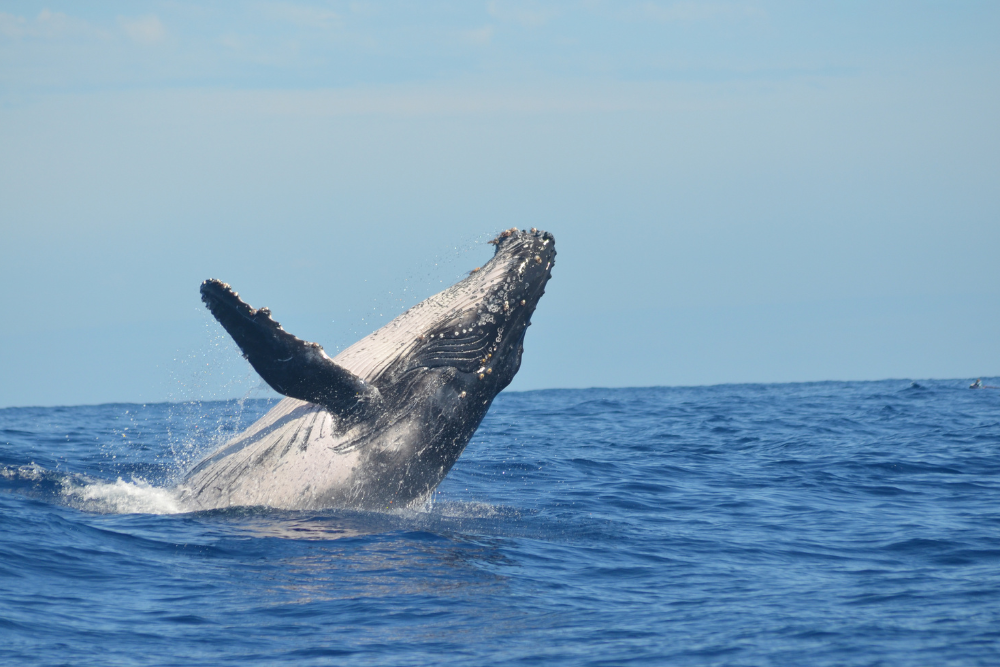
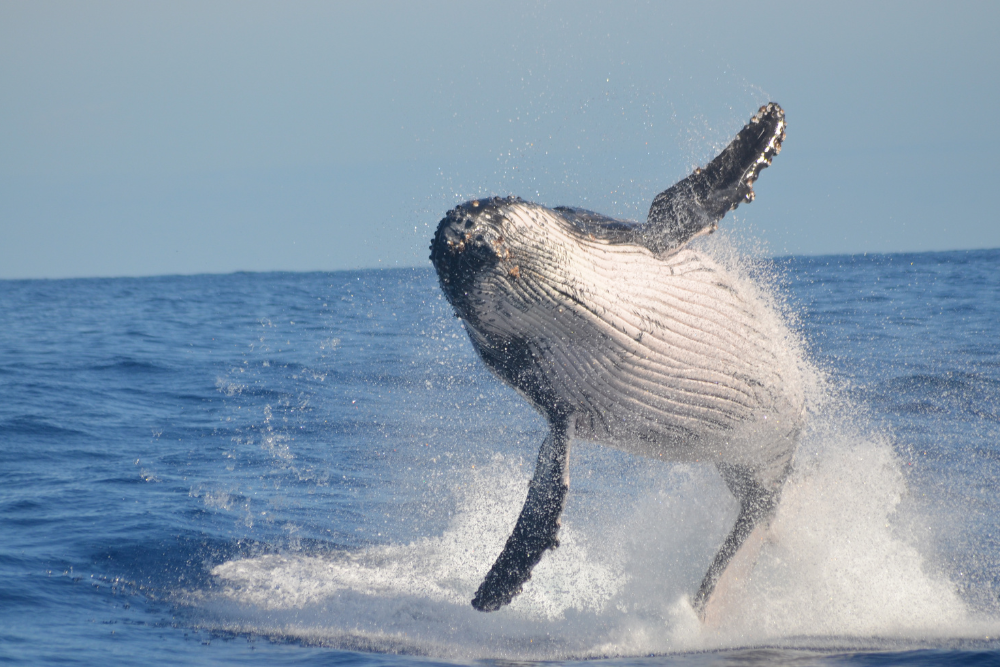
- Humpback Whales: Known for their acrobatic breaching and tail slapping behavior, humpback whales are frequently seen in Icelandic waters, particularly in the summer months (June to August).
- Minke Whales: These smaller whales are common throughout Iceland, often spotted close to shore.
- Blue Whales: The largest animals on Earth, blue whales can occasionally be spotted in the waters around Iceland, particularly during the late summer months.
- Orcas: Known for their striking black-and-white appearance, orcas are often seen hunting in the waters around Snæfellsnes and Eyjafjörður.
- Dolphins: While not technically whales, dolphins, particularly white-beaked dolphins and Harbour porpoises, are commonly seen on Icelandic whale safaris.
- Tour Types: There are different types of whale-watching tours to suit various preferences and levels of adventure:
- Classic Boat Tours: The most common form of whale-watching, these larger boats are equipped with comfortable seating and often provide onboard facilities like refreshments and toilets.
- RIB Boat Tours: For a more adventurous experience, Rigid Inflatable Boat (RIB) tours are popular. These smaller, faster boats get you closer to the whales and offer a more thrilling ride, but may be less comfortable than larger boats.
- Kayak Whale Watching: For the ultimate immersive experience, some operators offer kayak tours, where you can paddle in the calm waters and enjoy the whale sightings up close. These tours are typically more intimate but require a higher level of physical activity.
- Guided Information: Onboard naturalists and guides provide fascinating commentary on the whales, their behavior, and the ecosystems they inhabit. This adds an educational element to the experience, helping you appreciate the complexity of marine life in Iceland.
3. Best Time to Go Whale Watching in Iceland
Iceland offers excellent whale-watching opportunities year-round, though the best times for sightings tend to vary depending on the species:
- Summer (June to August): This is the peak season for whale watching in Iceland. The longer daylight hours and calmer seas make this an ideal time to see humpback whales, minke whales, and even blue whales. This is also the period when the waters are most abundant with plankton, attracting whales to feed.
- Spring (April to June): Early spring is a good time for spotting migrating whales, especially humpbacks and minke whales, as they start arriving in Icelandic waters. The weather can be cooler, but the tours are less crowded than in the summer.
- Autumn (September to October): The fall months can still offer good whale-watching opportunities, though the weather may start to get colder and windier. Migrating species like humpbacks and minke whales remain active during this time.
- Winter (November to March): Whale watching in winter is possible, but it’s a bit more challenging due to colder weather, rougher seas, and shorter days. However, if you’re lucky, you might catch sight of orcas, particularly around the Westfjords. Many operators offer winter whale-watching tours, but conditions can be more unpredictable.
Conclusion
A whale safari in Iceland is an unforgettable adventure that brings you face-to-face with some of the planet’s most majestic creatures. Whether you’re cruising the waters of Skjálfandi Bay, spotting humpbacks off the coast of Reykjavík, or exploring the remote beauty of the Westfjords, Iceland’s whale-watching experiences are unparalleled. With a range of tour options, from classic boat trips to more adventurous RIB boat excursions, whale watching in Iceland offers an exciting opportunity to connect with nature, learn about marine ecosystems, and witness the majesty of whales in