

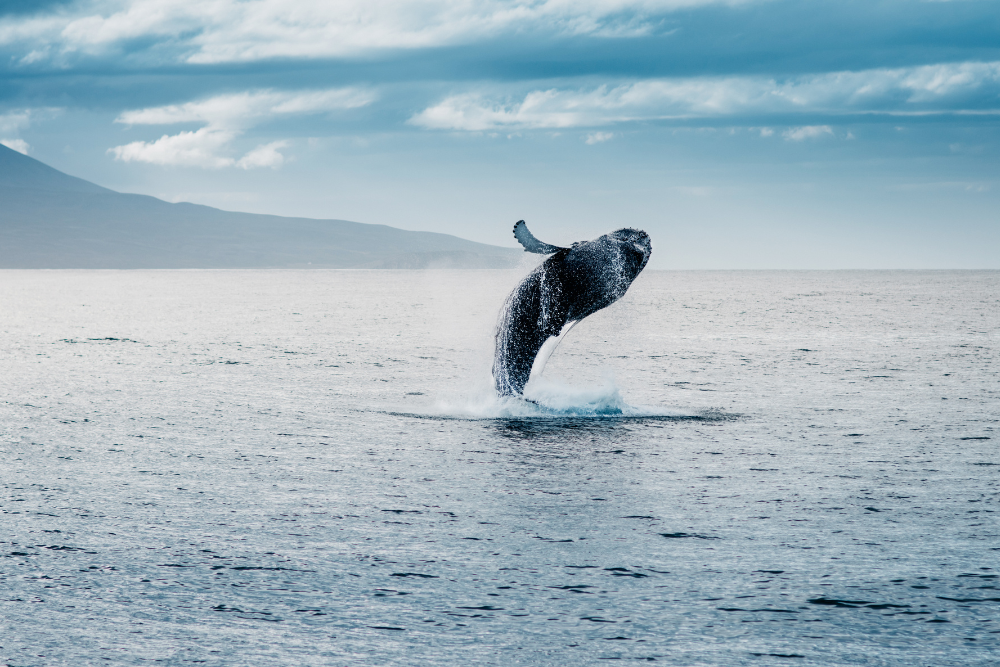

Norway is one of the best places in the world for whale watching, offering breathtaking views and the chance to observe these majestic marine creatures in their natural habitat. From the cold waters of the Arctic to the deep fjords, Norway is home to a variety of whale species, making it an unforgettable destination for nature lovers and wildlife enthusiasts. Whether you’re looking to see orcas, humpback whales, or the elusive sperm whale, Norway provides the perfect setting for a thrilling adventure on the water.
Here’s everything you need to know about whale watching in Norway—where to go, when to visit, and what to expect:
1. Best Locations for Whale Watching in Norway
Tromsø (The Gateway to the Arctic)
Located in the Arctic Circle, Tromsø is often considered the best place in Norway for whale watching. The region’s deep fjords and the rich feeding grounds of the Barents Sea attract a wide range of whale species, making Tromsø a prime location for spotting these magnificent creatures.
Whale Species:
- Orcas: Best seen between November and January, orcas come to Tromsø’s fjords to hunt for herring, their primary food source.
- Humpback Whales: Humpbacks are also frequently seen during the same period, and they are known for their acrobatic breaches and tail slaps.
- Sperm Whales: While sperm whales are less common, they can be spotted in Tromsø’s waters, particularly in the summer months.
What to Expect:
- Tromsø is a well-equipped base for whale watching tours, with experienced guides offering boat excursions. Many tours also offer photography workshops for those eager to capture the whales in action.
- Winter Whale Watching: Tromsø is one of the few places where you can go whale watching in the winter months, with snow-capped mountains and the possibility of spotting the Northern Lights as a backdrop for your adventure.
Andenes (Vesterålen Islands)
The Vesterålen Islands, particularly the town of Andenes, is another fantastic whale-watching destination. Located north of the Arctic Circle, the area is famous for being one of the best places in the world to see sperm whales, which are often seen in the deep waters off the coast.
Whale Species:
- Sperm Whales: Andenes is a hotspot for spotting sperm whales, especially during the summer months.
- Orcas and Humpback Whales: Though not as common as in Tromsø, orcas and humpbacks can also be spotted here, particularly around the same time frame (autumn to early winter).
What to Expect:
- Andenes is known for its whale safari tours, where experienced guides take you out to sea on specialized boats designed for spotting whales. The deep waters and underwater canyons surrounding Andenes create an ideal environment for sperm whales, which dive to great depths.
- Whale Watching at Night: Due to its location, Andenes also offers the possibility of seeing midnight sun in the summer, adding a surreal atmosphere to your whale-watching experience.
Lofoten Islands
The stunning Lofoten Islands are another prime location for whale watching in Norway, offering incredible natural beauty and a wealth of marine life. Located above the Arctic Circle, the Lofoten Islands are surrounded by rich fishing waters, attracting an abundance of whales, seals, and other wildlife.
Whale Species:
- Humpback Whales: The Lofoten Islands are a popular destination for humpback whales, particularly during the summer months when the sea is rich in food.
- Killer Whales (Orcas): Orcas are also seen in Lofoten, especially in the fall when the herring migration attracts them to the region.
- Minke Whales: Minke whales are common throughout the year and are often seen in the Lofoten waters.
What to Expect:
- The Lofoten Islands offer excellent opportunities for kayak-based whale watching as well as more traditional boat tours.
- Lofoten is also known for its breathtaking scenery, with towering mountain peaks and pristine beaches providing the perfect backdrop for a whale-watching adventure.
Senja Island
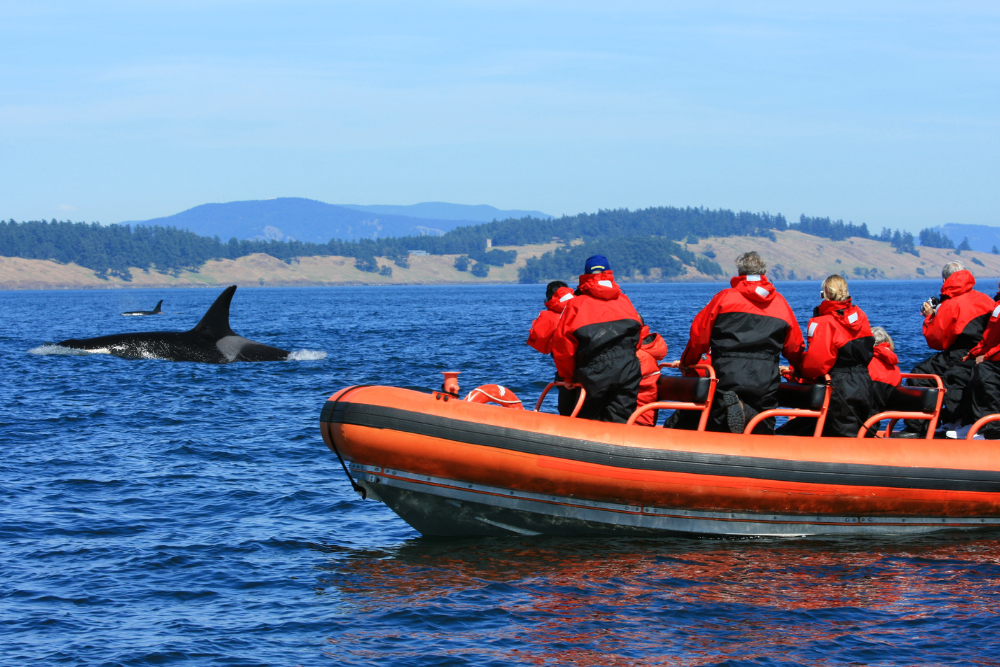
Known for its dramatic landscapes, Senja Island is often called “Norway’s best-kept secret” when it comes to whale watching. Located near Tromsø, Senja offers a quieter, less touristy experience but still provides plenty of opportunities to see whales.
Whale Species:
- Orcas: Like Tromsø, Senja is a great place to spot orcas, especially during the winter months.
- Humpback Whales: Humpbacks are also commonly seen in the waters around Senja.
- Minke Whales: Minke whales are found year-round, and their sightings are common during both summer and winter months.
What to Expect:
- Senja offers a more intimate whale-watching experience, with smaller boat tours that allow for closer encounters with the whales.
- The island is surrounded by crystal-clear waters and striking fjords, providing an ideal setting for a whale-watching adventure with fewer crowds.
2. Best Time for Whale Watching in Norway
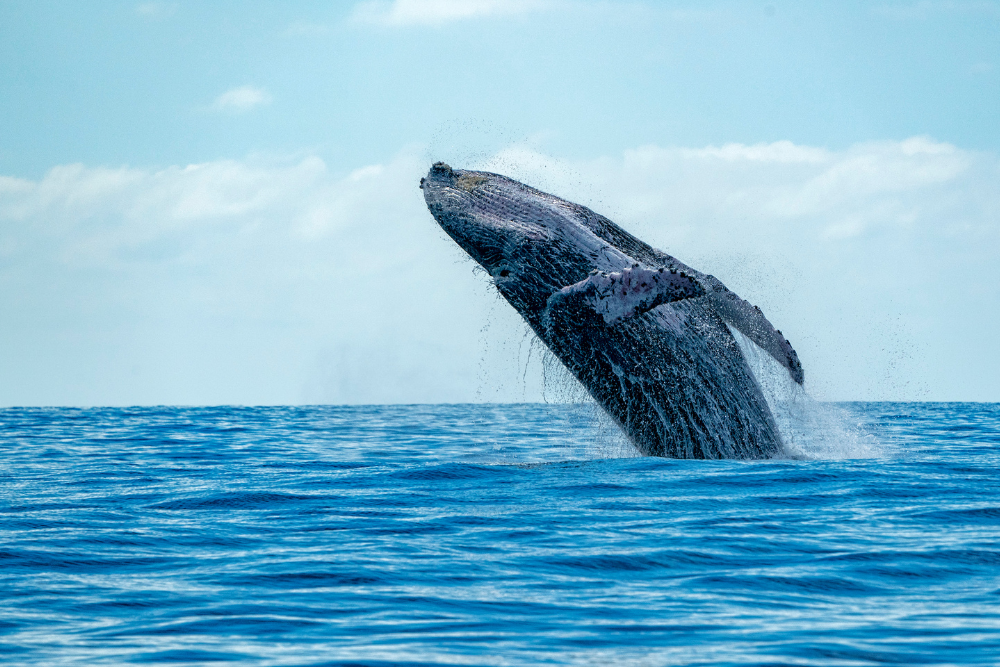
The best time to go whale watching in Norway depends on the type of whales you’re hoping to see and the region you’re visiting.
Winter (November to January)
- Orcas and humpback whales are the most commonly spotted species during the winter months, especially in Tromsø and Senja.
- Northern Lights: If you’re visiting Tromsø in winter, you may also be able to witness the Northern Lights while on your whale-watching tour, creating a magical experience.
Summer (June to August)
- Summer is the peak season for sperm whales, especially around Andenes and the Lofoten Islands. During this time, the seas are rich with food, which attracts these magnificent creatures.
- Humpback whales and minke whales are also more frequently spotted in the summer months as they follow fish migrations.
- Longer daylight hours and milder weather make summer an ideal time for whale watching, particularly for those traveling to more remote locations like Senja or the Lofoten Islands.
Autumn (September to November)
- Orcas and humpback whales return to Norwegian waters during the autumn months, particularly in Tromsø, Lofoten, and Senja, as they follow the migration of herring.
- This is also a great time to see the Northern Lights while on your whale-watching excursion, especially in Tromsø and Senja.
3. Tips for Whale Watching in Norway
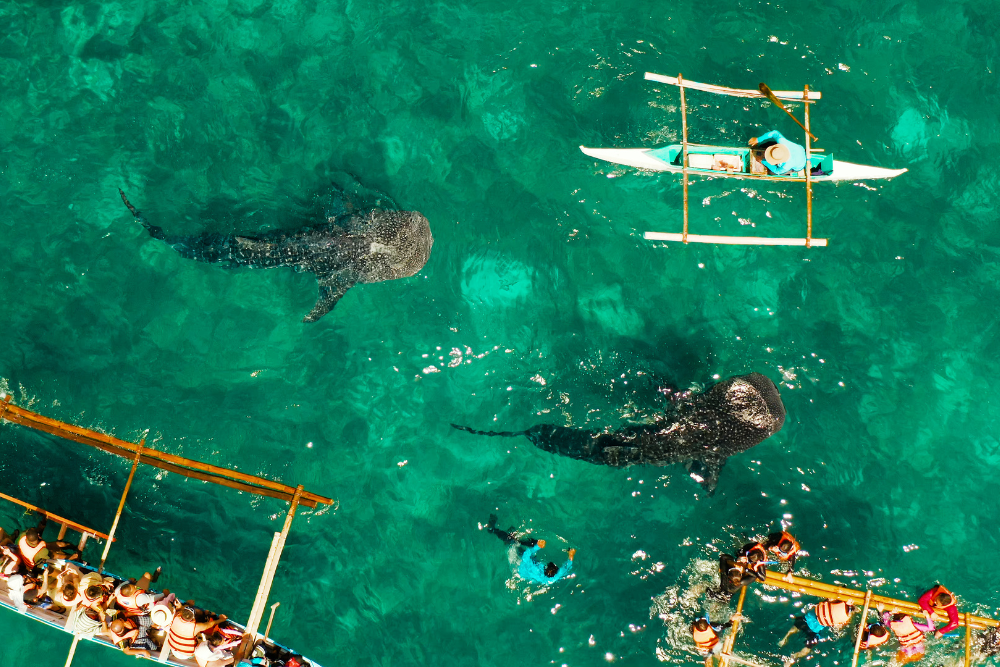
- Book in Advance: Whale watching tours in Norway are popular, especially during peak seasons. Be sure to book your tour in advance to secure a spot, especially if you’re visiting Tromsø or Lofoten.
- Dress Warmly: Even in summer, the weather can be chilly out on the water, especially in the Arctic regions. Layer up and bring warm, waterproof clothing to ensure comfort on your tour.
- Bring a Camera with a Good Zoom Lens: You’ll want to capture these incredible creatures in their natural habitat. A camera with a good zoom lens will help you get clear shots from a distance without disturbing the whales.
- Respect Wildlife: Always follow the guidelines set by your tour guides to ensure the safety of both you and the whales. Stay at a respectful distance and avoid making loud noises that could disturb the animals.
- Be Patient: Whale watching is a natural experience, and sightings aren’t guaranteed. Patience is key, and even if you don’t see whales on your tour, the stunning landscapes and marine life make the experience worthwhile.
Conclusion
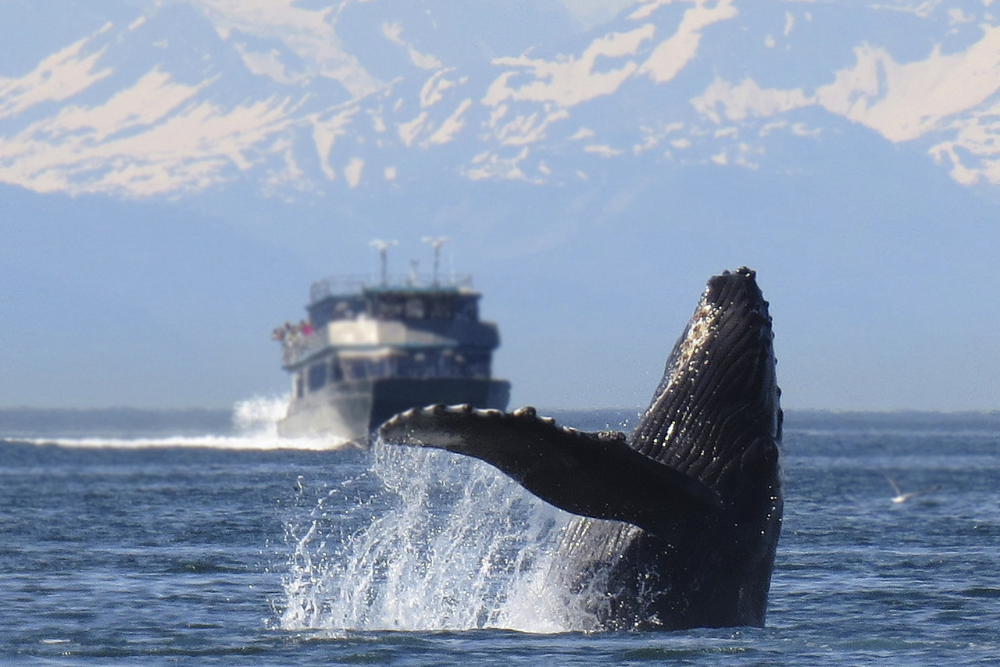
Whale watching in Norway is an unforgettable experience, offering the chance to see some of the world’s most majestic marine creatures up close in one of the world’s most stunning natural environments. Whether you’re exploring the deep fjords of Tromsø, the Arctic waters off the coast of Andenes, or the serene beauty of the Lofoten Islands, Norway offers some of the best whale-watching opportunities in the world. With the right timing and a bit of luck, you’ll have the chance to spot orcas, humpback whales, sperm whales, and more, making for a truly magical and memorable adventure.