

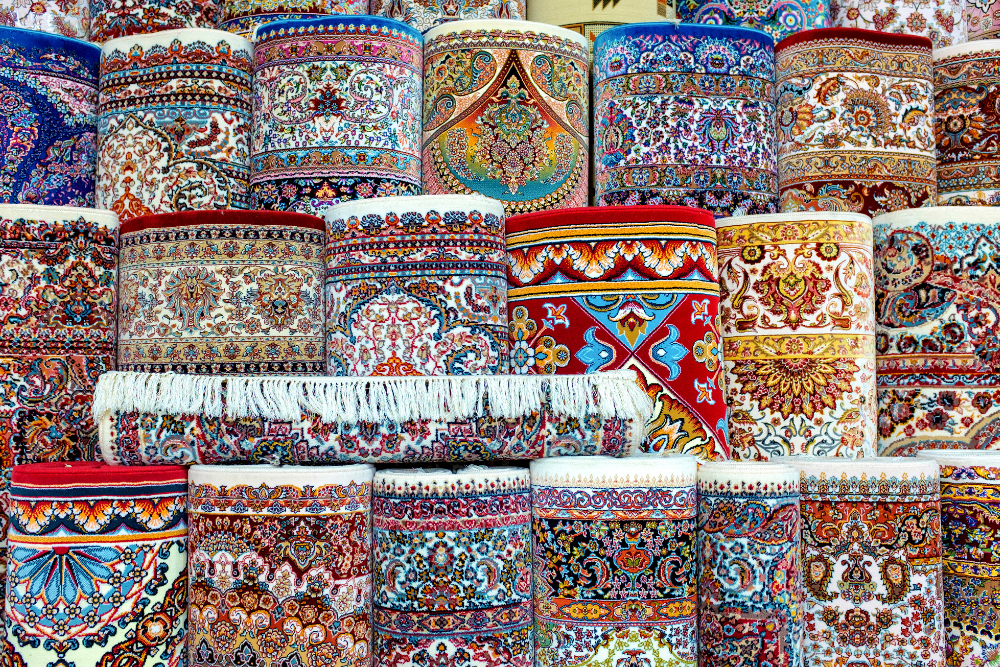

Azerbaijani carpets are renowned worldwide for their intricate designs, vibrant colors, and deep cultural significance. These handcrafted masterpieces are more than just decorative items—they represent a centuries-old tradition that embodies the country’s history, artistry, and craftsmanship. Let’s explore what makes Azerbaijani carpets so unique and why they continue to be cherished by collectors and enthusiasts alike.
A Rich Historical Heritage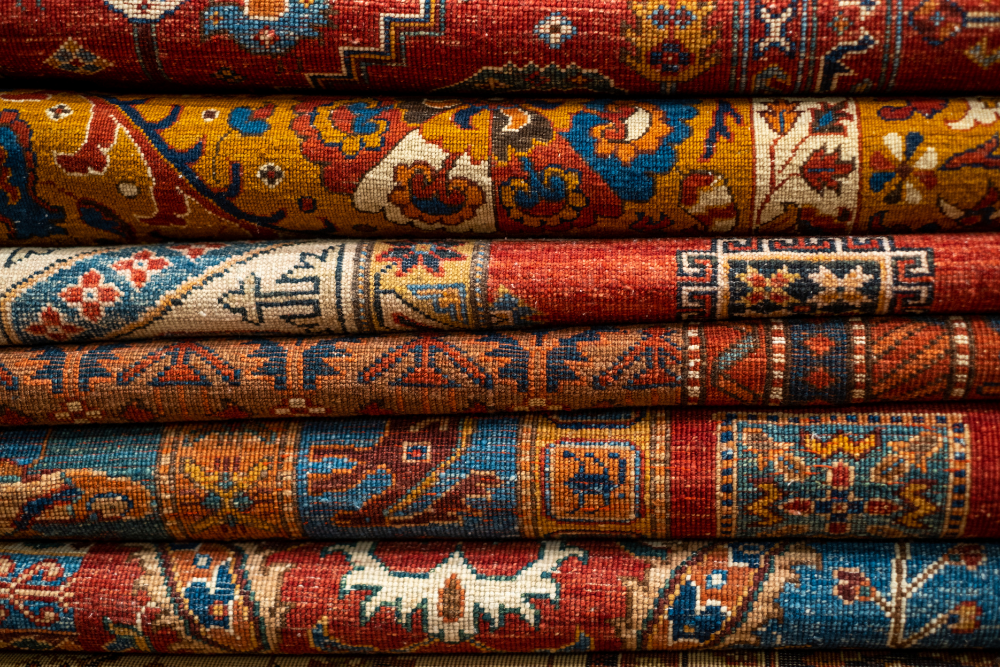
The tradition of carpet weaving in Azerbaijan dates back thousands of years, with archaeological evidence suggesting its presence as early as the Bronze Age. Carpet-making has been an integral part of Azerbaijani culture, with each region developing its distinct weaving techniques and motifs. The art of Azerbaijani carpet weaving has been recognized by UNESCO as an Intangible Cultural Heritage of Humanity, further solidifying its importance on the global stage.
Distinct Regional Styles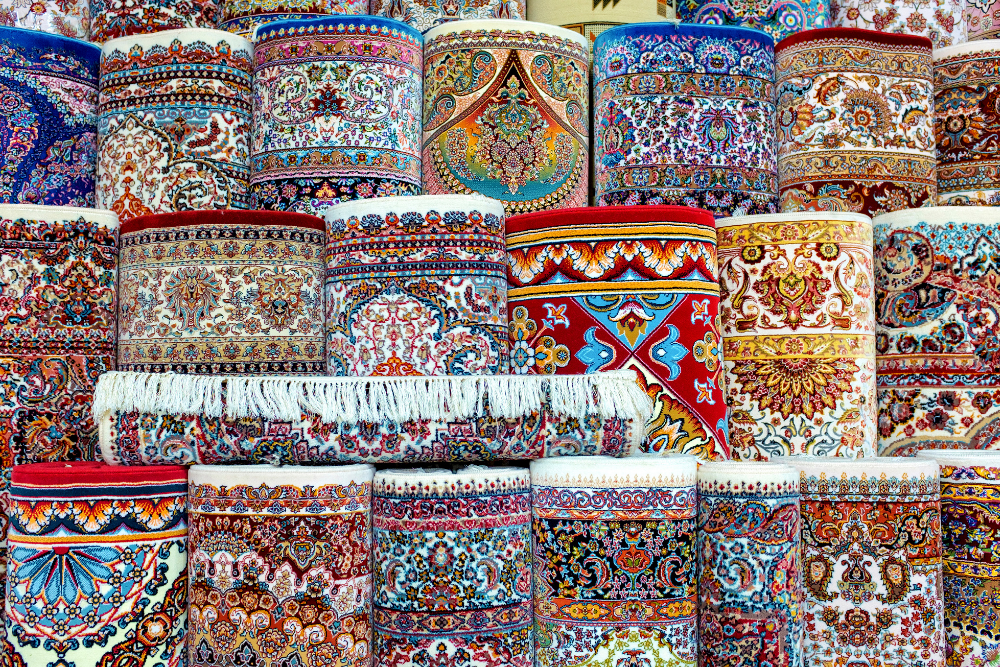
Azerbaijan is home to several carpet-weaving schools, each characterized by unique patterns, color palettes, and weaving techniques. Some of the most famous regional styles include:
- Baku Carpets – Known for their geometric patterns and bold colors, these carpets often feature intricate medallions and stylized floral motifs.
- Shirvan Carpets – These carpets are finely woven, with delicate, symmetrical designs and rich, warm hues.
- Guba Carpets – Distinguished by high knot density, Guba carpets showcase detailed animal and plant motifs, symbolizing nature and spirituality.
- Karabakh Carpets – Influenced by Persian art, these carpets are notable for their rich colors and complex floral patterns.
- Tabriz Carpets – Highly detailed and elegant, Tabriz carpets often depict elaborate scenes and ornamental designs, making them highly sought after by collectors.
Intricate Craftsmanship and Techniques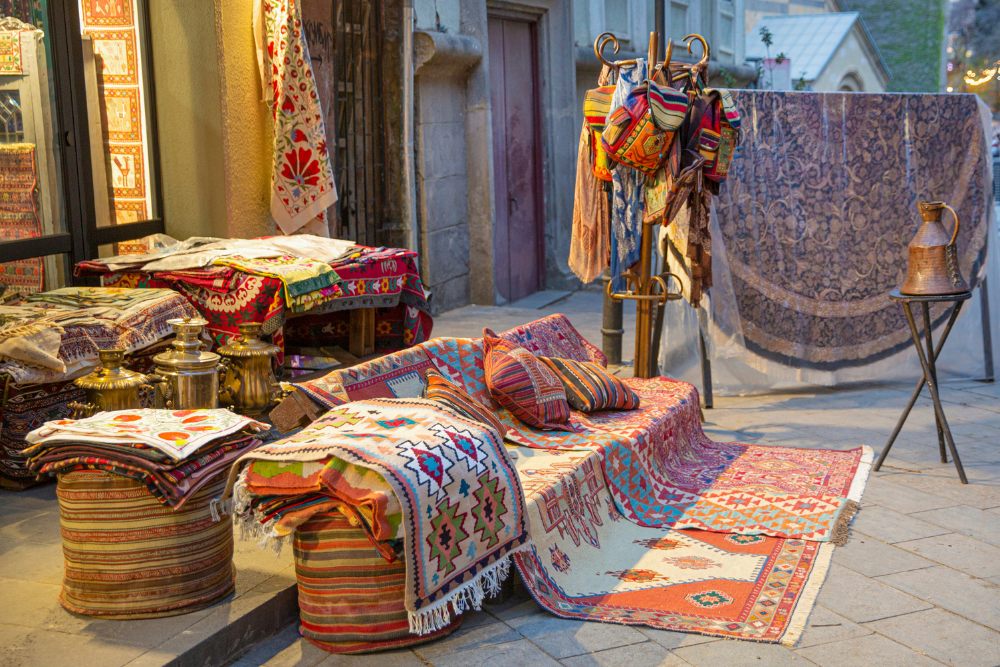
The process of making an Azerbaijani carpet is meticulous and time-consuming, often taking months or even years to complete. Traditional carpet weaving involves several key steps:
- Material Selection – High-quality wool, silk, and natural dyes are carefully chosen to ensure durability and vibrant colors.
- Hand-Knotting – Azerbaijani carpets are crafted using the traditional symmetrical knotting technique, which enhances their strength and longevity.
- Natural Dyeing Process – Artisans use organic dyes derived from plants, insects, and minerals, resulting in vivid and long-lasting hues.
- Weaving on a Loom – Each carpet is woven on a handloom, with skilled artisans meticulously tying thousands of knots to bring intricate patterns to life.
Symbolism and Cultural Significance
Azerbaijani carpets are rich in symbolism, with motifs often representing themes of protection, fertility, and prosperity. Some of the most common symbols include:
- Ram’s Horn – A symbol of strength and masculinity.
- Pomegranate – Representing fertility and abundance.
- Stars and Crosses – Signifying spirituality and cosmic harmony.
- Birds and Animals – Often used to depict freedom and nature.
Modern Relevance and Global Recognition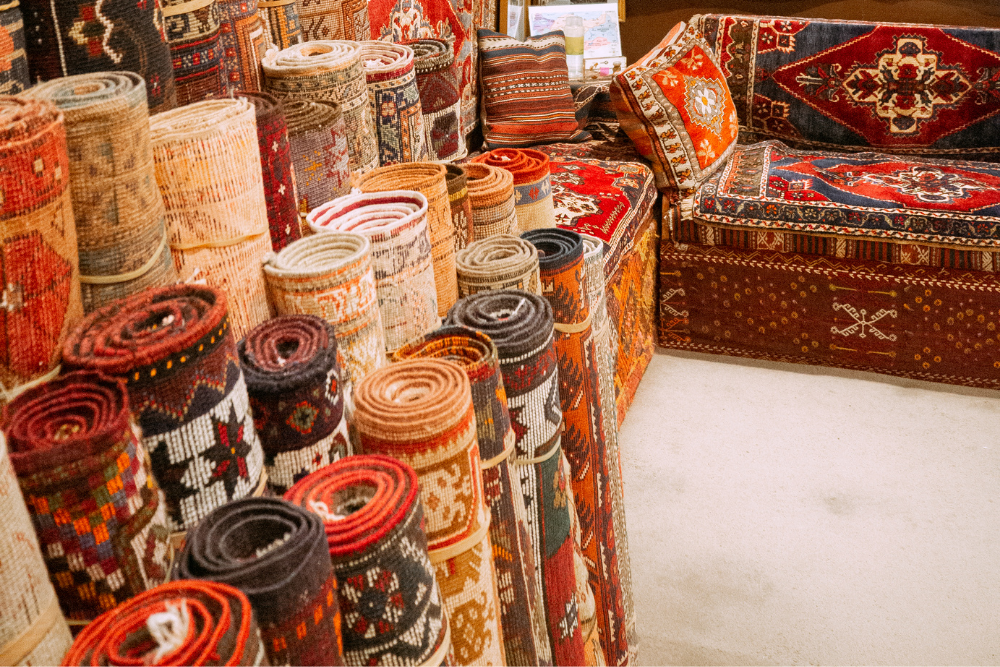
Despite their deep historical roots, Azerbaijani carpets continue to thrive in the modern era. The Azerbaijan Carpet Museum in Baku showcases an extensive collection of carpets, preserving and promoting this ancient craft. Additionally, contemporary designers incorporate traditional carpet patterns into modern home decor and fashion, ensuring the continued relevance of this cultural treasure.
Azerbaijani carpets are more than just woven fabric; they are a testament to centuries of artistry, cultural heritage, and meticulous craftsmanship. Whether displayed in museums or cherished in homes, these carpets remain an enduring symbol of Azerbaijan’s rich history and artistic excellence.