



Introduction
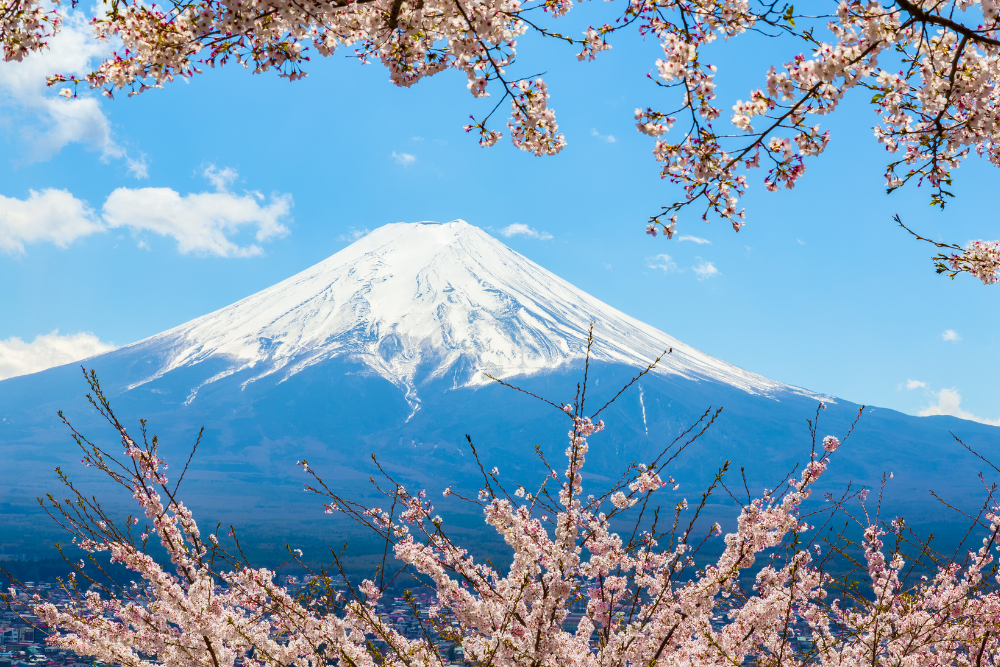
Mount Fuji, Japan’s most iconic and revered peak, stands majestically at 3,776 meters (12,389 feet) and is visible from several vantage points near Tokyo. Whether you’re seeking a classic lake reflection, a temple-framed silhouette, or a cityscape backdrop, there are countless ways to experience its breathtaking beauty.
For travelers based in Tokyo, there are several easily accessible spots offering stunning views of Mount Fuji, whether by train, car, or even on foot. Here’s a guide to the best places near Tokyo to see Mount Fuji, each offering a unique perspective on Japan’s beloved mountain.
1. Chureito Pagoda (Arakurayama Sengen Park, Fujiyoshida)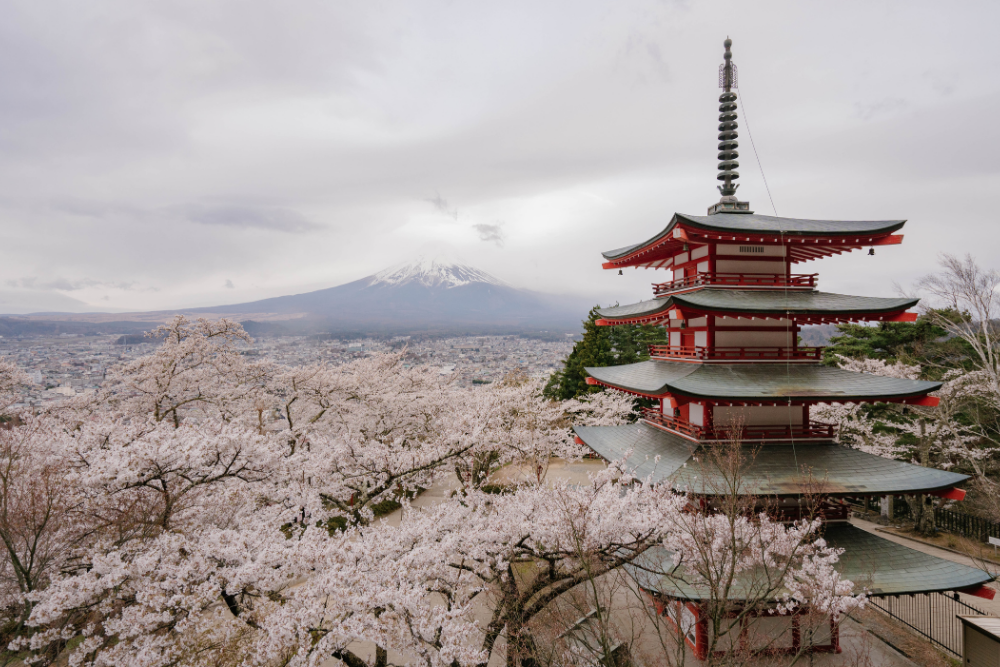
One of the most famous postcard images of Mount Fuji, the Chureito Pagoda in Arakurayama Sengen Park provides an unparalleled panoramic view. The five-story pagoda, framed by cherry blossoms in spring or vibrant red maple leaves in autumn, perfectly complements Mount Fuji in the distance.
- Best Time to Visit:
- Spring (April) for cherry blossoms.
- Autumn (November) for fall foliage.
- Early morning for clear skies.
- How to Get There:
- Take the Fujikyu Railway Line to Shimoyoshida Station (about 2 hours from Tokyo).
- Walk 20 minutes uphill to the pagoda.
2. Lake Kawaguchi (Kawaguchiko)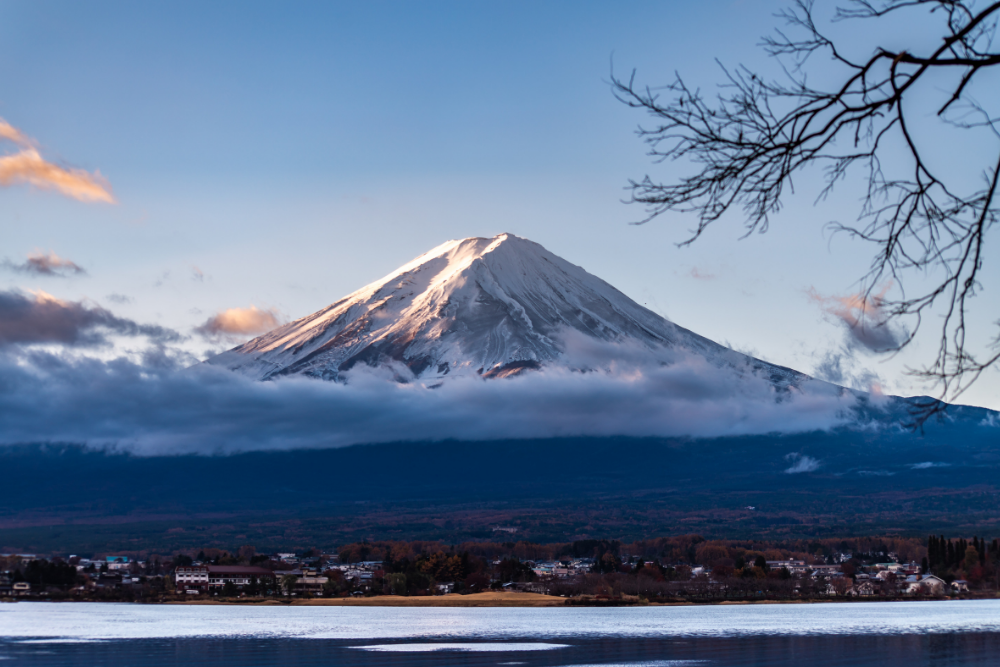
Lake Kawaguchi, part of the Fuji Five Lakes, offers one of the best and most accessible views of Mount Fuji. The lake’s calm waters create stunning reflections of the mountain, making it a favorite spot for photographers.
- Best Viewing Spots Around the Lake:
- Oishi Park: A lakeside garden known for seasonal flowers and Fuji views.
- Ubuyagasaki Peninsula: Offers one of the clearest mirror reflections of Mount Fuji.
- Nagahama Beach: Less crowded and great for serene sunrise views.
- How to Get There:
- Take the Fujikyu Railway from Shinjuku to Kawaguchiko Station (about 2 hours).
- Local buses and bike rentals are available to explore the lake.
3. Hakone (Owakudani & Lake Ashi)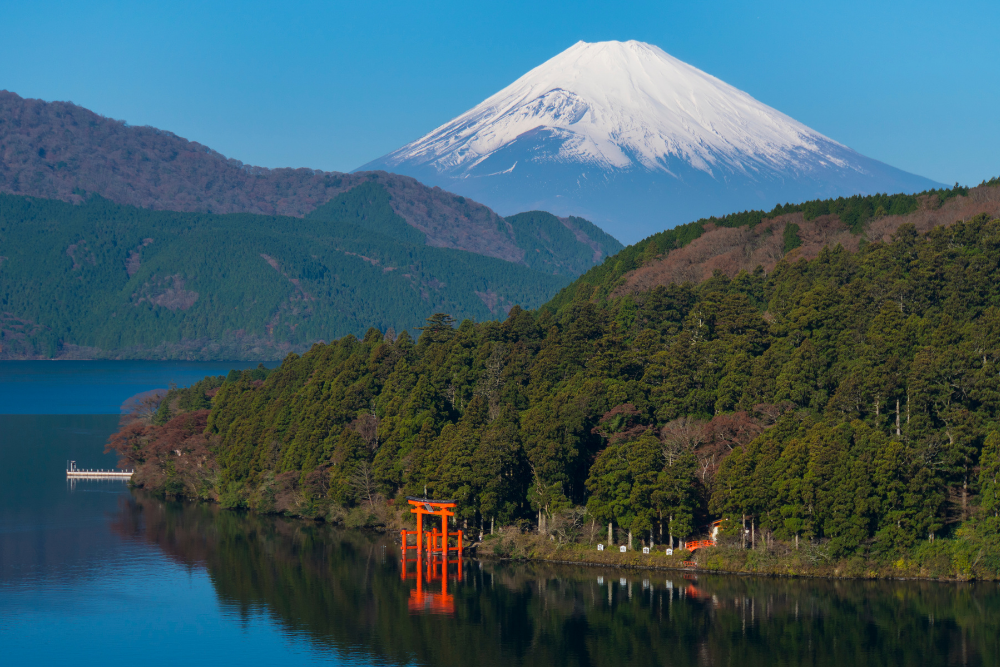
Hakone, a popular onsen (hot spring) resort town, offers breathtaking Mount Fuji views combined with steam vents, lakes, and traditional shrines.
- Best Viewing Spots:
- Lake Ashi (Ashinoko): Take a pirate ship cruise for a view of Mount Fuji across the lake.
- Hakone Ropeway: Offers aerial views of Mount Fuji and the volcanic landscape of Owakudani.
- Hakone Shrine: A picturesque torii gate on the water, with Fuji in the background.
- How to Get There:
- Take the Romancecar from Shinjuku to Hakone-Yumoto Station (about 1.5 hours).
- Use the Hakone Free Pass to explore the area via trains, boats, and cable cars.
4. Fuji-Q Highland (For Thrill Seekers)
For those who love adrenaline and stunning scenery, Fuji-Q Highland offers roller coasters with direct Mount Fuji views. The park’s location at the base of Fuji ensures dramatic close-up views throughout the day.
- Top Attractions:
- Fujiyama: One of the world’s tallest roller coasters with Fuji in the background.
- Takabisha: The world’s steepest drop roller coaster.
- Fuji Airways: A 4D simulator that lets you “fly” over Mount Fuji.
- How to Get There:
- Take the Fujikyu Railway to Fuji-Q Highland Station (2 hours from Tokyo).
5. Enoshima Island & Shonan Beaches (Coastal Views)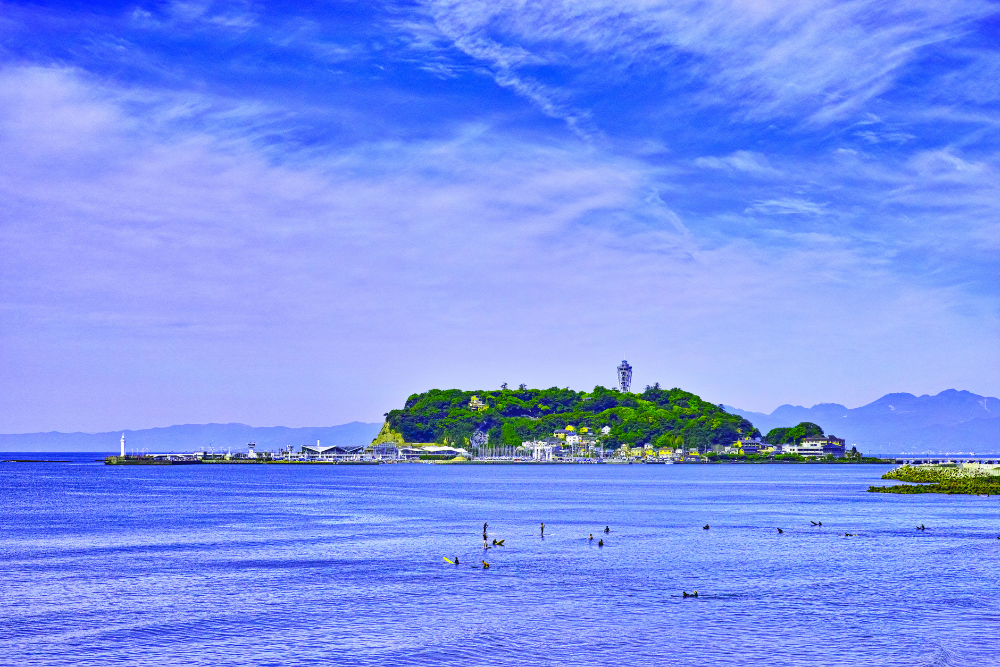
For a unique oceanfront perspective, head to Enoshima Island and Shonan Beaches, where Mount Fuji rises above the horizon over the sea. On clear winter days, the silhouette of Fuji is especially vivid at sunset.
- Best Viewing Spots:
- Katase Higashihama Beach: A sandy beach with Fuji in the background.
- Enoshima Observation Deck: Offers an elevated view of the coastline and Fuji.
- Inamuragasaki Park: A peaceful coastal viewpoint near Kamakura.
- How to Get There:
- Take the Odakyu Line from Shinjuku to Katase-Enoshima Station (about 1.5 hours).
- Enoshima is walkable from the station, with bridges leading to the island.
6. Shibuya Sky & Tokyo Metropolitan Government Building (Cityscape Views)
If you prefer to see Mount Fuji without leaving Tokyo, head to Shibuya Sky or the Tokyo Metropolitan Government Building, which offer panoramic cityscapes with Mount Fuji in the background.
- Best Observation Decks:
- Shibuya Sky: A rooftop observatory with clear views of Fuji on a sunny day.
- Tokyo Metropolitan Government Building: A free observation deck with Fuji views.
- Tokyo Tower & Roppongi Hills Mori Tower: Both offer great aerial views.
- Best Time to Visit:
- Winter months (December – February) when the air is clearer.
- Early morning or sunset for the best visibility.
7. Mount Takao (Takaosan) – A Short Hike with a Fuji View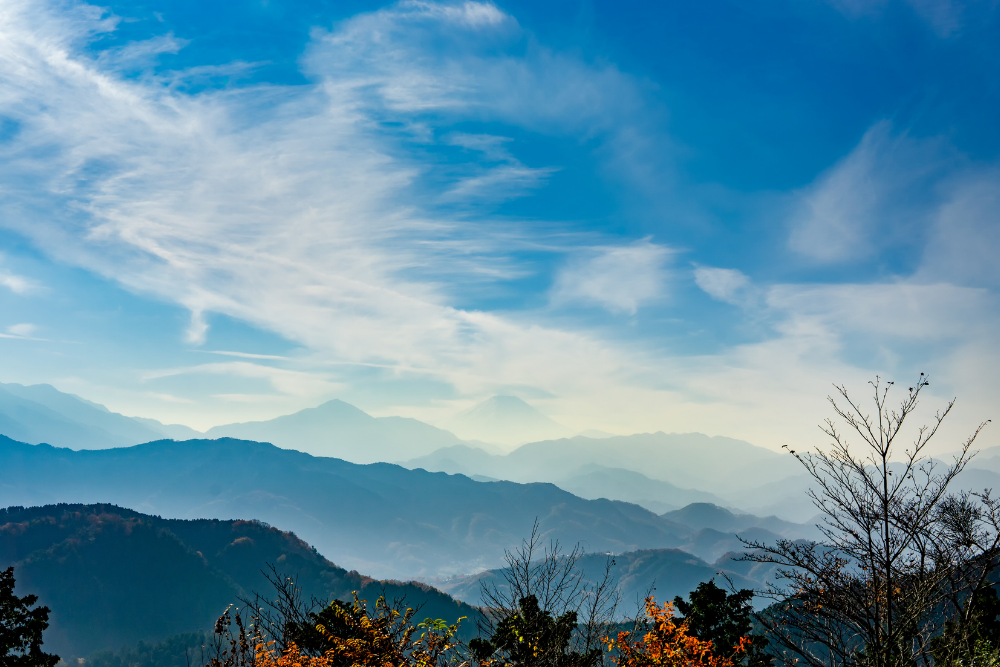
Just an hour from Tokyo, Mount Takao is a popular hiking destination with a spectacular Mount Fuji viewpoint from the summit.
- How to Get There:
- Take the Keio Line from Shinjuku to Takaosanguchi Station (50 minutes).
- Hike Trail 1 (90 minutes) or take the cable car halfway up.
- Best Time to Visit:
- Autumn (October – November) for red maple leaves.
- Winter (December – February) for the clearest views.
Conclusion
There are countless stunning viewpoints near Tokyo where you can admire Mount Fuji in all its grandeur. Whether you prefer a temple-framed panorama, a lakeside reflection, or a cityscape silhouette, each location offers a unique and unforgettable perspective of Japan’s most famous mountain.
For the classic Fuji experience, head to Chureito Pagoda or Lake Kawaguchi. For a relaxing onsen getaway, visit Hakone. If you’re short on time, Shibuya Sky or Mount Takao provide spectacular views without leaving Tokyo.
No matter where you choose to go, witnessing Mount Fuji’s majestic presence is a must for any visitor to Japan.