


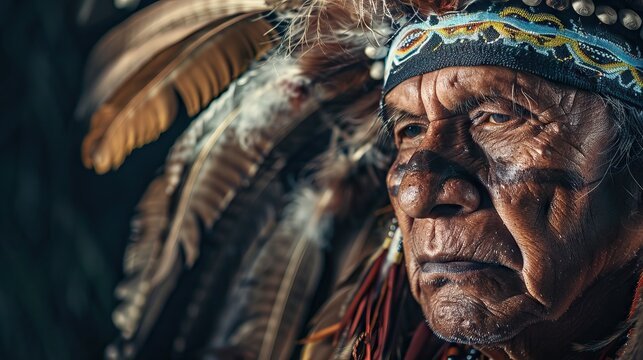

The history of the United States is inextricably linked to the rich and complex heritage of its Indigenous peoples, often referred to as “Red Indians.” These original inhabitants of the land have left an indelible mark on the nation’s culture, landscape, and identity. Today, their legacy continues to attract millions of tourists each year, making their stories and sites a vital part of American tourism.
Who Were the Red Indians?
The term “Red Indians” is a historical misnomer, a product of early European explorers who mistakenly associated the reddish hue of their skin with the people of India. The Indigenous peoples of North America are diverse, consisting of hundreds of distinct tribes and nations, each with its own unique language, customs, and traditions. They have inhabited the continent for thousands of years, developing sophisticated cultures, societies, and technologies.
The Significance to American Tourism
The Red Indians’ enduring legacy has made them a significant draw for tourists seeking to explore the nation’s history and culture. Here’s why:
- Historical Sites and Landmarks: Many of America’s most iconic historical sites and landmarks are associated with Indigenous peoples. From the ancient cliff dwellings of the Pueblo people in the Southwest to the monumental earthworks of the Hopewell culture in the Midwest, these sites offer a glimpse into the rich history and ingenuity of these early civilizations.
- Cultural Experiences: Visitors can immerse themselves in Native American culture by attending powwows, traditional dances, and cultural festivals. These events showcase the vibrant traditions, music, and artistry of Indigenous peoples, providing a unique and authentic experience.
- Natural Beauty and Outdoor Adventures: Many Indigenous tribes have deep connections to the land, and their ancestral territories often encompass stunning natural landscapes. Visitors can explore these areas through hiking, camping, and other outdoor activities, while learning about the cultural significance of these places.
- Native American Art and Crafts: The intricate and beautiful art and crafts of Indigenous peoples have captivated audiences for centuries. From exquisite beadwork and pottery to stunning basketry and textiles, these works of art reflect the creativity and skill of their creators.
- Understanding American History: To truly understand the history of the United States, it is essential to acknowledge the contributions and experiences of Indigenous peoples. By visiting historical sites, museums, and cultural centers, tourists can gain a deeper appreciation for the complex and often tragic history of these communities.
Responsible Tourism
As tourists visit Indigenous lands and cultural sites, it is important to approach these experiences with respect and sensitivity. Here are some tips for responsible tourism:
- Learn about Indigenous cultures: Educate yourself about the history, customs, and traditions of the Indigenous peoples you encounter.
- Respect cultural practices: Be mindful of cultural norms and avoid disruptive behavior.
- Support Indigenous businesses: Purchase authentic Native American art and crafts to support local economies.
- Minimise your environmental impact: Practice responsible outdoor recreation and minimize your waste.
- Engage in respectful dialogue: If you have the opportunity to interact with Indigenous people, approach them with respect and listen attentively.
By understanding and appreciating the rich heritage of the Red Indians, we can ensure that their legacy continues to inspire and enrich future generations.