


Norway’s Arctic waters, particularly in regions like the Lofoten Islands, Tromsø, and the Svalbard Archipelago, are some of the most pristine and awe-inspiring places in the world to experience wildlife in its natural habitat. With rugged coastlines, dramatic fjords, and an abundance of marine life, the Arctic waters offer unique opportunities for wildlife watching, whether you’re hoping to see whales, seabirds, seals, or even polar bears. Here’s your guide to experiencing the best wildlife watching in Norway’s Arctic waters.
1. Whale Watching in Tromsø
Tromsø, often called the “Gateway to the Arctic,” is one of the best places in the world to watch whales, especially from late autumn to early spring. During the winter months, the cold Arctic waters attract a variety of whale species, including orcas (killer whales) and humpback whales. The whales come to feed on the abundant herring, creating a spectacular opportunity for wildlife enthusiasts.
- Best Time to Go: The peak season for whale watching in Tromsø is from November to January, when the waters are filled with whales migrating to the area for feeding.
- Guided Tours: There are numerous whale-watching tours that depart from Tromsø. These tours often include boat excursions where guides provide insights into the whales’ behaviors and migration patterns. Some tours even offer smaller, more intimate boats to get closer to the action.
- Other Wildlife: While in Tromsø, you may also spot sea eagles, porpoises, and seals along the way. Keep your eyes peeled for reindeer in the surrounding Arctic landscapes.
Insider Tip: For a truly memorable experience, consider a whale-watching safari by RIB boat (rigid inflatable boat). These fast boats can take you closer to the action, and you’ll have a more immersive and thrilling adventure.
2. Arctic Birdwatching in Svalbard
The remote Svalbard Archipelago, located halfway between mainland Norway and the North Pole, is an incredible destination for birdwatching enthusiasts. From spring to early autumn, Svalbard becomes a haven for seabirds. This rugged and unspoiled region is home to unique Arctic species that nest on its cliffs and glaciers.
- Best Time to Go: The summer months from May to September are the best for birdwatching, as this is when seabirds such as guillemots, kittiwakes, puffins, and Arctic terns return to Svalbard to breed.
- Guided Tours: Boat tours are the most popular way to explore Svalbard’s birdlife. Local operators offer guided boat trips that take visitors to remote islands, where they can observe nesting colonies of seabirds up close. The bird cliffs at Alkefjellet are particularly renowned for their impressive puffin colonies.
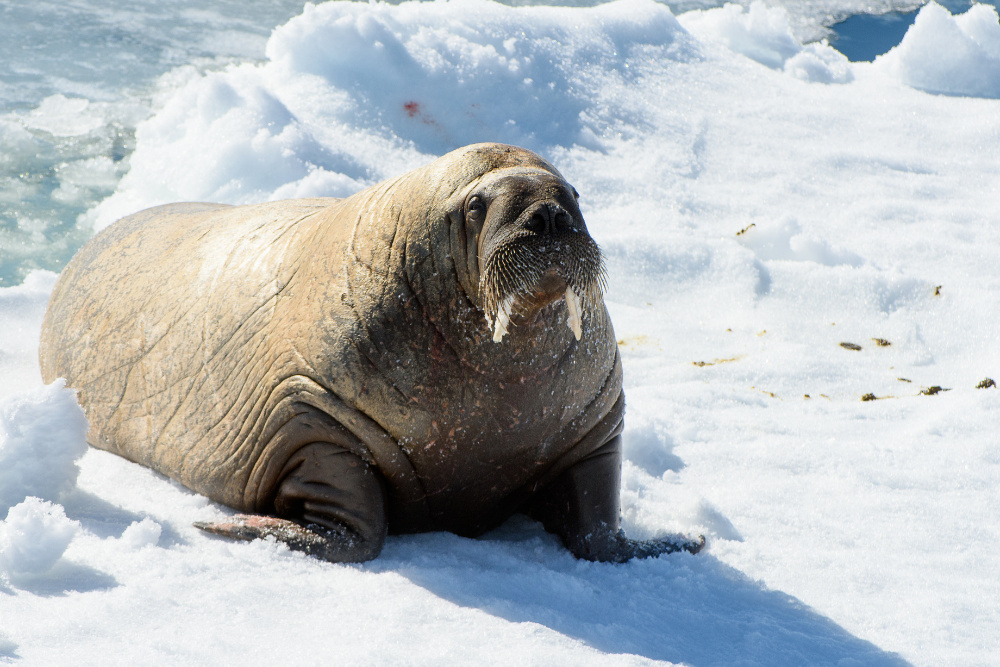
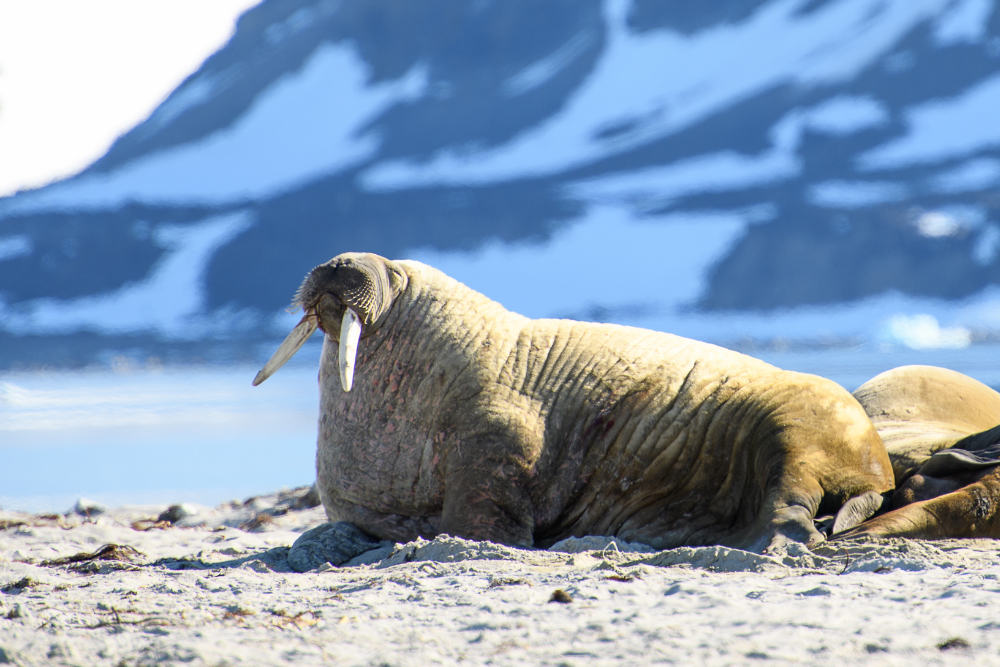
- Other Wildlife: While birdwatching, you may also spot walruses, reindeer, and even the elusive polar bears on ice floes or along the shoreline.
Insider Tip: Wear layered, waterproof clothing, as the weather in Svalbard can change rapidly, and you’ll want to stay dry while watching birds or exploring the wilderness.
3. Seals and Sea Lions in Lofoten Islands
The Lofoten Islands, renowned for their dramatic landscapes, are another excellent place to encounter wildlife in Norway’s Arctic waters. The region’s cold, nutrient-rich seas are home to several species of seals, including harbor seals, grey seals, and the rare ringed seal.
- Best Time to Go: Seals are present year-round in the Lofoten Islands, but the summer months (from June to August) are ideal for spotting them basking on rocks or in shallow waters.
- Guided Tours: Seal-watching tours are a popular activity, especially by kayak or boat. These tours often venture out to remote islands and skerries where seals haul out on rocks. Guides provide information on seal behaviors and habitats.
- Other Wildlife: The Lofoten Islands are also a haven for birdlife, especially seabirds like eagles, gannets, and puffins. You can often see sea otters swimming in the waters or playing along the coastline.
Insider Tip: For a more peaceful wildlife experience, consider a kayak tour. Paddling quietly through the waters allows you to get up close to the seals without disturbing them.
4. Polar Bear Watching in Svalbard

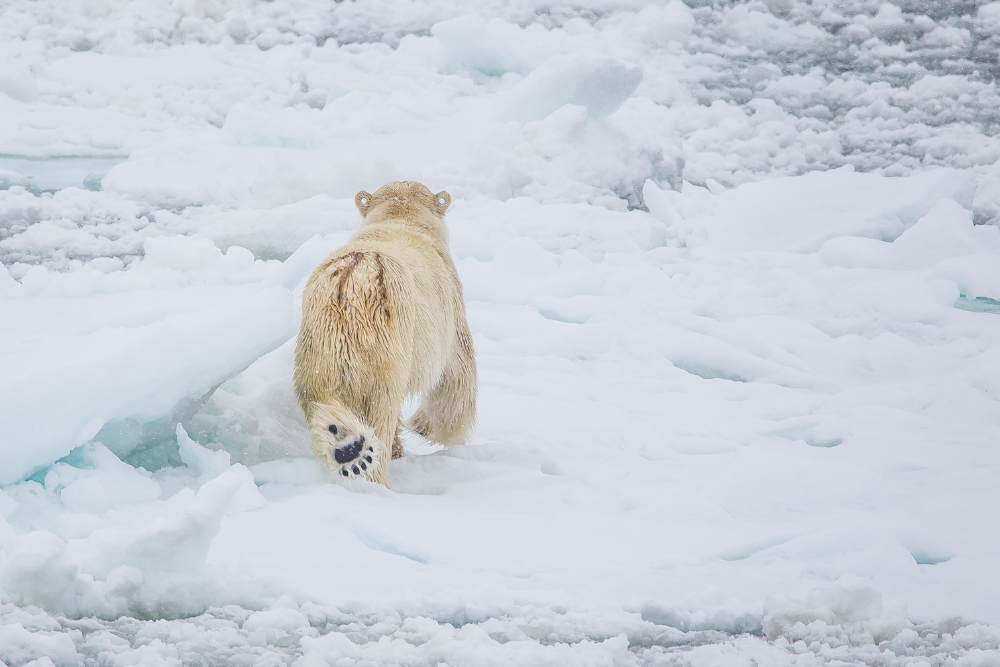
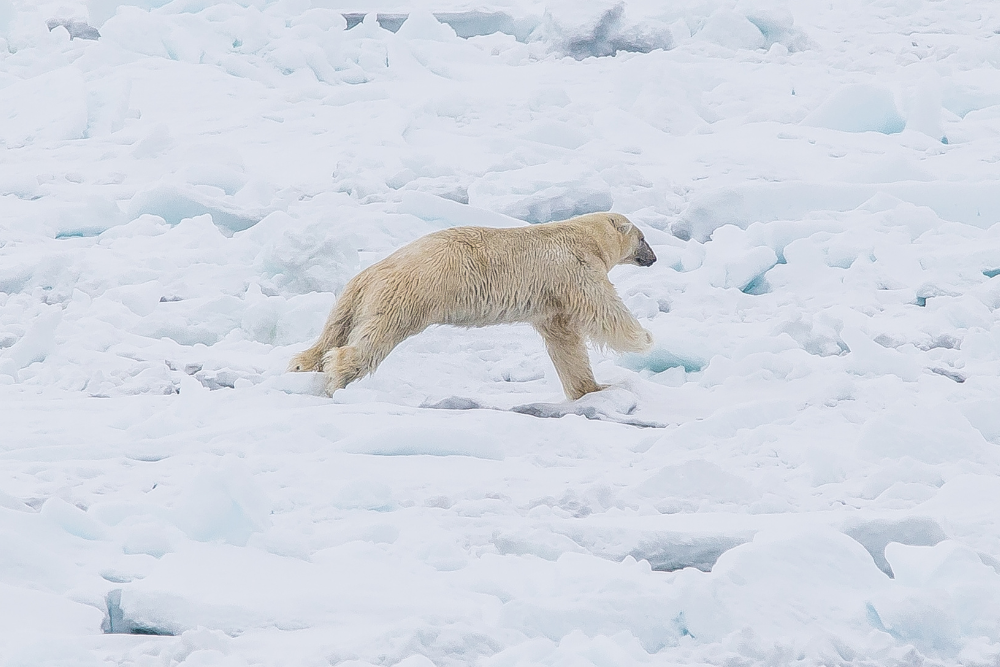
For an extraordinary Arctic experience, head to Svalbard, where polar bears roam the icy wilderness. These majestic creatures are the epitome of the Arctic and offer one of the most thrilling wildlife encounters on Earth. Svalbard is one of the best places in the world to see polar bears in the wild, and it’s home to more polar bears than people.
- Best Time to Go: Polar bears are most commonly sighted during spring and early summer (April to June), when they are out on the ice hunting for seals. The summer months offer a higher chance of spotting them on the islands, as they tend to come ashore during this time.
- Guided Tours: Polar bear safaris are a specialized activity in Svalbard. These tours often involve expedition-style cruises or snowmobile tours to remote areas, with expert guides providing insight into polar bear behavior and safety. It’s important to keep a safe distance from these powerful animals.
- Other Wildlife: Along with polar bears, you might see walruses, arctic foxes, and reindeer. The beluga whales and narwhals are also spotted around Svalbard.
Insider Tip: When going on a polar bear safari, always listen to your guide’s safety instructions. Polar bears are unpredictable, and it’s crucial to respect their space and environment.
5. Orca and Humpback Whale Watching in Andenes
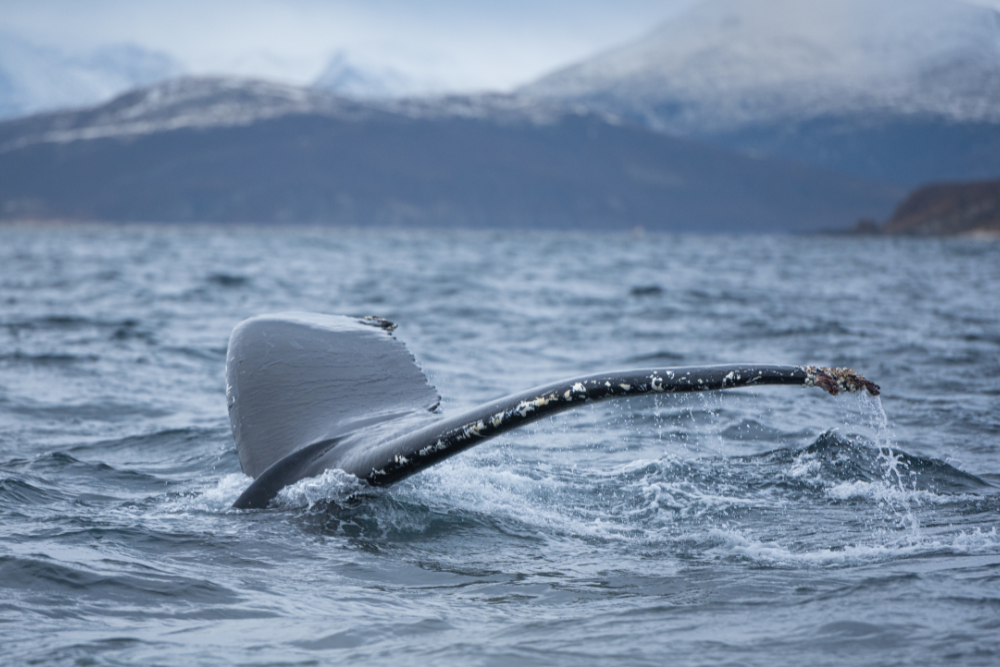
Andenes, located on the northern tip of the Vesterålen Islands, is an incredible destination for whale watching, particularly for orca and humpback whale sightings. The cold, nutrient-dense waters of the Norwegian Sea attract these magnificent whales, offering visitors the chance to witness some of the most spectacular marine mammal behavior.
- Best Time to Go: The prime time for orca and humpback whale watching in Andenes is between October and January, when the whales come to feed on the abundant herring.
- Guided Tours: Andenes is home to several tour operators that offer guided whale-watching excursions. Most of these tours involve boat trips that venture into the deep waters of the Vestfjord, where orcas and humpbacks are frequently spotted.
- Other Wildlife: In addition to whales, Andenes is an excellent place to spot sea eagles, porpoises, and seals. The surrounding coastal areas are also known for their abundant birdlife.
Insider Tip: Bring a high-quality camera with a zoom lens to capture the incredible moments when whales breach or tail-slap the surface. The wildlife in Andenes is truly extraordinary, and having the right gear can make a big difference in your experience.
Conclusion
Norway’s Arctic waters provide unparalleled opportunities for wildlife watching, with diverse species and stunning landscapes that make every encounter memorable. From whale watching in Tromsø to polar bear safaris in Svalbard, the region offers a range of adventures that allow you to witness the raw beauty of Arctic wildlife in its natural habitat. Whether you’re drawn to the majesty of whales, the elegance of seabirds, or the thrill of seeing polar bears in the wild, Norway’s Arctic waters are sure to provide an unforgettable experience.