


Introduction
Scotland’s rugged landscape, from its craggy coastlines to remote islands and rolling hills, is not only a haven for nature lovers but also a sanctuary for a vast array of wildlife. Whether you’re trekking through the remote Scottish Highlands or strolling along its pristine beaches, the country offers some of the most remarkable wildlife-watching opportunities in Europe. From elusive mountain hares to majestic golden eagles, and from colonies of puffins to playful seals, Scotland’s diverse ecosystems are teeming with life.
In this blog, we’ll explore the best wildlife watching experiences in Scotland, focusing on the iconic species and the best spots to catch a glimpse of these fascinating animals. If you’re an avid wildlife enthusiast or simply looking to connect with nature in one of the most breathtaking places on Earth, Scotland should be at the top of your list.
Puffins: Scotland’s Charming Seabirds
The Puffin’s Summer Home
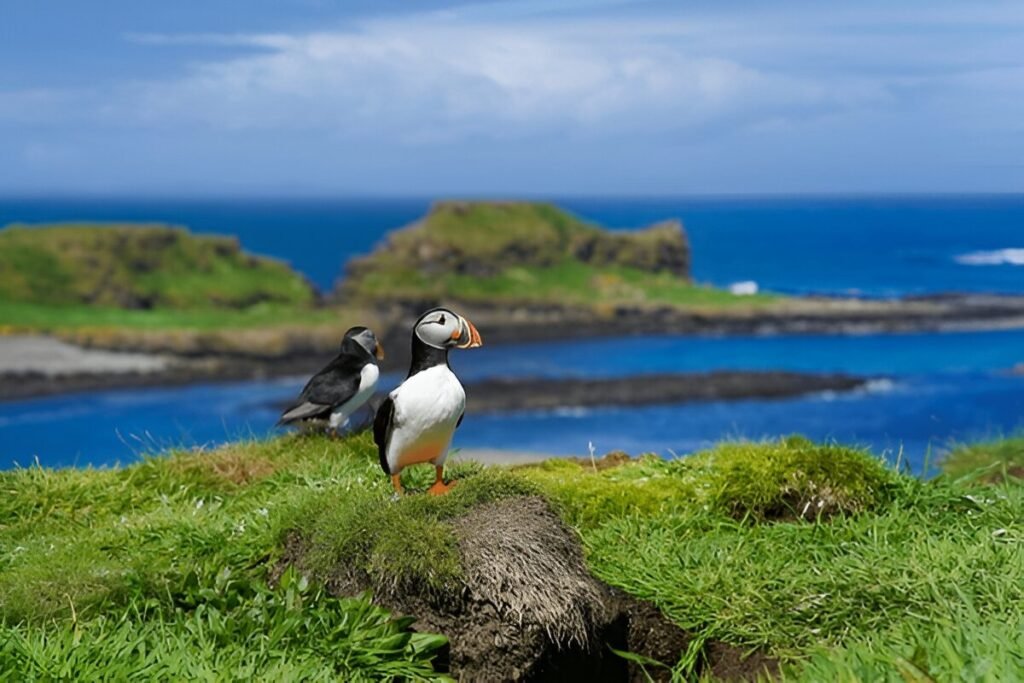
Among the most beloved wildlife species in Scotland are the puffins, those adorable seabirds with their colorful beaks and charming personalities. Puffins are easily recognizable thanks to their striking orange and black markings, making them a favorite among birdwatchers and photographers alike.
The best time to spot puffins in Scotland is during their breeding season, which runs from April to August. During this time, puffins gather in large colonies to nest on cliff faces and rocky islands. Their antics—diving gracefully into the sea or waddling on land—make them a joy to observe.
Best Locations to See Puffins
Scotland’s coastal regions are home to several puffin colonies, especially on its remote islands. Some of the top places to see puffins include:
- Staffa Island: Located off the west coast of Scotland, Staffa is famous for its dramatic basalt columns and puffin colonies. The island is home to one of the largest puffin populations in Scotland, and visitors can enjoy the stunning scenery and watch the puffins in their natural habitat.
- Isle of May: A protected nature reserve, the Isle of May, located off the coast of Fife, is one of Scotland’s best spots for puffin watching. The island is home to thousands of puffins, and visitors can take boat tours to get up close to these charming birds.
- Fair Isle: Situated between the Shetland and Orkney Islands, Fair Isle is renowned for its birdlife, including puffins. The island offers spectacular views and opportunities for birdwatching, particularly in summer when puffins are nesting.
Puffin watching on these islands is an unforgettable experience, and with a little patience, you can observe the birds’ fascinating behavior as they dive for fish or soar across the waves.
Seals: Scotland’s Coastal Pioneers
The Playful Seal Populations
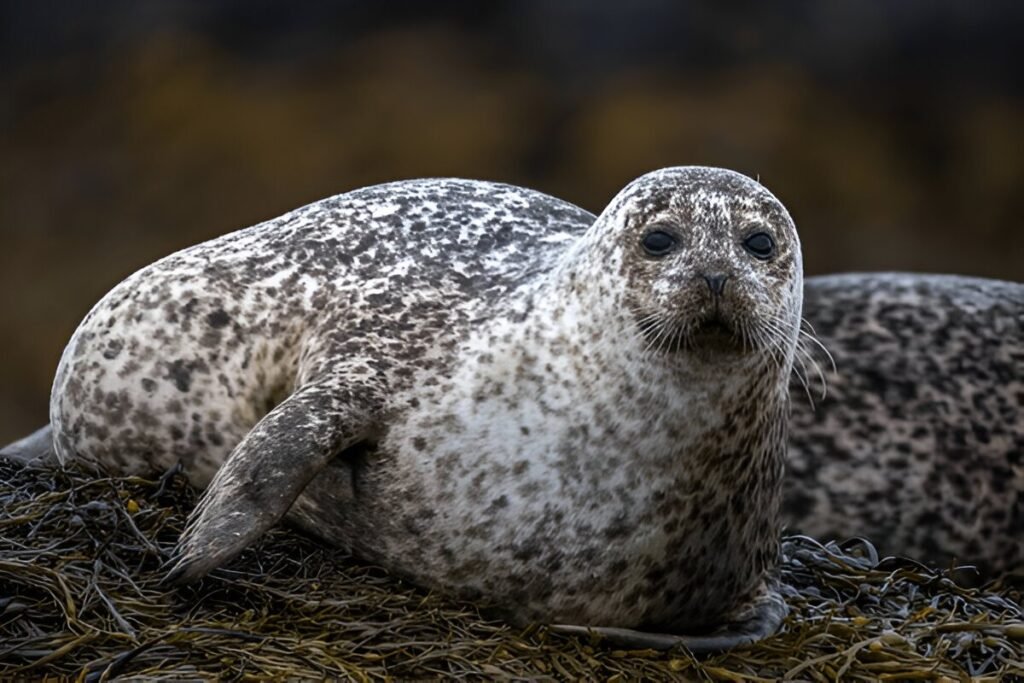
Seals are another highlight of Scotland’s coastal wildlife, and the country is home to both harbor seals and grey seals. Seals can be spotted throughout Scotland’s coastline, often basking on rocks or swimming near the shore. They are inquisitive and playful creatures, frequently popping their heads out of the water to observe humans or boats passing by.
Scotland’s seals are an essential part of the ecosystem, and they can be seen year-round, although the best time for spotting them is during the warmer months, especially in spring and summer when the seals are more active.
Where to Spot Seals in Scotland
Scotland boasts a number of fantastic locations to see seals, including:
- The Isle of Skye: The Isle of Skye is one of Scotland’s top destinations for wildlife watching, and its rugged coastline is home to large populations of grey and harbor seals. You can spot seals in many areas around Skye, especially in places like Loch Snizort and Loch Dunvegan.
- The Orkney Islands: The Orkney Islands, located off the northern coast of Scotland, are known for their rich wildlife, including thriving seal populations. Scapa Flow, a large natural harbor in Orkney, is a great place to see seals lounging on rocks or swimming in the water.
- Moray Firth: Situated on the northeast coast, the Moray Firth is home to the largest population of bottlenose dolphins in the UK, but it’s also a great spot to see seals. The Chanonry Point is one of the best places for seal watching in this area, where you can often see seals sunning themselves on sandbars at low tide.
Seals are often best observed from a boat, as you can get up close to these fascinating creatures without disturbing them. However, they are also frequently spotted from the shore, especially around tidal pools and rocky outcrops.
Golden Eagles: Scotland’s Majestic Birds of Prey
The Symbol of the Highlands
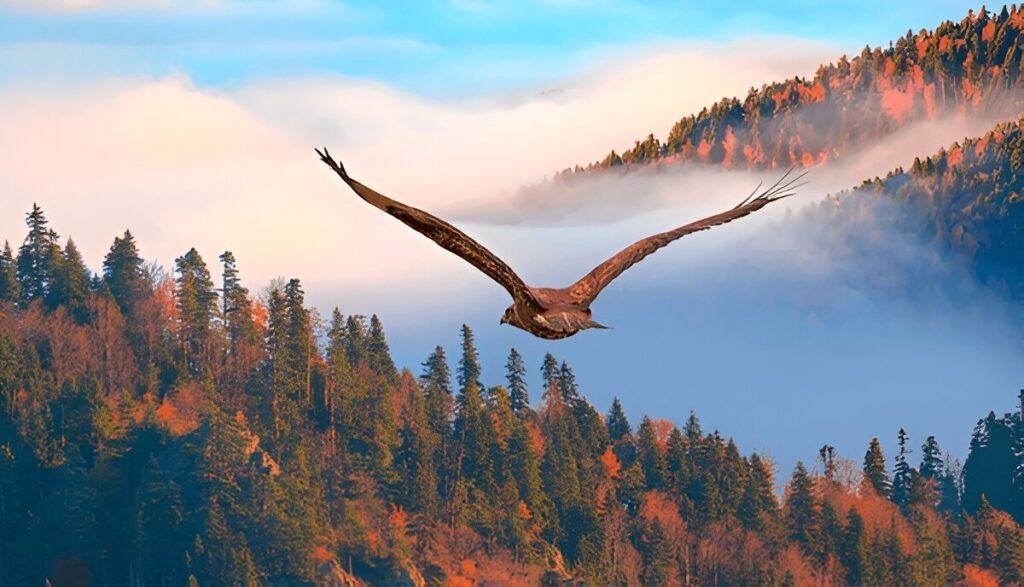
The golden eagle is one of the most majestic birds of prey in the world, and it has become a symbol of the Scottish Highlands. With a wingspan that can reach up to 7 feet and its powerful, soaring flight, the golden eagle is an awe-inspiring sight. These birds typically inhabit remote, rugged landscapes, where they nest in high cliffs and hunt for prey in the open moorlands.
Golden eagles primarily hunt for smaller mammals, such as rabbits and hares, but they can also prey on birds. Their nesting sites, often hidden deep within the mountains, make spotting these magnificent birds a challenge. However, with a little perseverance and the right knowledge, you can have the chance to witness these incredible creatures in action.
Best Locations to Spot Golden Eagles
Golden eagles are mainly found in Scotland’s more remote regions, where the landscape suits their hunting and nesting habits. Some of the best areas to spot golden eagles include:
- The Cairngorms National Park: The Cairngorms, Scotland’s largest national park, is one of the best places to see golden eagles in the wild. The rugged mountains and vast open spaces provide an ideal habitat for these majestic birds.
- The Isle of Skye: In addition to seals and puffins, the Isle of Skye is also known for its golden eagle population. The island’s dramatic cliffs and mountainous terrain make it an ideal location for these powerful birds to thrive.
- The Scottish Highlands: Many remote regions in the Scottish Highlands, such as Glen Etive and Glen Coe, are perfect for spotting golden eagles. The rugged, sparsely populated landscape provides a safe haven for these incredible birds, and visitors who are willing to explore the area’s remote parts are often rewarded with sightings of golden eagles.
Golden eagle sightings are rare but rewarding. They can often be seen soaring high above the valleys or perched on cliff ledges, surveying their territory.
Other Notable Wildlife in Scotland
While puffins, seals, and golden eagles are some of the most iconic species, Scotland is also home to many other fascinating animals. Some of the most notable include:
- Red Deer: Scotland’s red deer are the largest wild mammals in the country, and they can often be seen roaming the Scottish Highlands, particularly in places like Cairngorms and Rannoch Moor.
- Otters: Otters are found in rivers, lochs, and coastal areas throughout Scotland. They are elusive but can be spotted in places like Loch Lomond and the Isle of Mull.
- Highland Cattle: Known for their distinctive long hair and horns, Highland cattle are one of Scotland’s most iconic farm animals. They can often be seen grazing in fields across the Highlands.
Conclusion
Scotland is a wildlife watcher’s paradise. With its rich natural landscapes, from rugged coastlines to expansive mountains, the country offers some of the best opportunities to observe animals in their natural habitats. Whether you’re captivated by the colorful puffins of the Scottish islands, the playful seals along the coast, or the soaring golden eagles of the Highlands, Scotland provides unforgettable experiences for wildlife enthusiasts.
The variety of species found in Scotland is a testament to the country’s commitment to preserving its wild places and the creatures that call them home. So, if you’re planning a trip to Scotland, be sure to pack your binoculars and explore its wildlife-rich regions. You’ll not only discover Scotland’s beauty but also its incredible biodiversity.