


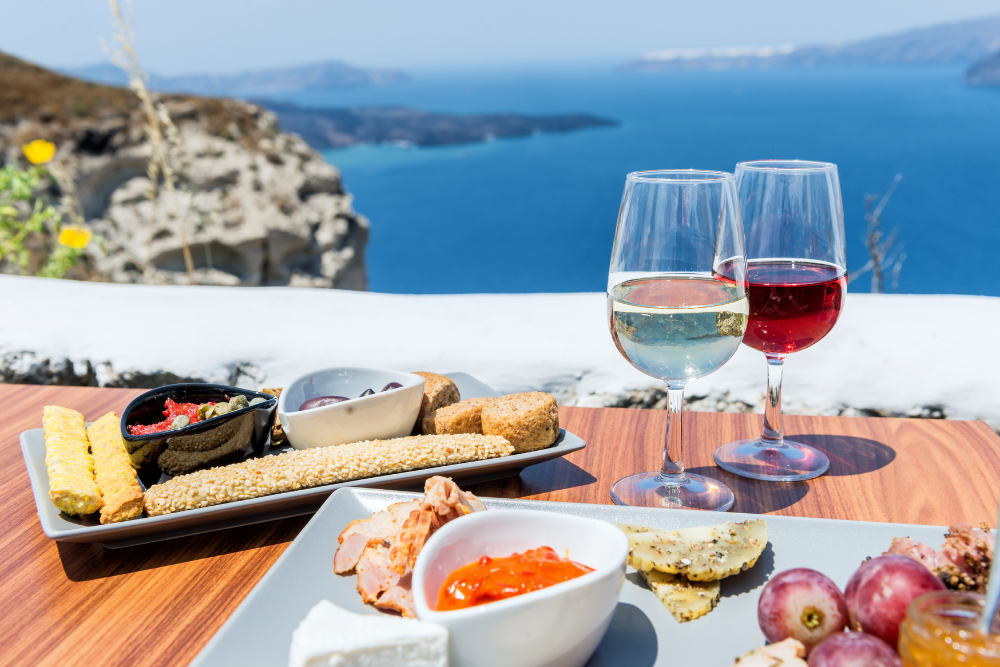

Santorini is not only famous for its stunning views, dramatic cliffs, and spectacular sunsets, but it’s also a haven for wine lovers. The island is one of the oldest wine-producing regions in the world, with a winemaking history that dates back over 3,000 years. The volcanic soil, unique microclimate, and traditional techniques make Santorini’s wines distinctive, offering a true taste of the island’s history and terroir. Whether you’re a seasoned oenophile or a casual wine enthusiast, a wine-tasting tour in Santorini is an unforgettable experience. Here’s everything you need to know about wine tasting in Santorini and other Greek wine regions to explore.
1. The History of Wine in Santorini
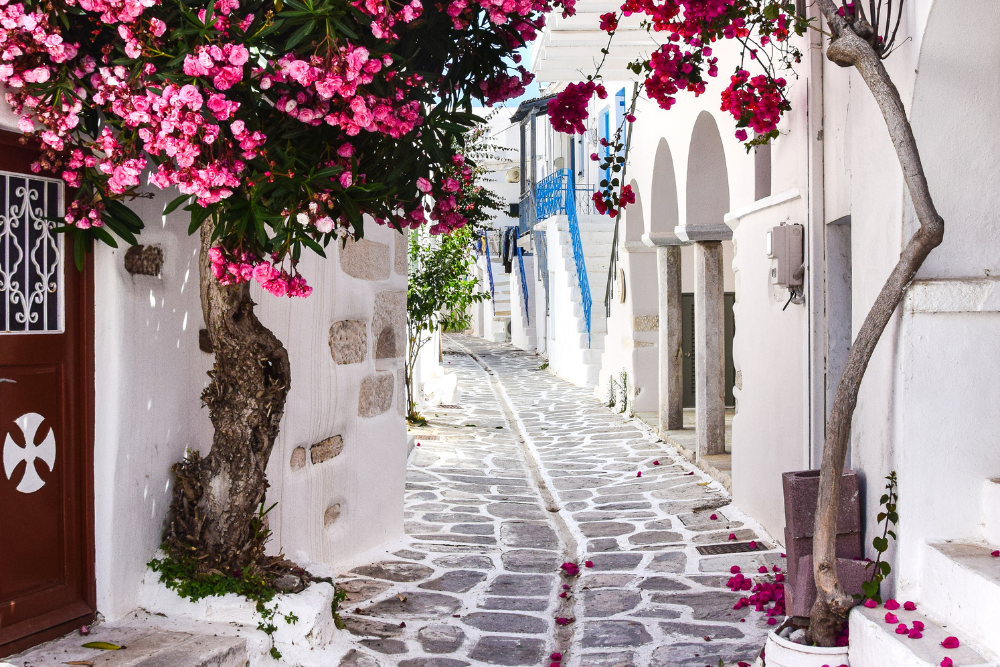
Wine production on Santorini dates back to the ancient Greeks. The island’s volcanic soil, which is rich in minerals, combined with the dry Mediterranean climate, creates the perfect conditions for growing grapes. Santorini’s unique winemaking tradition is built on the Assyrtiko grape, the island’s flagship variety, which thrives in the volcanic soil and produces wines with high acidity and a distinct minerality.
Over the centuries, the island’s winemakers have developed a unique growing technique known as the basket vine method. This technique involves training the vines to grow in low, circular baskets to protect them from the strong winds and intense sun. This distinctive style not only preserves the grapes but also allows for optimal ripening in the harsh conditions of the island.
2. Key Wine Regions in Greece
While Santorini is the most famous wine region in Greece, the country is home to many other wine-producing areas with distinct varieties and characteristics. Here are some of the top wine regions to explore in Greece:
Santorini: The Home of Assyrtiko
As mentioned, Santorini is renowned for its Assyrtiko wines, which are dry, crisp, and full of minerality. This white wine has become synonymous with the island and is the most widely planted grape variety on Santorini. The island also produces other wines, such as Athiri and Aidani, which are used in blends or as varietals. Santorini is also famous for its dessert wines, particularly Vinsanto, a rich, sweet wine made from sun-dried grapes.
Peloponnese: A Diverse Wine Region
The Peloponnese peninsula, located in southern Greece, is a large and diverse wine region that offers a range of wine styles. Key areas within Peloponnese include Nemea, famous for its bold Agiorgitiko red wines, and Mantinia, known for its aromatic Moschofilero white wines. The region’s climate varies, so you can find both red and white wines with a variety of profiles.
Macedonia: Northern Greece’s Wine Powerhouse
In northern Greece, Macedonia is a rising star in the Greek wine scene. The region boasts several sub-regions, including Naoussa, famous for its Xinomavro red wines, which are full-bodied and complex, and Amyndeon, which produces exceptional Assyrtiko from the mainland. Macedonia is also known for Malagouzia, a white grape that produces refreshing, aromatic wines.
Crete: A Diverse Island Wine Region
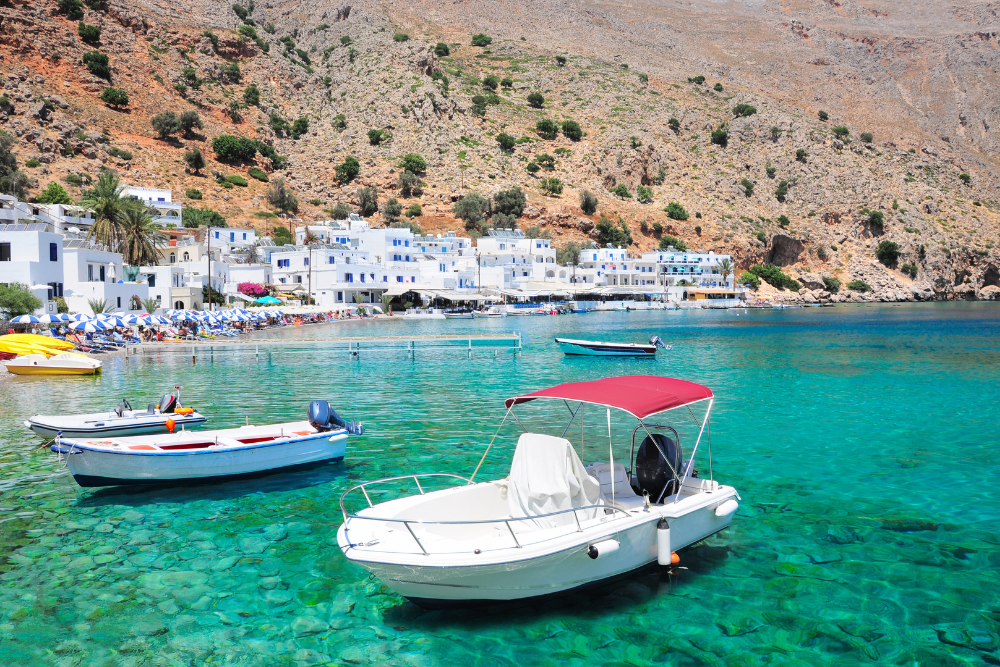
The island of Crete is home to a long history of winemaking and diverse terroirs. The island produces a range of wines, from reds like Kotsifali and Mandilaria to whites such as Vidiano and Vilana. Dafnes, located in the Heraklion region, is known for its bold reds, while the Lasithi Plateau is famous for aromatic whites.
Naxos: An Island with Growing Wine Fame
Naxos, a smaller island in the Cyclades, has been producing wine for centuries. The island is famous for its native grape variety, Mavrotragano, which produces a full-bodied red wine. The island also has a growing reputation for Kitron, a citrusy liqueur made from the citron fruit, a unique product that pairs well with local wines.
3. Wine Tasting in Santorini: What to Expect

Santorini offers a variety of wine-tasting experiences that cater to both novice and experienced wine lovers. Here are the best ways to explore the island’s wines:
Winery Tours and Tastings
Many of Santorini’s top wineries offer guided tours where you can learn about the island’s unique winemaking history, the traditional methods used to produce the wines, and the characteristics of the local grape varieties. You’ll be able to sample a range of wines, including the flagship Assyrtiko, and learn how the volcanic soil influences the flavor profiles of the wines.
Some of the top wineries on the island include:
- Santo Wines: Located on the caldera with breathtaking views, Santo Wines offers a wide range of tastings and tours, with wines made from Assyrtiko, Athiri, and other local varieties.
- Gaia Wines: Known for its modern approach to winemaking, Gaia Wines offers a unique tasting experience with a focus on Assyrtiko and other varieties that thrive in the volcanic soil.
- Koutsoyannopoulos Winery: One of the oldest wineries on the island, Koutsoyannopoulos offers an informative tour of its traditional wine caves, followed by a wine tasting.
Wine and Food Pairing
Santorini’s wine-tasting tours often include food pairings, allowing you to taste the island’s wines alongside local delicacies. Traditional Greek appetizers like fava (yellow split pea puree), tomatokeftedes (tomato fritters), and local cheeses such as mizithra are perfect accompaniments to the island’s crisp white wines. Pairing wine with food gives you a true sense of how the island’s flavors complement one another.
Vinsanto: Santorini’s Sweet Delight
One of the standout wines in Santorini is Vinsanto, a dessert wine made from sun-dried Assyrtiko, Athiri, and Aidani grapes. The wine has a rich, amber color and a unique sweet flavor with notes of dried fruit, honey, and caramel. Visiting a winery in Santorini would be incomplete without tasting this iconic wine. Some wineries even offer Vinsanto tastings paired with chocolate, making for a truly indulgent experience.
4. Best Time to Visit for Wine Tasting
The best time to visit Santorini for wine tasting is during the shoulder seasons, typically in spring (April to June) or autumn (September to November). The weather is mild, the crowds are fewer, and the harvest season for grapes in Greece generally falls in late summer, which means you might get a chance to witness the grape-picking process.
The summer months (July and August) can be quite hot, so if you prefer a more relaxed experience, it’s better to avoid peak tourist season. Additionally, some wineries may offer limited services or more crowded tours during this time.
5. Wine Festivals in Greece

If you’re a wine enthusiast looking to experience more of Greece’s wine culture, consider attending one of the country’s many wine festivals. The Santorini Wine Festival, held in late summer, celebrates the island’s winemaking heritage with tastings, live music, and cultural performances. The Athens Wine Week, held annually in the capital, is also a great event to explore Greek wines from various regions.
Conclusion
Santorini is a must-visit destination for wine lovers, offering a unique blend of ancient traditions, breathtaking landscapes, and world-class wines. Whether you’re savoring a glass of Assyrtiko on a winery tour, enjoying a food and wine pairing, or experiencing the magic of Vinsanto, Santorini’s wine culture will leave you with lasting memories. Beyond Santorini, Greece’s diverse wine regions, from the Peloponnese to Macedonia and Crete, also provide endless opportunities for wine exploration. Embark on a wine-tasting journey in Greece and discover the rich flavors of the country’s heritage, making it an unforgettable part of your travel experience.